Healthcare Stock Selection Strategies
Healthcare Sector Overview
What is the Healthcare Sector?
The healthcare sector is a massive and complex part of the global economy. It includes all businesses and services that provide medical care, create medical equipment, develop drugs, or facilitate the delivery of health services to patients. Think of it as the entire ecosystem dedicated to preventing, diagnosing, and treating illness and injury.
Unlike many other industries, healthcare isn't a luxury—it's a necessity. This creates a unique economic situation. When you're sick, you'll likely seek treatment regardless of the cost. This is known as inelastic demand. A 10% price increase in movie tickets might make you stay home, but a 10% increase in the cost of a life-saving surgery won't change your decision to have it.
Inelastic demand means that the need for a product or service doesn't change significantly with price fluctuations. People need healthcare whether the economy is booming or in a recession.
The Four Pillars of Healthcare
The healthcare sector can be broken down into four main subsectors. While they are distinct, they often work together to deliver patient care.
| Subsector | Focus | Examples |
|---|---|---|
| Pharmaceuticals | Developing and producing chemical-based drugs. | Pain relievers, antibiotics, cholesterol medication. |
| Biotechnology | Using living organisms to create drugs and therapies. | Vaccines, gene therapies, monoclonal antibodies. |
| Medical Devices | Manufacturing equipment for diagnosis and treatment. | MRI machines, pacemakers, surgical instruments. |
| Healthcare Services | Directly providing care and support to patients. | Hospitals, clinics, nursing homes, health insurance. |
Pharmaceutical companies create the medicines we're most familiar with, often through chemical synthesis. Biotechnology, on the other hand, is a more cutting-edge field. It harnesses biology to create highly targeted treatments, often for complex diseases like cancer or genetic disorders. While pharma and biotech both produce treatments, their methods are quite different.
Medical devices are the tools of the trade. From a simple tongue depressor to a sophisticated robotic surgery system, these are the physical items doctors and nurses use every day. Finally, healthcare services are where everything comes together. This subsector includes the hospitals, clinics, and professionals who deliver care directly to people. It's the largest part of the healthcare ecosystem by far.
An Economic Powerhouse
The healthcare sector isn't just vital for our well-being; it's a huge driver of the economy. In many developed countries, healthcare spending accounts for a significant portion of the Gross Domestic Product (GDP)—the total value of all goods and services produced. In the United States, for example, it represents nearly one-fifth of the entire economy.
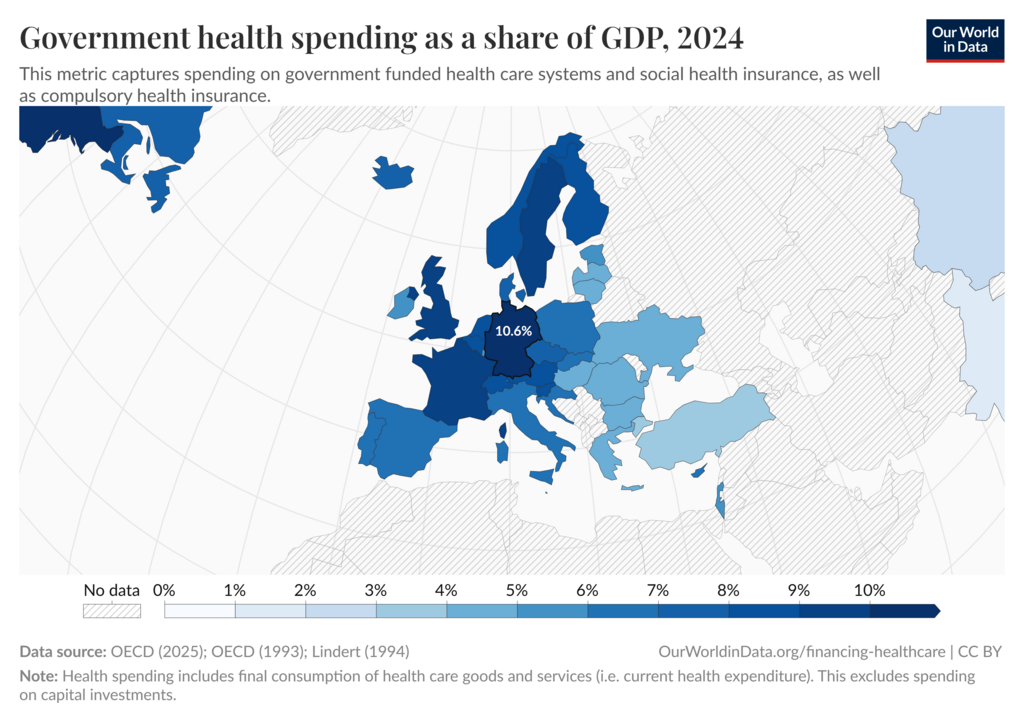
This sector is also a major employer. It includes a wide range of jobs, from highly specialized neurosurgeons and research scientists to hospital administrators, nurses, and medical technicians. The demand for these jobs tends to be stable and growing, providing a source of employment even during economic downturns.
Drivers of Growth
Two powerful trends are fueling consistent growth in the healthcare sector: an aging population and relentless technological advancement.
First, people are living longer. As populations in many parts of the world age, the demand for healthcare services naturally increases. Older individuals typically require more medical care, from routine check-ups and chronic disease management to surgical procedures and long-term care.
Second, technology is transforming what's possible in medicine. Breakthroughs in biotechnology, new diagnostic tools, and innovative medical devices are constantly creating new ways to treat diseases that were once considered untreatable. This innovation not only improves patient outcomes but also creates new markets and investment opportunities within the sector.
Think about a hip replacement. Decades ago, it was a major, high-risk surgery. Now, thanks to better devices, materials, and techniques, it's a common and highly successful procedure that improves the quality of life for millions.
Let's check your understanding of these core concepts.
The text describes demand for healthcare as 'inelastic.' What does this mean?
According to the text, what is the key distinction between the pharmaceutical and biotechnology subsectors?
The combination of inelastic demand, an aging population, and continuous innovation makes the healthcare sector a resilient and ever-expanding part of our world.