Healthcare Regulatory Compliance Leadership
Healthcare Regulatory Frameworks
Navigating Healthcare's Rules
The U.S. healthcare system operates under a complex web of rules and regulations. These aren't just bureaucratic red tape; they are safeguards designed to protect patients, ensure the quality of care, and manage the vast flow of sensitive information. Think of them as the foundational traffic laws for the entire healthcare industry, keeping everyone safe and moving in the right direction. Key players in this landscape include foundational laws like HIPAA and the ACA, and the government agencies that enforce them, like HHS, the FDA, and CMS.
HIPAA and Patient Privacy
The Health Insurance Portability and Accountability Act (HIPAA) of 1996 is the cornerstone of patient privacy in the United States. Its main job is to protect your sensitive health information from being disclosed without your consent or knowledge. This information, known as Protected Health Information (PHI), includes anything that can identify you in a health context.
Protected Health Information
noun
Any identifiable health information, including diagnoses, treatment information, medical test results, and prescription information. It also includes identifiers like your name, address, birth date, and Social Security number when linked to your health data.
HIPAA established two critical rules that healthcare providers and insurers (known as “Covered Entities”) and their business partners must follow.
- The Privacy Rule: This sets national standards for who can access and use your PHI. It gives you rights over your own health information, like the right to get a copy of your records and request corrections.
- The Security Rule: This rule deals specifically with electronic PHI (ePHI). It requires safeguards to protect digital health records from unauthorized access, whether they are being stored or sent electronically.
HIPAA, or the Health Insurance Portability and Accountability Act, sets the standards for protecting sensitive patient information.
The Affordable Care Act
Signed into law in 2010, the Patient Protection and Affordable Care Act (ACA) aimed to make health insurance more accessible and affordable for more Americans. It introduced significant reforms to the health insurance market and expanded the role of government in healthcare.
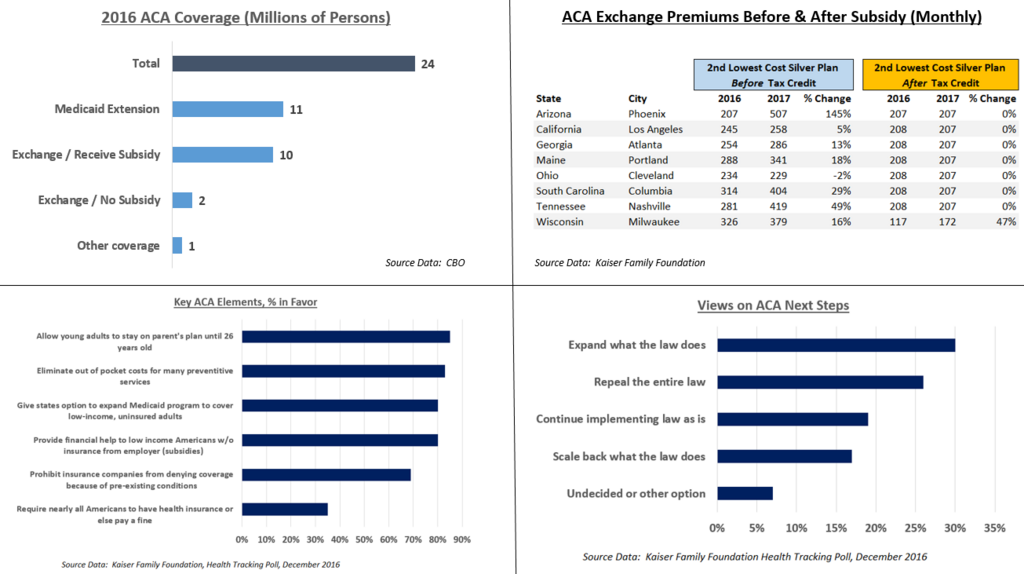
The law is extensive, but some of its most impactful provisions include:
| Provision | What It Does |
|---|---|
| Health Insurance Marketplace | Creates a platform where individuals and small businesses can compare and buy health insurance plans, often with financial assistance. |
| Pre-existing Conditions | Prohibits insurance companies from denying coverage or charging more to people with pre-existing health problems, like asthma or diabetes. |
| Young Adult Coverage | Allows young adults to remain on their parents' health insurance plan until they turn 26. |
| Medicaid Expansion | Gives states the option to expand their Medicaid programs to cover more low-income adults. |
These changes fundamentally reshaped how many people access and pay for healthcare, with a focus on expanding coverage and consumer protections.
The Role of Federal Agencies
Legislation like HIPAA and the ACA sets the rules, but federal agencies are responsible for writing the specific regulations and enforcing them. Several key agencies oversee the U.S. healthcare system.
Department of Health and Human Services (HHS): As the U.S. government’s principal agency for protecting the health of all Americans, HHS is the parent organization for many other key agencies. It oversees the implementation of the ACA and the enforcement of HIPAA.
Within HHS, two agencies play particularly large roles:

Food and Drug Administration (FDA): The FDA is responsible for protecting public health by ensuring the safety, efficacy, and security of human and veterinary drugs, biological products, medical devices, our nation’s food supply, cosmetics, and products that emit radiation. Before a new drug or medical device can be sold in the U.S., it must go through the FDA's rigorous approval process.
Centers for Medicare & Medicaid Services (CMS): CMS is the agency that administers the nation's major government-funded healthcare programs. It oversees Medicare, which provides health coverage for people aged 65 or older and younger people with certain disabilities, and Medicaid, which provides coverage for millions of low-income adults, children, pregnant women, and people with disabilities. Because it's such a large payer for healthcare services, CMS's rules and reimbursement policies have a massive influence on how doctors and hospitals operate nationwide.
Understanding these frameworks and the agencies that enforce them is the first step for anyone working in healthcare compliance. These rules form the foundation upon which safe, effective, and ethical healthcare is built.