Healthcare Project Management Essentials
Introduction to Project Management
What Is a Project?
At its heart, a project is a temporary effort to create a unique product, service, or result. It’s not your day-to-day routine. Making your morning coffee is a routine. Designing a new coffee machine is a project. It has a clear start and end, and a specific goal.
Project management, then, is the art and science of guiding a project from start to finish. It's about applying specific skills, knowledge, and tools to help a team meet the project’s goals on time and on budget.
Project management is the practice of applying knowledge, tools, and techniques to deliver work efficiently and effectively.
Think of it like planning a road trip. You have a destination (the goal), a car (your resources), a map (the plan), and a budget for gas and snacks. Project management is the process of making sure you get to your destination safely, without running out of gas or getting hopelessly lost.
The Project Lifecycle
Every project, whether it's building a skyscraper or launching a website, follows a similar path. This path is called the project lifecycle, and it’s typically broken down into a few distinct phases. Understanding these phases helps everyone know what to expect and what to do next.
1. Initiation: This is where the project is born. The core idea is defined, its value is determined, and it gets the official green light. It's about answering the fundamental question: Should we do this?
2. Planning: Once approved, it's time to map everything out. This is the most intensive phase. The team defines the scope (what are we doing and not doing?), sets a timeline and budget, identifies risks, and assigns tasks.
3. Execution: This is the “doing” phase. The team gets to work, building the actual product or service. The project manager's job here is to keep everyone coordinated and the work moving forward.
4. Monitoring & Controlling: This phase runs alongside execution. It's all about tracking progress against the plan. Is the project on schedule? Are we over budget? This phase involves making adjustments to keep the project on track.
5. Closing: The project is complete. The final product is delivered, all contracts are closed out, and the team takes time to reflect on what went well and what could be improved next time.
Ways of Working
Not all projects are managed the same way. Different approaches, or methodologies, exist to suit different types of projects. The two most common are Waterfall and Agile.
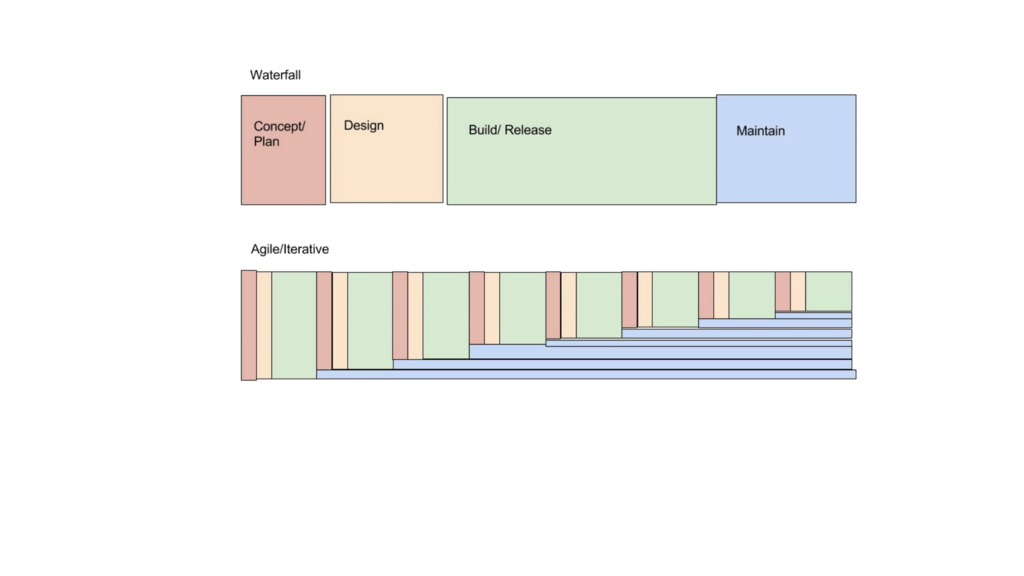
The Waterfall method is a traditional, sequential approach. You complete each phase of the project fully before moving on to the next, like a waterfall flowing over a cliff. This works well for projects where the requirements are crystal clear from the start and unlikely to change, such as constructing a building.
The Agile method is a more flexible and iterative approach. The project is broken down into small, manageable cycles called “sprints.” At the end of each sprint, the team delivers a small piece of the final product. This allows for constant feedback and makes it easy to adapt to changes. It’s very popular in software development, where user needs can evolve quickly.
| Feature | Waterfall | Agile |
|---|---|---|
| Structure | Linear, sequential | Iterative, cyclical |
| Flexibility | Low; changes are difficult | High; changes are expected |
| Planning | Done entirely upfront | Done in short cycles |
| Best For | Projects with fixed requirements | Projects with evolving requirements |
Key Roles on a Project
A project is a team sport, and everyone has a position to play. While titles can vary, most projects involve a few key roles.
Stakeholder
noun
Anyone who is affected by the project or has an interest in its outcome. This can include customers, executives, and team members.
The Project Sponsor (or Project Owner) is a senior leader who champions the project. They secure funding, provide resources, and have the final say on major decisions. They are ultimately accountable for the project's success.
The Project Manager is the conductor of the orchestra. They are responsible for the day-to-day management of the project, from planning and scheduling to managing the team and communicating with stakeholders. They ensure the project is completed on time and within budget.
The Project Team consists of the individuals who do the actual work to create the project deliverables. They are the designers, engineers, writers, and builders who bring the project to life.
Which of the following is the best example of a project?
In which phase of the project lifecycle is the project's scope, timeline, and budget mapped out in detail?
These core concepts provide the foundation for managing any project. Understanding the lifecycle, choosing the right methodology, and clarifying roles are the first steps toward a successful outcome.