Healthcare Product Marketing Strategies
Healthcare Marketing Basics
Marketing for Health and Wellness
Marketing in healthcare isn't about selling the latest gadget. It’s about connecting people with the care, information, and products they need to live healthier lives. This could mean helping a patient find the right specialist, informing doctors about a new medical device, or raising awareness for a public health campaign.
Unlike marketing for clothes or cars, healthcare marketing deals with something deeply personal: our well-being. That's why the central goal is to build trust. Every message, ad, or brochure must be clear, accurate, and respectful. Whether it's for a local clinic, a large hospital, or a pharmaceutical company, the focus is on creating a trusted relationship.
The Rules of the Road
Navigating healthcare marketing requires a firm grasp of some very important rules. These aren't just suggestions; they are laws and ethical codes designed to protect people's privacy and safety. Breaking them can lead to serious consequences.
Two of the most important regulations are HIPAA and GDPR.
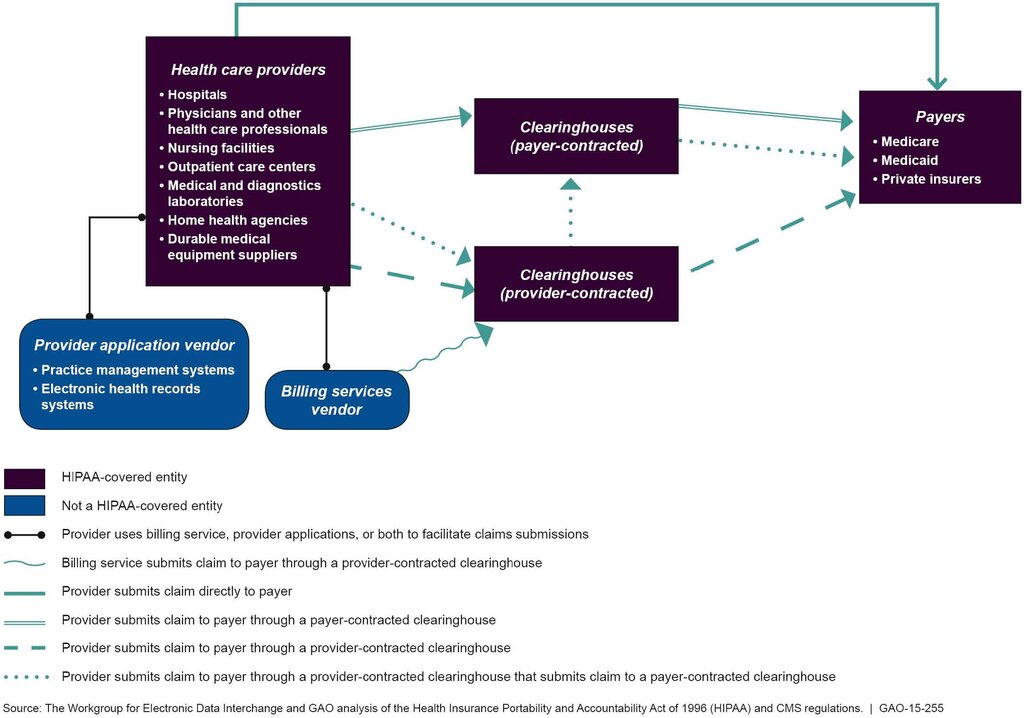
HIPAA (Health Insurance Portability and Accountability Act) is a U.S. law that protects sensitive patient health information. For marketers, this means you can't use someone's personal health data for advertising without their explicit consent. For example, a hospital can't send targeted ads for a diabetes clinic to a list of patients with high blood sugar.
GDPR (General Data Protection Regulation) is the European Union's data privacy law. It gives individuals more control over their personal data. Any healthcare organization that markets to people in the EU must comply, ensuring they get clear consent before collecting or using any personal information.
These rules ensure that marketing efforts respect privacy and build, rather than erode, patient trust.
Beyond legal rules, healthcare marketing has a strong ethical dimension. The goal is to inform, not to frighten or mislead. Making exaggerated claims about a treatment's effectiveness or using fear to motivate people is a serious ethical breach.
Ethical marketing is transparent and honest. It empowers people to make informed decisions about their health, rather than pressuring them into a choice.
A core principle of ethical healthcare marketing: Never promise a cure. Focus on providing clear, factual information about benefits and risks.
Different Audiences, Different Approaches
Healthcare marketing isn't a one-size-fits-all field. The strategy changes dramatically depending on who you're talking to. The two main approaches are Business-to-Consumer (B2C) and Business-to-Business (B2B).
B2C Marketing
other
Marketing that targets individual consumers who will use the product or service themselves. The focus is on building an emotional connection and communicating direct benefits.
B2C marketing speaks directly to patients and their families. The messaging is often emotional, focusing on concepts like hope, relief, and quality of life. Think of a television ad for a children’s hospital that highlights patient success stories. The goal is to build a personal connection and make the healthcare provider seem approachable and trustworthy. Simplicity is key; medical jargon is avoided in favor of clear, easy-to-understand language.
B2B Marketing
other
Marketing that targets other businesses or organizations. The focus is on logic, data, and demonstrating value in terms of efficiency, cost-effectiveness, or improved patient outcomes.
B2B marketing, on the other hand, is aimed at other professionals and organizations. This includes hospitals, clinics, insurance companies, and other businesses in the healthcare ecosystem.
Here, the conversation is very different. The audience is knowledgeable and analytical. They aren't swayed by emotional appeals alone. Instead, they want data, evidence, and a clear return on investment. Marketing materials for a new surgical robot, for example, would focus on its precision, efficiency in the operating room, and data showing improved patient recovery times. The messaging is professional, detailed, and data-driven.
| Feature | B2C (Business-to-Consumer) | B2B (Business-to-Business) |
|---|---|---|
| Target Audience | Patients, families, caregivers | Hospitals, clinics, physicians, insurers |
| Message Focus | Emotional connection, quality of life | Data, efficiency, cost-effectiveness |
| Communication Style | Simple, clear, relatable | Technical, detailed, evidence-based |
| Goal | Build personal trust and brand loyalty | Demonstrate value and build partnerships |
Understanding these foundational concepts is the first step in navigating the world of healthcare marketing. It's a field built on a delicate balance of communication, regulation, and a deep sense of responsibility.