Healthcare Marketing Plan Mastery
Market Analysis
Understand the Healthcare Landscape
Before you can market a healthcare product, you need a clear picture of the world it's entering. The healthcare industry is always changing, driven by new technology, patient expectations, and shifting regulations. Understanding these currents is the first step to finding your place in the market.
Key trends are reshaping healthcare. Telehealth, for instance, has moved from a niche service to a mainstream option, offering convenience for routine check-ups and consultations. Another major shift is toward personalized medicine, where treatments and products are tailored to an individual's genetic makeup and lifestyle. Patients are no longer passive recipients of care; they are active consumers who want solutions that fit their specific needs.
Also, keep an eye on the move toward value-based care. This model rewards healthcare providers for patient health outcomes, not just for the number of services they provide. This means products that can demonstrate clear, measurable benefits—like improving patient quality of life or reducing hospital readmissions—have a significant advantage.
Pinpoint Your Audience
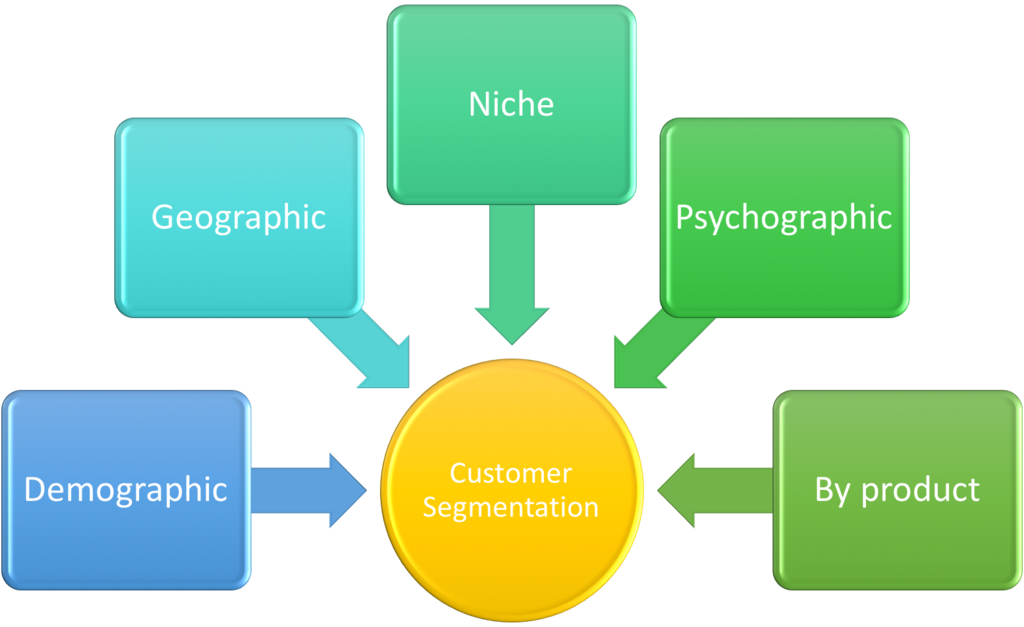
Once you understand the broader market, it's time to zoom in on your specific customers. Who are you trying to reach? A vague answer like "everyone" won't work. You need to define your target audience with precision. Start with demographics: age, gender, location, income level, and education. These factors provide a basic sketch of your potential user.
But don't stop there. Psychographics, which cover lifestyle, values, and attitudes, are just as important. What are their health concerns? Are they tech-savvy early adopters or more cautious about new technology? What motivates their health decisions—convenience, cost, or expert recommendations?
For example, imagine you're launching a new app that helps people manage type 2 diabetes. Your primary audience might be adults aged 45-65 who were recently diagnosed. They are likely comfortable using smartphones but may need a simple, intuitive interface. Their main need isn't just tracking blood sugar; it's feeling in control of their new condition. They want guidance, reassurance, and an easy way to share data with their doctor.
A successful product doesn't just solve a problem. It fits seamlessly into the lives of the people who use it.
This process of defining and understanding your audience is called patient needs assessment. It involves gathering direct feedback through surveys, interviews, and focus groups to uncover the real-world challenges your product can solve. Never assume you know what patients want. Ask them.
Analyze the Competition
You're not operating in a vacuum. Other companies are also vying for your target audience's attention. A thorough competitor analysis helps you understand their strategies, identify their strengths and weaknesses, and find opportunities to stand out.
Start by identifying your direct and indirect competitors. Direct competitors offer a similar product, while indirect competitors solve the same patient need with a different solution. For our diabetes app, a direct competitor would be another diabetes management app. An indirect competitor could be a traditional glucose logbook or a general fitness tracker that includes some health monitoring features.
Once you have your list, dig into their offerings. What features do their products have? How do they price them? What is their marketing message, and where do they advertise? Reading customer reviews can be incredibly insightful, revealing what users love and what frustrates them about existing solutions. This can highlight gaps in the market that your product can fill.
| Competitor | Key Feature | Strength | Weakness |
|---|---|---|---|
| HealthApp A | AI-powered meal suggestions | Highly personalized | Complicated user interface |
| SugarLogz | Simple manual tracking | Easy to use | Lacks advanced features |
| FitBand Pro | All-in-one health tracker | Broad functionality | Not diabetes-specific |
Finally, consider the regulatory environment. Healthcare is a highly regulated industry. In the U.S., this means navigating rules set by organizations like the Food and Drug Administration (FDA) and complying with privacy laws like the Health Insurance Portability and Accountability Act (HIPAA). These regulations aren't just hurdles; they shape product development and marketing claims. For example, any claims you make about your product's ability to diagnose or treat a condition must be backed by solid clinical evidence. Understanding these rules from the start will save you significant trouble later on.
What is the primary focus of the "value-based care" model?
A marketing team is defining its target audience. They've gathered data on their potential customers' age, location, and income level. What is the term for this type of data?
A solid market analysis provides the foundation for your entire marketing strategy. It turns guesswork into an informed plan, giving your product the best possible chance of success.