Health Headlines vs. Scientific Abstracts
Understanding Scientific Abstracts
The Abstract: A Paper in Miniature
Before you dive into a full scientific paper, you'll encounter the abstract. Think of it as a movie trailer for the research. It's a short, powerful summary at the very beginning that tells you everything you need to know to decide if the full paper is worth your time.
A good abstract gives you the highlights of the study in about 150 to 300 words. It's designed to be a standalone piece that makes sense even without reading the rest of the article.
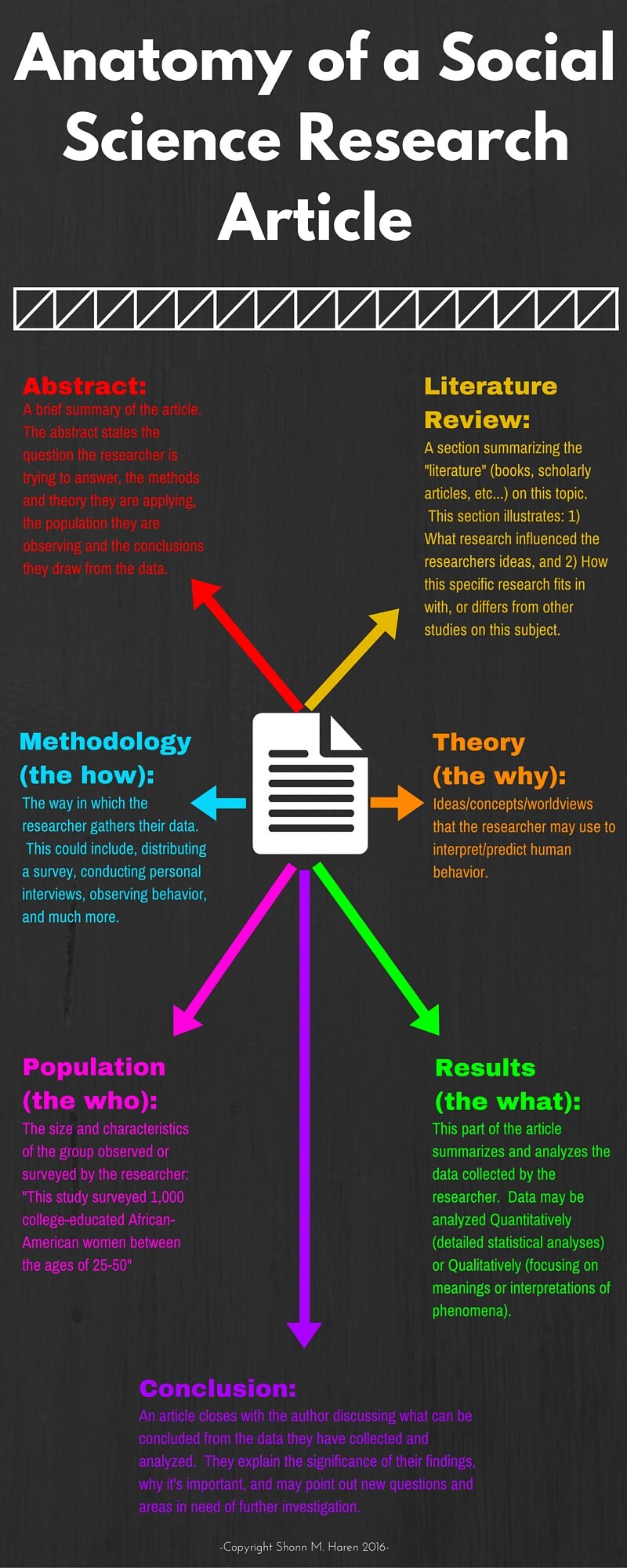
What to Look For
Nearly all abstracts follow a similar structure. They answer a few key questions in a specific order. When you read an abstract, you’re looking for the essential components of the research study.
- Objectives: Why was the study done? What problem or question were the researchers trying to address?
- Methodology: How did they do it? This covers the design of the study, who or what was studied, and what techniques were used.
- Results: What did they find? This is a summary of the most important data and findings.
- Conclusions: What does it all mean? The researchers explain the implications of their findings and the study's contribution to the field.
By quickly identifying these four parts, you can grasp the entire story of the research in just a minute or two.
Types of Abstracts
Not all abstracts are created equal. They generally fall into three categories, each serving a slightly different purpose.
| Type | Purpose | What it Contains |
|---|---|---|
| Indicative | Describes the paper | Outlines the scope and purpose, like a table of contents. No results. |
| Informative | Summarizes the paper | A mini-version of the full article with objectives, methods, results, and conclusions. |
| Evaluative | Critiques the paper | Includes the author's judgment or analysis of the study, in addition to a summary. |
Informative abstracts are the most common in scientific literature because they provide a complete picture of the research.
A Framework for Quick Assessment
To quickly decide if a paper is relevant to your interests, you can use a simple framework called PICOM. It helps you pull out the most important details from an abstract.
PICOM
noun
A framework for breaking down a research study into its core components: Population, Intervention, Comparison, Outcome, and Method.
Here’s what each letter stands for:
- P - Population: Who or what was studied? (e.g., college students, patients with diabetes, a specific type of cell)
- I - Intervention: What was the main factor, treatment, or test being investigated? (e.g., a new drug, a teaching method, a specific exercise)
- C - Comparison: What was the intervention compared to? (e.g., a placebo, a standard treatment, a control group)
- O - Outcome: What was measured to see the effect of the intervention? (e.g., symptom reduction, test scores, recovery time)
- M - Method: What type of study was conducted? (e.g., randomized controlled trial, observational study, case study)
By running an abstract through the PICOM checklist, you can systematically determine if the study's focus, methods, and findings align with what you're looking for.
Now, let's test your understanding of abstracts.
What is the primary purpose of a scientific abstract?
An abstract is designed to be a standalone piece that can be understood without reading the full article.