Health Headlines vs. Science Abstracts
Understanding Health News
Where Health News Comes From
You see health news everywhere—on TV, in your social media feed, on news websites. One day it's about a new diet that promises amazing results, and the next it's a warning about a common habit.
But where does this information actually originate? Most of it starts as a scientific study published in a peer-reviewed journal. These are dense, technical papers written by scientists for other scientists. They describe a single experiment or analysis in great detail, including its methods, results, and limitations.
For that research to reach you, it has to be translated from complex scientific language into something the public can understand. This is where journalists, reporters, and media outlets step in.
The Media as Messenger
Think of science journalists as interpreters. They read the original research and pull out what they believe are the most important findings. Their goal is to bridge the gap between the laboratory and your living room.
When done well, this service is invaluable. It can alert you to new health risks, share advances in medicine, and help you make better decisions for your well-being. Good health reporting raises public awareness and can even influence health policy.
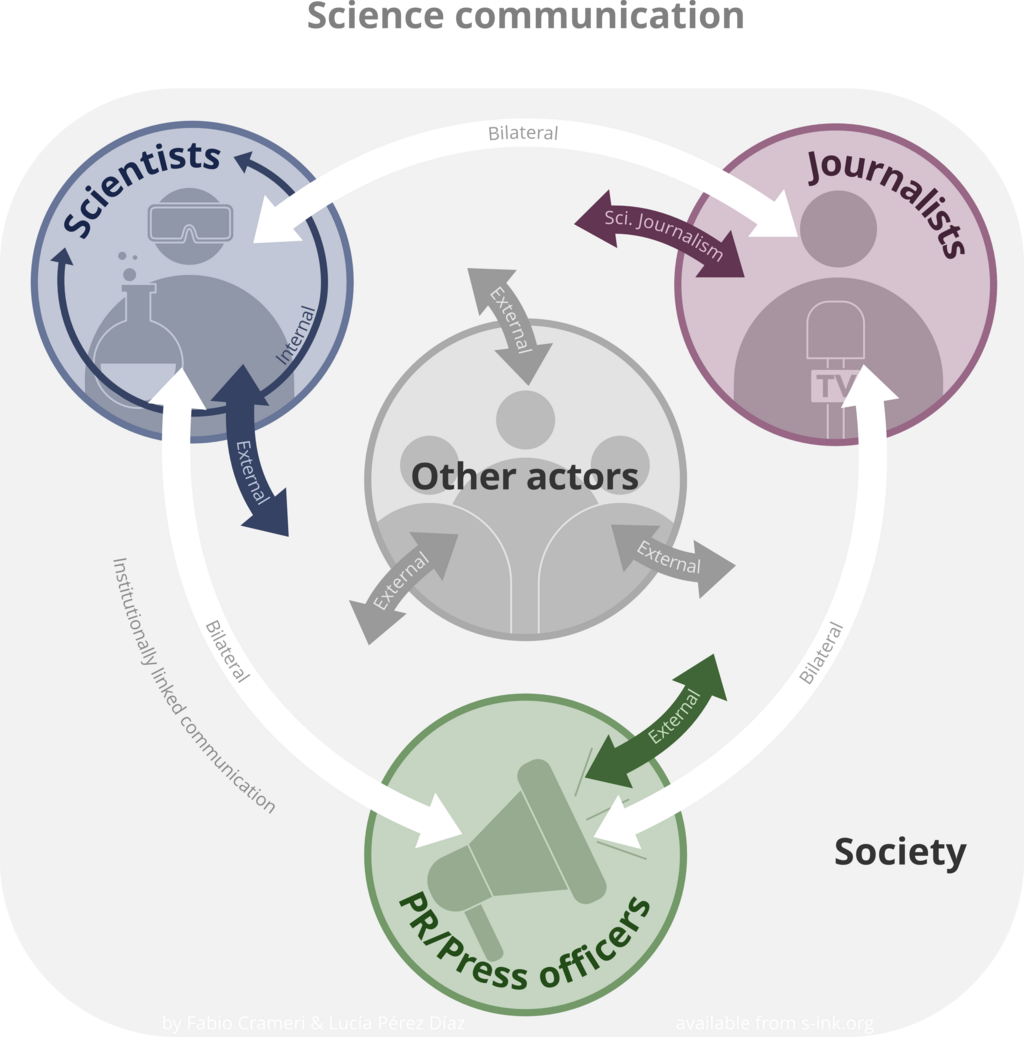
The trouble is, something often gets lost in translation. Nuance is sacrificed for simplicity. Tentative findings are presented as definitive facts. This is how misinformation can begin to spread, even when the original research was sound. The pressure to produce a compelling story can sometimes overshadow the need for accuracy.
The Problem with Press Releases
Often, a journalist's first contact with a new study isn't the study itself, but a press release. When a university, hospital, or company publishes research, its communications department will often write a press release to send to media outlets.
The purpose of a press release is to generate attention. It’s a marketing tool for the research. Because of this, it will naturally highlight the most exciting, surprising, or groundbreaking aspects of the study, while downplaying the limitations.
A busy journalist on a tight deadline might rely heavily on the press release to write their story, sometimes without ever reading the full scientific paper. As a result, the news you read can be a reflection of the press release's hype, not the careful, cautious language of the original research. This is a primary way that exaggerated claims make their way into headlines.
Spotting Sensational Headlines
Headlines are designed to do one thing: make you click. In a crowded online world, a sensational headline can feel necessary to grab a reader's attention. This has been true long before the internet.
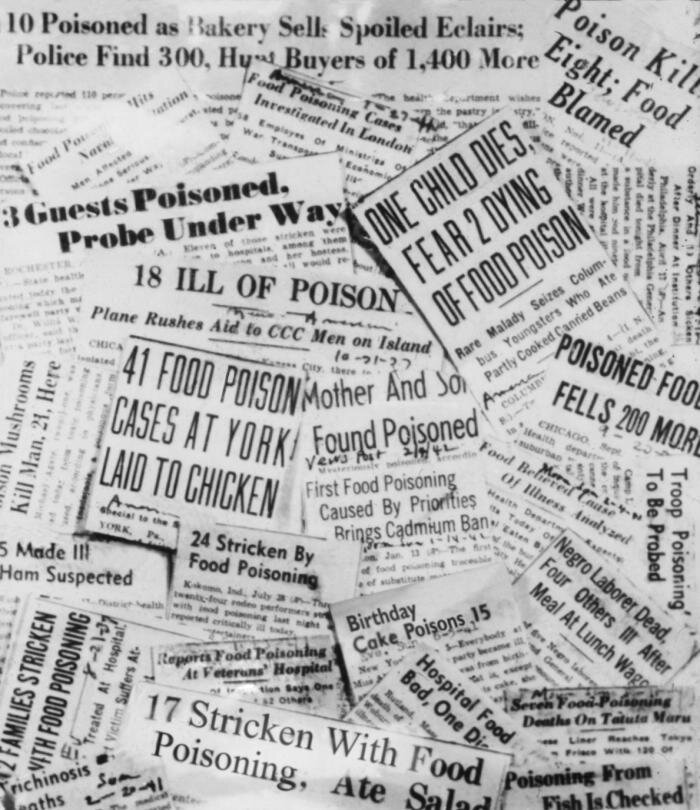
Learning to recognize the signs of a sensational headline is a key skill for navigating health news. Be skeptical of any headline that sounds too good, or too scary, to be true.
Watch out for words like "miracle," "cure," "breakthrough," "revolutionary," "game-changer," or "life-saving." Real scientific progress is usually slow and incremental, not a single dramatic leap.
A single study, no matter how interesting, is never the final word on a topic. It is just one piece of a much larger puzzle. A headline that presents one study's findings as a proven fact is oversimplifying the scientific process.
Avoid hyperbolic language: Journalists should avoid exaggerating the novelty or importance of new studies in headlines and copy or using words and phrases such as: "breakthrough," "revolutionary," "life-changing," "game-changing," "landmark," "miracle" or "Holy Grail."
Now, let's test what you've learned about the landscape of health news.
What is the primary source of information for most health news stories?
Why might a news story about a health study be exaggerated or oversimplified?
By understanding where health news comes from and being aware of the potential for hype, you can become a more critical and informed reader.