Health Benefits of Ginger Powder
Powdered vs Fresh Ginger
The Chemistry of Drying
When you choose between fresh and powdered ginger, you're deciding on more than just convenience. The two forms have distinct chemical makeups. Fresh ginger root is packed with compounds called gingerols, which are responsible for its sharp, pungent flavor and many of its immediate health benefits, like soothing an upset stomach.
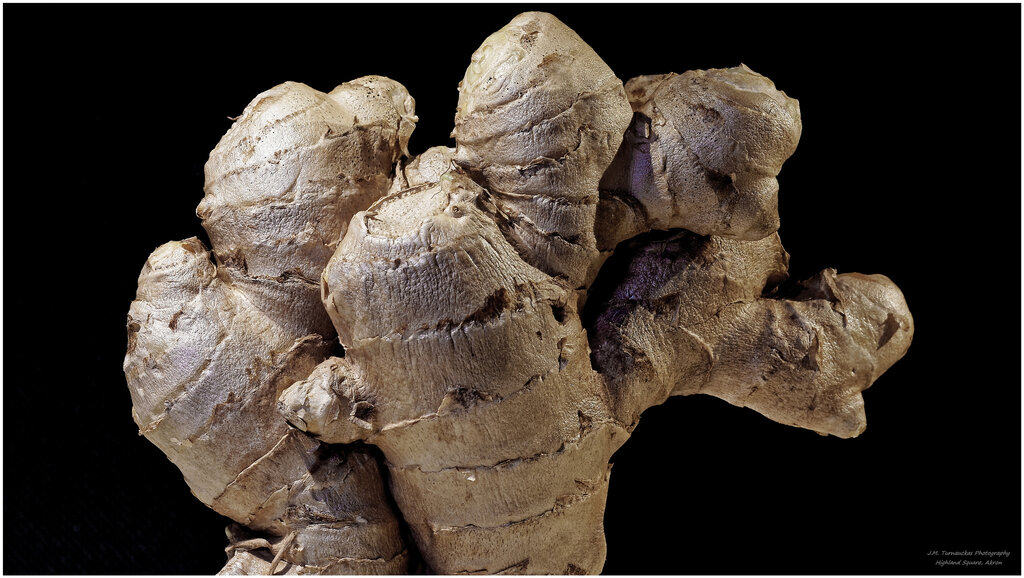
Drying ginger fundamentally changes its chemistry. The heat and dehydration process triggers a reaction that transforms gingerols into a different class of compounds: shogaols (named after 'shoga', the Japanese word for ginger). This isn't just a minor tweak; it's a significant chemical conversion.
Why does this matter? Shogaols are significantly more potent than gingerols. Studies show they possess much stronger anti-inflammatory and antioxidant properties. This transformation makes dried ginger a more powerful option for managing chronic inflammation and oxidative stress, even though it loses some of the fresh root's characteristic bite.
A Shift in Nutrients
The drying process also changes ginger’s nutritional profile. By removing water, which makes up about 80% of fresh ginger, the remaining nutrients become much more concentrated by weight. However, this isn't true for everything.
Heat-sensitive, water-soluble vitamins like Vitamin C are largely destroyed during dehydration. So, if you're turning to ginger for a vitamin C boost, fresh is the only way to go.
You trade water-soluble vitamins for a higher concentration of minerals and potent compounds.
On the other hand, minerals are stable and don't break down with heat. As a result, ginger powder is a far more concentrated source of minerals like iron, magnesium, and potassium than an equal weight of fresh ginger.
Stability and Shelf Life
One of the most practical advantages of powdered ginger is its stability. Fresh ginger root can dry out or grow mold within a few weeks, and its bioactive compounds degrade over time. The dehydration process that creates ginger powder acts as a natural preservative.
Ginger quickly dries and sprouts, so it needs to be stored properly to ensure it stays fresh longer.
By removing water, you eliminate the environment where microbes thrive. This gives powdered ginger a shelf life of years, not weeks. The potent shogaols remain stable in this dry form, ensuring you get a consistent dose of ginger’s powerful benefits long after it's been harvested and processed. For chronic health management where consistent, long-term use is key, the stability and potency of ginger powder often make it the more reliable choice.
What is the primary bioactive compound responsible for the sharp, pungent flavor of fresh ginger?
The process of drying ginger transforms gingerols into shogaols. How do shogaols compare to gingerols in terms of potency?