Healing from Childhood Trauma
Understanding Childhood Emotional Neglect and Abuse
What Is Emotional Neglect and Abuse?
When we talk about childhood trauma, we often think of obvious, visible harm. But some of the most profound wounds aren't physical. Emotional neglect and emotional abuse are two types of adverse childhood experiences that can deeply affect a child's development, even without leaving a single bruise.
Emotional abuse and neglect are sometimes called “invisible” traumas because their effects aren't immediately obvious, but they shape a child's sense of self and their view of the world.
Let's start by defining our terms. Though they often occur together, neglect and abuse are distinct.
Emotional Neglect
noun
The failure of parents or caregivers to provide for a child's emotional needs. It's an act of omission—not doing something that should be done.
Emotional neglect is about what's missing. It's the absence of emotional support, affection, and attention. The caregiver isn't necessarily mean or cruel; they may be overwhelmed, emotionally unavailable, or simply unaware of their child's inner world.
Emotional Abuse
noun
Any act or behavior by parents or caregivers that causes or is likely to cause serious emotional harm to a child. It's an act of commission—actively doing something harmful.
Emotional abuse, also known as psychological abuse, involves words and actions that tear down a child's self-esteem and sense of security. Unlike neglect, it's an active, ongoing pattern of harmful behavior.
Forms and Examples
To make the distinction clearer, let's look at some specific examples. One is about what a child doesn't receive, while the other is about what a child does receive.
| Emotional Neglect (Omission) | Emotional Abuse (Commission) |
|---|---|
| Ignoring a child's attempts to connect or share feelings. | Constantly criticizing, shaming, or belittling a child. |
| Failing to provide comfort when a child is scared or upset. | Calling names, insulting, or using sarcasm to hurt. |
| Not offering praise or acknowledging accomplishments. | Threatening harm to the child, their loved ones, or pets. |
| Being physically present but emotionally absent. | Isolating the child from friends or social activities. |
| Not providing guidance or setting appropriate limits. | Exposing a child to domestic violence or other traumatic events. |
| Failing to meet a child's need for love and affection. | Rejecting or blaming the child for problems. |
It's important to note that every parent makes mistakes. An occasional oversight or a heated argument doesn't constitute neglect or abuse. These terms describe a persistent pattern of behavior that becomes the child’s normal environment.
Immediate Effects on Children
How do children react to this environment? The immediate impacts can be significant, affecting how they see themselves and interact with others. A child's primary need is to feel safe and loved by their caregivers. When that need is unmet or violated, it creates deep insecurity.
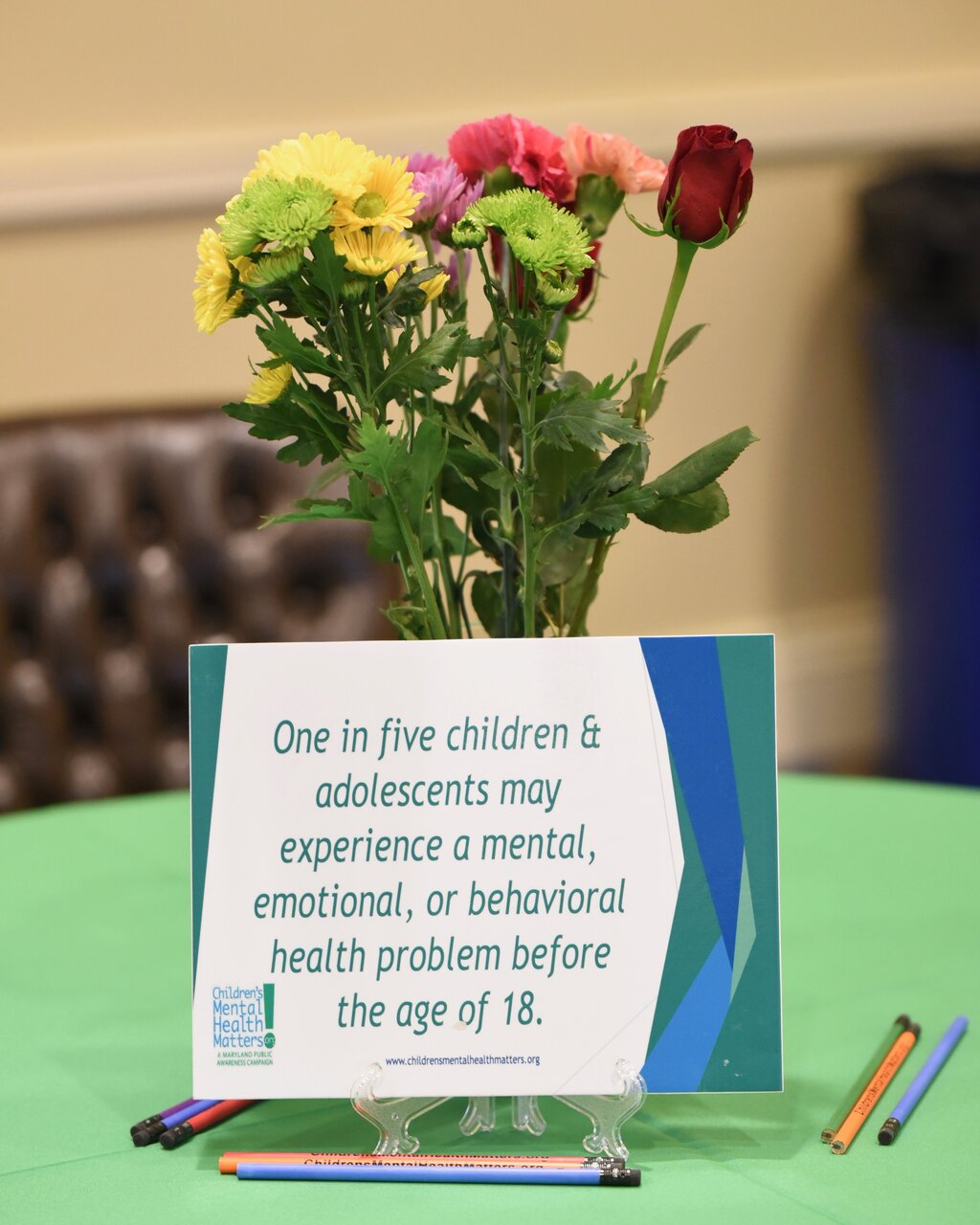
Children experiencing emotional neglect may learn that their feelings don't matter. They might appear withdrawn, overly independent for their age, or have trouble asking for help. Because their emotional needs are consistently ignored, they may stop expressing them altogether. This can lead to feelings of emptiness, loneliness, and confusion about their own identity.
On the other hand, children who are emotionally abused are often in a state of high alert. They might be anxious, fearful, or have sudden emotional outbursts. They learn that the world is unsafe and that the people who are supposed to protect them are a source of pain. This can result in low self-esteem, feelings of worthlessness, and difficulty trusting others. They may internalize the blame, believing they are somehow flawed and deserving of the mistreatment.
A neglected child might feel invisible, while an abused child might feel defective. Both experiences fundamentally undermine a child's sense of safety and self-worth.
These early experiences set the stage for how a child learns to regulate their emotions and form relationships. Without a healthy model, they may struggle to manage feelings like anger and sadness, or they may find it difficult to form healthy, secure attachments with peers and other adults.
Now, let's test your understanding of these foundational concepts.
Which statement best describes the core difference between emotional neglect and emotional abuse?
A child's parent is consistently preoccupied with their own problems and rarely offers comfort, praise, or attention, leaving the child feeling lonely and invisible. This is a classic example of:
Grasping the difference between emotional neglect and abuse is the first step in understanding their impact. By recognizing what these experiences look like and how they affect children in the moment, we can better appreciate the challenges they create later in life.