Head and Neck Cancer Treatment Radiotherapy and Chemotherapy
Introduction to Head and Neck Cancer
The Basics of Head and Neck Cancers
When we talk about head and neck cancers, we're referring to a group of cancers that start in the tissues and organs of the head and neck region. This includes the mouth (oral cavity), throat (pharynx), voice box (larynx), sinuses and nasal cavity, and salivary glands. Cancers of the brain, eye, esophagus, and thyroid gland are typically not included in this category as they have different characteristics and treatments.
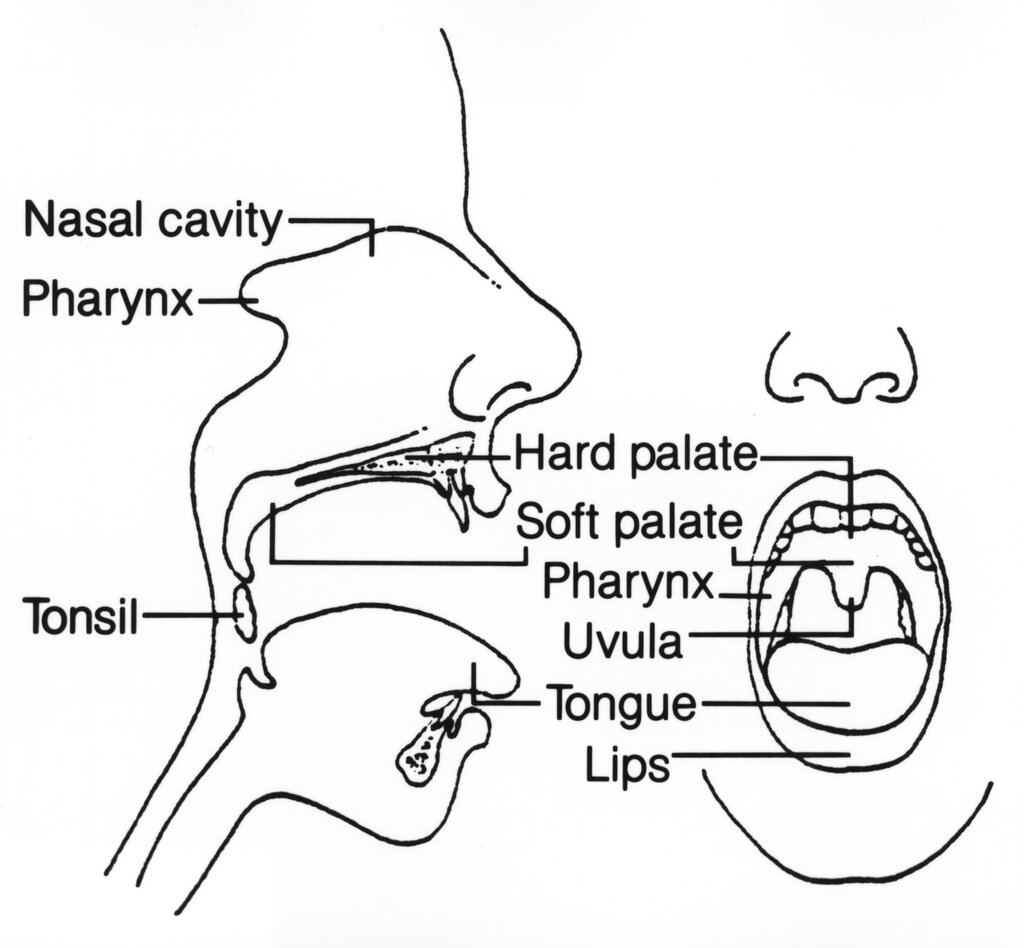
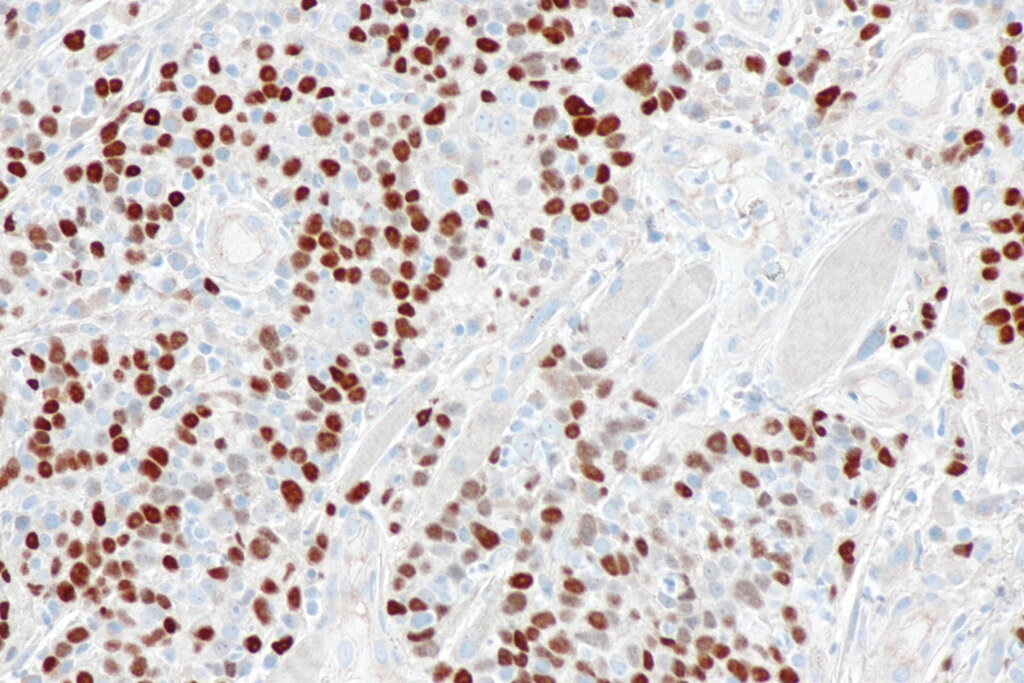
The vast majority of these cancers, over 90%, are squamous cell carcinomas. These cancers begin in the flat, scale-like cells that make up the thin layer of tissue on the surface of these structures.
Squamous Cell
noun
A type of flat, thin cell that looks like a fish scale under a microscope. These cells form the outer layer of the skin and line the hollow organs of the body and the respiratory and digestive tracts.
Other, less common types of head and neck cancers can develop in the salivary glands, muscles, or nerves. These include adenocarcinomas, sarcomas, and lymphomas.
Key Risk Factors
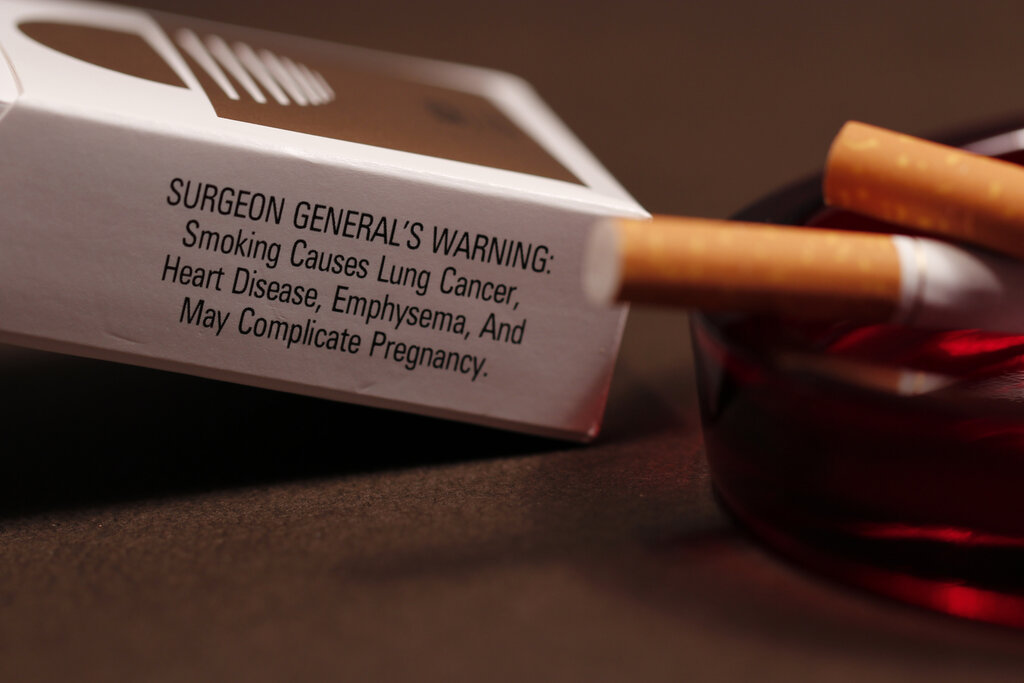
Certain behaviors and conditions can significantly increase a person's risk of developing head and neck cancer. The two most important risk factors are tobacco and alcohol use.
Tobacco use, including cigarettes, cigars, pipes, and smokeless tobacco (like chew or snuff), is the single largest risk factor for head and neck cancer.
Frequent and heavy alcohol consumption also increases the risk. The combination is particularly dangerous; using both tobacco and alcohol multiplies the risk far more than using either one alone.
Another major risk factor, especially for cancers in the throat (specifically the oropharynx, which includes the tonsils and base of the tongue), is infection with the human papillomavirus, or HPV. Certain strains of HPV, particularly HPV-16, are now a leading cause of oropharyngeal cancers, especially in younger, non-smoking individuals.
Other factors can also play a role. Prolonged sun exposure is a major cause of cancer on the lips and skin of the head and neck. Certain occupational exposures, such as inhaling wood dust or nickel dust, can increase the risk of cancers in the nasal cavity and sinuses. Infection with the Epstein-Barr virus is a risk factor for nasopharyngeal cancer.
| Risk Factor | Associated Cancer Site(s) |
|---|---|
| Tobacco | Oral Cavity, Pharynx, Larynx |
| Alcohol | Oral Cavity, Pharynx, Larynx |
| HPV | Oropharynx (Tonsils, Base of Tongue) |
| Sun Exposure | Lips, Skin |
| Wood Dust | Nasal Cavity, Paranasal Sinuses |
Who Gets Head and Neck Cancer?
Head and neck cancers account for about 4% of all cancers in the United States. They are more than twice as common in men as they are in women, and they are typically diagnosed in people over the age of 50.
However, the demographics are changing. With the rise of HPV-associated oropharyngeal cancers, doctors are seeing more cases in younger adults who do not smoke or drink heavily. This highlights the importance of understanding the different causes of these diseases.
Now, let's test your understanding of these foundational concepts.
Which of the following is typically NOT classified as a head and neck cancer?
Over 90% of head and neck cancers are which type?
Understanding these basics about the types, risks, and prevalence of head and neck cancers is the first step in learning about how they are diagnosed and treated.