HDR Imaging for Space
Introduction to HDR Imaging
Seeing the Full Picture
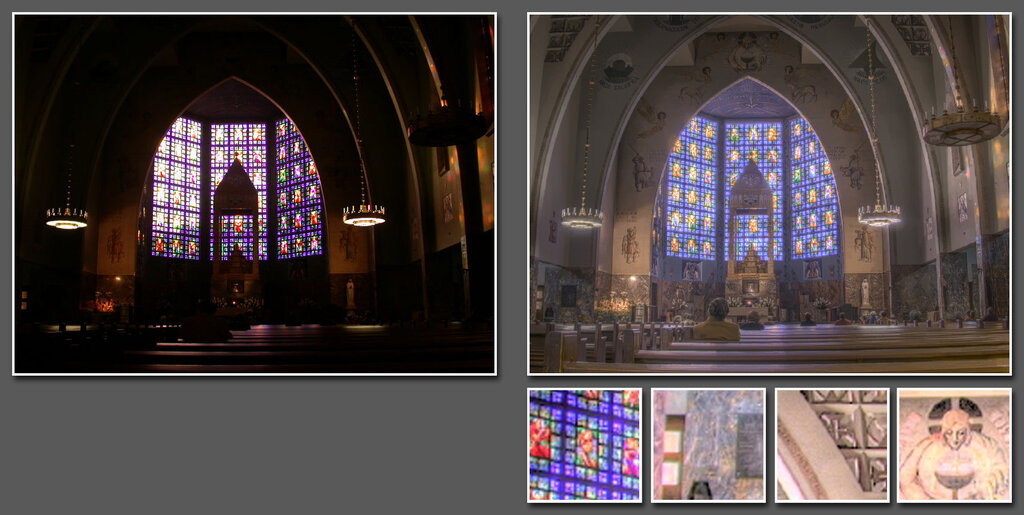
Our eyes are incredible. We can stand in a dimly lit room and still see the bright, sunny world outside a window. We perceive the dark shadows and the bright highlights all at once. Standard cameras, however, struggle with this. They are forced to choose: expose for the bright window and plunge the room into darkness, or expose for the room and blow out the window into a white blaze.
High Dynamic Range (HDR) imaging is a technique that helps cameras see more like our eyes do. It captures and combines a wider range of light and dark than a single photo ever could, resulting in images that are rich with detail from the deepest shadows to the brightest highlights.
HDR technology expands range of color and contrast allowing more vibrant and lifelike images with greater detail in highlights and shadows
Beyond a Single Snapshot
A standard photograph has a limited “dynamic range,” which is the difference between the darkest and brightest tones it can record. When a scene has very bright areas and very dark areas, this range isn’t wide enough to capture everything. The camera has to sacrifice detail in one area to properly expose another.
This is why a photo of a sunset might show a beautifully colored sky but a completely black, featureless landscape, or a well-lit landscape with a washed-out, completely white sky. The camera's sensor simply can't handle that much contrast in one go.
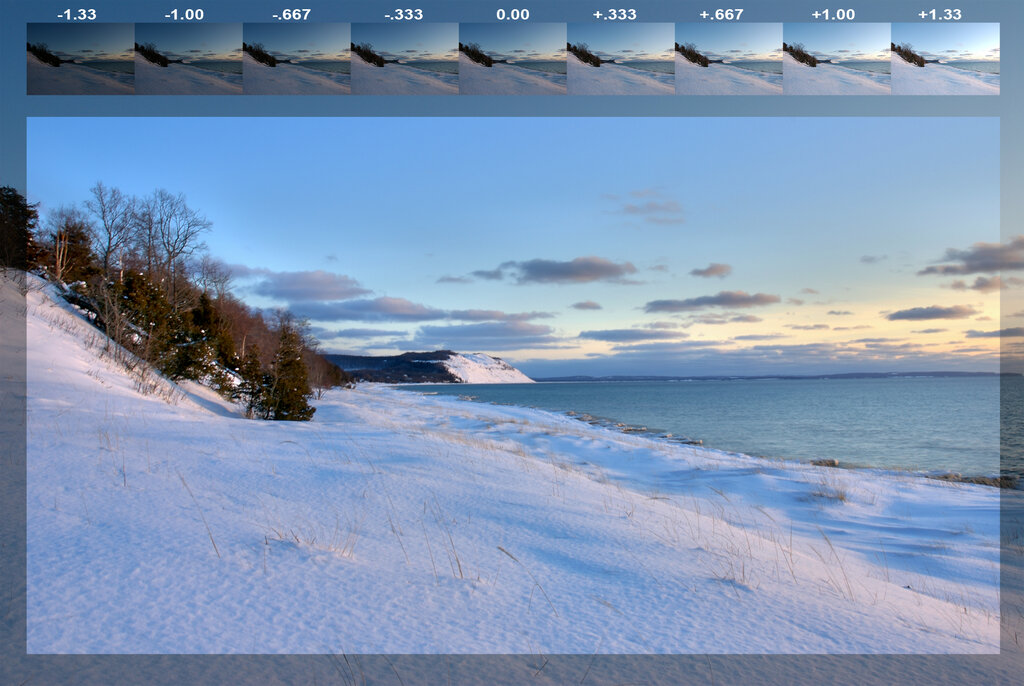
HDR imaging solves this problem by not relying on a single snapshot. Instead, it combines information from multiple pictures to create one super-image.
How HDR Works
The magic of HDR lies in a process called exposure bracketing. A photographer captures several shots of the exact same scene, one after another, but at different exposure levels.
- An underexposed shot: This dark image captures all the details in the brightest parts of the scene, like the sky or light sources, without blowing them out.
- A normal exposure: This is the balanced, middle-of-the-road shot.
- An overexposed shot: This bright image captures all the hidden details in the darkest shadows of the scene.
Software then takes these bracketed photos and intelligently merges them. It picks the best-exposed parts from each photo—the detailed highlights from the dark shot, the midtones from the normal shot, and the clear shadows from the bright shot—and stitches them together.
The result is a single image file that contains an enormous amount of light information, far more than a standard screen can display. This brings us to the final step: tone mapping. Tone mapping is the process of compressing that huge dynamic range back down so it can be viewed on a regular monitor or print, all while preserving the precious detail in the highlights and shadows that were just captured.
Where is HDR Used?
HDR is incredibly useful in any situation with high contrast. Landscape photographers use it to capture dramatic sunsets without losing the detail in the foreground. Real estate photographers use it to show both the interior of a room and the view outside the window clearly. It's also used in scientific and medical imaging to reveal subtle details that might otherwise be lost.
Any time a single photo would force a choice between capturing the light or the dark, HDR provides a way to capture both.
Now, let's test your understanding of these core concepts.
What is the primary problem that High Dynamic Range (HDR) imaging is designed to solve?
The process of taking multiple photos of the same scene at different exposure levels is called ______.
By blending multiple exposures, HDR imaging allows us to create photos that more closely match the incredible dynamic range of human vision.