Haute Couture Unveiled
Origins of Haute Couture
The Birth of High Fashion
Before the mid-1800s, the idea of a fashion “designer” didn't really exist. Wealthy women hired dressmakers, skilled artisans who would create garments based on the client's requests. Fashion trends moved slowly, often dictated by royalty, but there wasn't a single creative force driving the industry. A dressmaker was a craftsperson, not a celebrated artist.
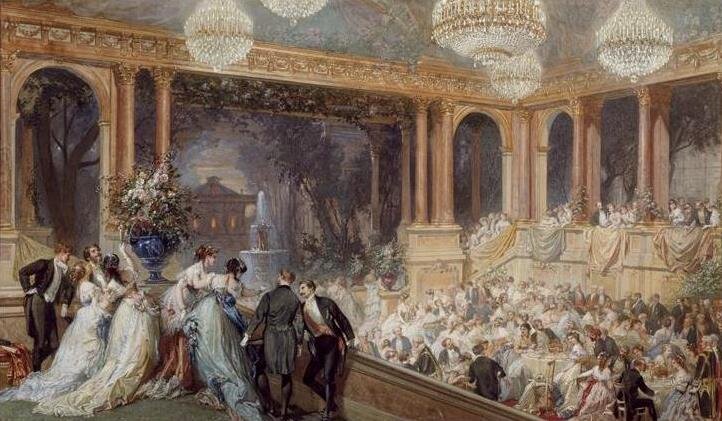
That all changed in Paris during the Second French Empire. The city was transforming into a modern metropolis, a hub of luxury, art, and commerce. This glittering new world was the perfect stage for a revolution in clothing, and an English-born draper's assistant would be its unlikely leader.
The Father of Couture
Charles Frederick Worth arrived in Paris in 1845 with little money but plenty of ambition. He found work at a prominent textile firm, where he began designing and showcasing dresses to complement the fabrics they sold. His innovative designs quickly caught the eye of the city's elite.
Worth's ideas were radical. Instead of just taking orders, he designed entire collections based on his own creative vision. He presented these collections to clients on live models, a practice unheard of at the time. Perhaps most importantly, he was the first to sew a signed label into his garments. This simple act elevated the dress from a mere commodity to a work of art, with the creator's name attached.
In 1858, he opened his own fashion house, the House of Worth, at 7 rue de la Paix. This was the world's first maison de couture, or couture house. It was a complete departure from the small-scale dressmaking shops of the past. Clients came to him not to dictate a design, but to be dressed by the master himself.
haute couture
noun
A French term for high-sewing or high dressmaking. It refers to the creation of exclusive, custom-fitted clothing that is constructed by hand from start to finish.
A City Ready for Its Close-Up
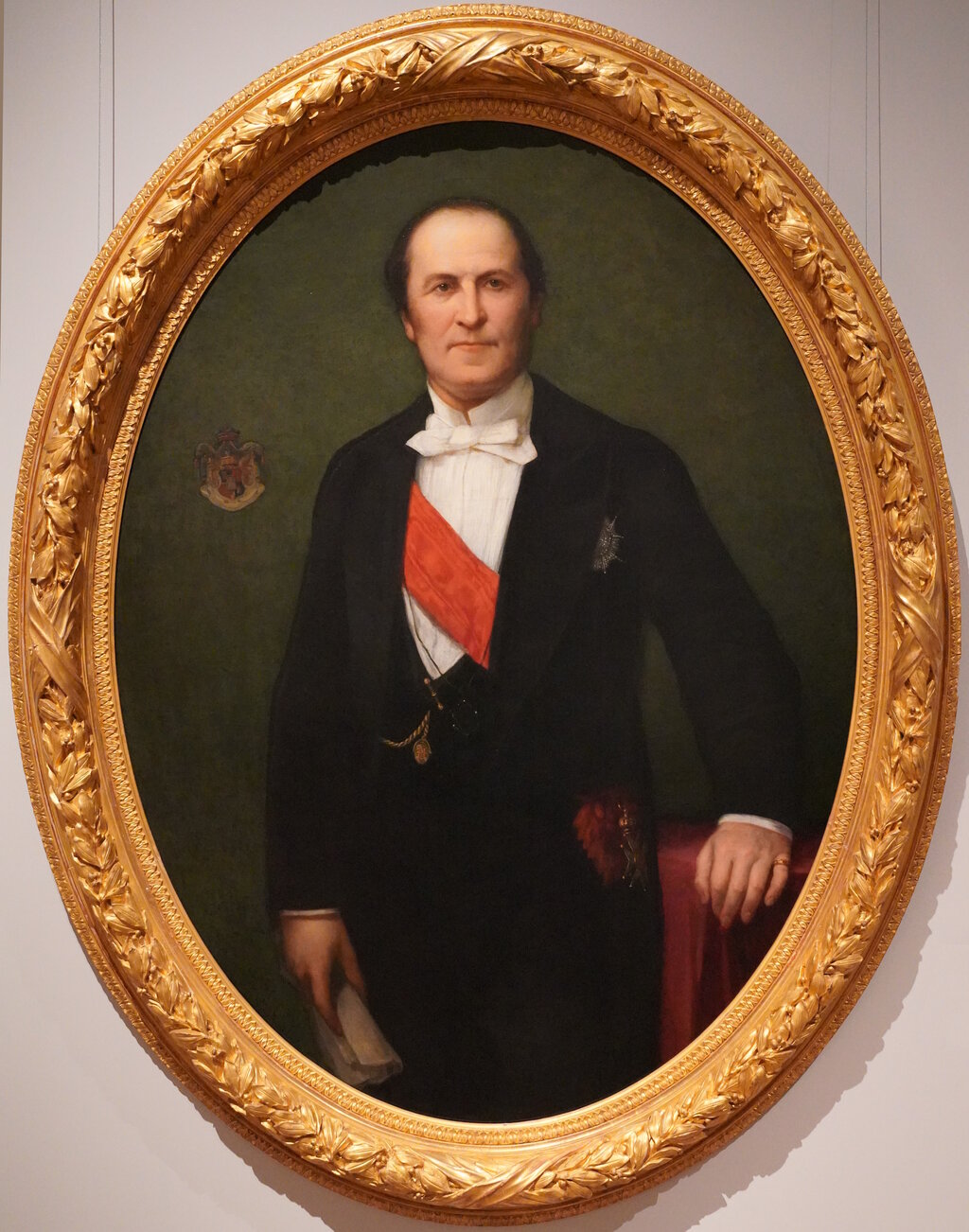
Worth's genius didn't exist in a vacuum. The Paris of the 1850s and 60s, under Emperor Napoleon III, was the perfect incubator for haute couture. The city was undergoing a massive urban renewal project led by Baron Haussmann, who tore down medieval streets to build wide boulevards, grand department stores, and opulent opera houses. This new Paris was a spectacle, and its high society needed a wardrobe to match.
A new class of industrialists and financiers had immense wealth and a desire to display it. Social life revolved around a constant calendar of balls, receptions, and public events. Fashion became a primary tool for signaling status. The most powerful trendsetter of the era was Empress Eugénie, wife of Napoleon III. When she made Worth her official court dressmaker, his success was guaranteed. His creations became the uniform for the European aristocracy and American heiresses alike.
The impact was immediate. Worth's business model established the designer as an artist and a celebrity, and Paris became the undisputed capital of the fashion world. He introduced the idea of seasonal collections, a rhythm the industry still follows today. By treating dressmaking as an art form, Charles Frederick Worth didn't just sell clothes; he sold a new, modern idea of fashion itself.
Worth transformed the dressmaker from a skilled artisan into a creative visionary. He made fashion a spectacle and an art.
Let's review the key figures and concepts from the birth of haute couture.
Now, check your understanding of how high fashion began.
Before the mid-1800s, what was the primary role of a person who created high-end clothing?
Which of these innovations by Charles Frederick Worth most directly established the designer as an artist and the garment as a piece of art?
The groundwork laid by Worth in mid-19th century Paris set the stage for fashion as we know it today.