Harmonica Technical Mastery
Breathing and Tone Production
The Engine of Your Sound
The heart of harmonica playing isn't complex fingerwork or intricate theory. It's your breath. How you move air through the instrument dictates everything about your sound, from its warmth and richness to its volume and stability. The key is to breathe through the harmonica, not at it.
This starts with diaphragmatic breathing. Instead of taking shallow sips of air into your chest, you want to draw air deep into your belly. Think of your lungs expanding downwards, powered by the large, flat muscle beneath them called the diaphragm. This creates a steady, high-volume, low-pressure airstream—the ideal fuel for a resonant harmonica tone.
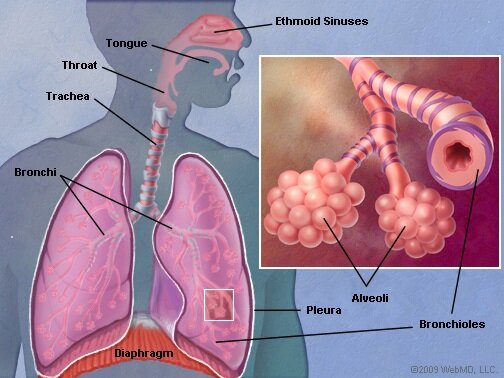
To practice, place a hand on your stomach. As you inhale slowly through your nose, your hand should move outwards. As you exhale, it should move inwards. Your chest and shoulders should remain relatively still.
From Breath to Tone
Breathing for the harmonica is an active process. You're not just passively inhaling and exhaling; you are directing a controlled column of air to vibrate the reeds. This active airflow is what gives your playing power and character. A weak, unsupported breath will produce a thin, reedy sound. A strong, supported breath from the diaphragm produces a full, rich tone.
Your mouth, throat, and nasal cavity form a resonant chamber that shapes the sound. Think of it like the body of a guitar. A larger, more open internal mouth volume creates a darker, warmer timbre, while a smaller space produces a brighter, thinner sound. Experiment by changing your jaw position and tongue placement as you play a single note. Notice how the character of the note changes.
The harmonica relies entirely on your breath to create sound, making breathing control one of the most critical harmonica techniques.
Shaping the Sound
Your —the way you shape your lips and mouth around the instrument—should be relaxed. Avoid puckering your lips tightly as if you're whistling. Instead, maintain a soft, natural seal around the holes you intend to play. Tension in your lips or jaw will constrict the airflow and choke the tone.
Your hands are your built-in effects pedals. By cupping your hands around the back of the harmonica, you create a second resonant chamber. Opening and closing this chamber by moving your hand creates the classic "wah-wah" effect. Even a static, partially cupped hand will darken the tone and add body to the sound.

Finally, be aware that different registers of the harmonica require slightly different approaches. The low notes (holes 1-3) need a slower, warmer, more relaxed breath to speak clearly. The high notes (holes 7-10) require a faster, more focused, and more supported airstream to sound without becoming shrill. The middle register is the most forgiving, but the goal is to produce a consistent, warm tone across the entire instrument.
Time to check your understanding of these core concepts.
What is the primary source of power for a strong, resonant harmonica tone?
According to harmonica principles, a relaxed embouchure (the shape of your mouth on the instrument) is crucial for good tone.
Mastering tone is a lifelong pursuit, but it all starts with the breath. Practice these techniques slowly, focusing on the quality of your sound rather than the complexity of the notes. A simple melody played with great tone is far more expressive than a fast riff played with a thin, weak sound.