Harmonica Fundamentals
Harmonica Basics
Meet the Harmonica
The harmonica, often called a "harp" by players, is a free reed wind instrument. Unlike instruments where you blow into a mouthpiece, the harmonica's sound comes from air vibrating small metal strips called reeds. Breathing in or out through its holes causes different reeds to vibrate, producing musical notes.
Harmonicas come in a few varieties. The most common is the diatonic harmonica, which is tuned to a specific musical key (like C, G, or A). It's the go-to for blues, folk, and rock music. You might also see a chromatic harmonica, which has a button on the side. Pushing the button redirects air to a different set of reeds, allowing you to play all the notes in the musical scale.
For beginners, a standard 10-hole diatonic harmonica in the key of C is the perfect starting point.
How to Hold It
A good grip gives you control and helps shape your tone. The standard way to hold the harmonica is simple but effective.
Hold the harmonica in your left hand, with the numbers on the comb facing you. The low notes will be on your left. Place the harmonica between your thumb (on the bottom) and your index finger (on the top). Your hand should form a gentle 'C' shape around the back of the instrument.
Now, bring your right hand up and cup it around your left hand and the harmonica. Your right thumb should rest near your left thumb. This creates an airtight chamber. You can open and close this chamber with your right hand to create a "wah-wah" effect, but for now, just focus on a comfortable, relaxed grip.
Breathing Makes the Music
The most common mistake beginners make is blowing at the harmonica like they're trying to put out birthday candles. Instead, think about breathing through it. The power should come from your diaphragm, the muscle below your lungs, not from puffing your cheeks.
Try this: Place a hand on your stomach. Breathe in deeply so that your stomach expands. Now breathe out, feeling your stomach contract. That's a diaphragmatic breath. It provides a steady, controlled stream of air that produces a much better tone than a shallow chest breath.
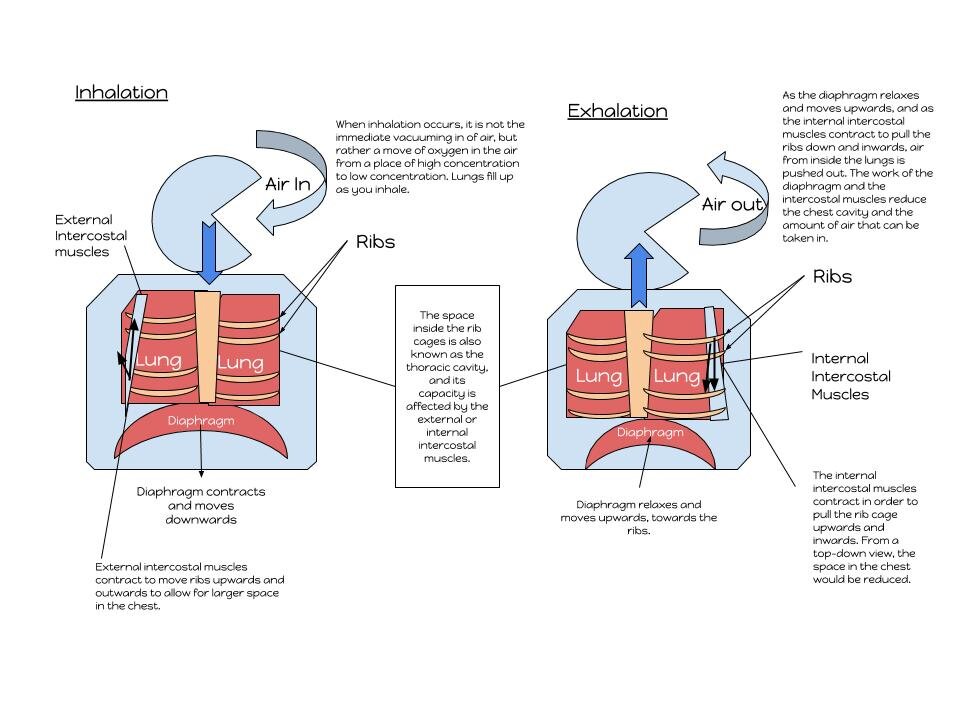
On a harmonica, you make sound by both breathing out (a blow note) and breathing in (a draw note). Both should be gentle and relaxed. Pick up your harmonica and try breathing through one of the middle holes, like hole 4 or 5. First, gently exhale. Then, gently inhale through the same hole. You just played two different notes with one hole.
Finding a Single Note
When you first start, you'll probably hear a jumble of notes because your mouth is covering multiple holes. The goal is to isolate a single hole to play a clean, clear note. This technique is called the embouchure.
embouchure
noun
The way in which a player applies their mouth to the mouthpiece of a brass or wind instrument.
The easiest method for beginners is the pucker, or whistle, method. Relax your lips and form them as if you are about to whistle or say the word "ooh." The opening in your lips should be small and round.
Now, bring the harmonica to your lips. Don't press hard. Your lips should create a seal around a single hole. Try blowing and drawing gently on hole 4. If you hear more than one note, make the opening in your lips a little smaller and try again. Move the harmonica from side to side until you find the sweet spot where only one note sounds.
Patience is key. It takes practice for your mouth to learn the muscle memory required to hit a single note every time.
With these basics—a good grip, steady breathing, and a clean single note—you have the foundation for everything else you'll learn on the harmonica. Take your time getting comfortable with these fundamentals before moving on.