Harmonic Platform Mastery
Introduction to Harmonic Platform
The Modern Video Factory
Imagine a factory that takes raw video footage and transforms it into the polished streams you watch on your phone, TV, or laptop. That's a simple way to think about the Harmonic platform. It’s a powerful, cloud-based system used by major broadcasters and streaming services to prepare and deliver high-quality video to audiences around the world.
In the past, this kind of work required massive, expensive hardware housed in dedicated buildings. Harmonic moved this entire factory into the cloud. This means it runs on flexible, powerful servers from providers like Amazon Web Services (AWS) or Google Cloud. This shift makes the whole process more efficient, scalable, and cost-effective.
Core Components
The platform's power comes from a few key functions that work together in a seamless workflow. Think of it as an assembly line for video.
Encoding
noun
The process of converting raw video files into a compressed digital format. This makes the files smaller and easier to manage and stream.
Encoding and Transcoding: This is the first step. Raw video from cameras is huge and not ready for the internet. Encoding compresses it. Transcoding takes that compressed video and creates multiple versions at different quality levels. This ensures a smooth viewing experience whether you're on a high-speed fiber connection or a spotty mobile network. Your device automatically picks the best version it can handle.
This adaptive streaming is why your video might look a bit blurry for a second before snapping into sharp HD.
Packaging: Once the video is transcoded into different versions, it needs to be packaged for different devices. An iPhone needs video delivered in a slightly different format than a smart TV or an Android tablet. Packaging bundles the video, audio, and captions into the correct format for each type of device.
Delivery: The final step is getting the video to the viewer. The Harmonic platform prepares the video streams to be sent out through Content Delivery Networks (CDNs), which are global networks of servers that ensure fast and reliable playback no matter where the viewer is.
Fitting Into the Media World
A platform like this doesn't exist in a vacuum. It has to connect and work with dozens of other systems in a complex media environment. Because Harmonic's platform is cloud-native, it's designed for this kind of integration. It can easily scale up to handle massive events like the Super Bowl or the Olympics, then scale back down when traffic is normal. This elasticity is a major advantage over traditional hardware.
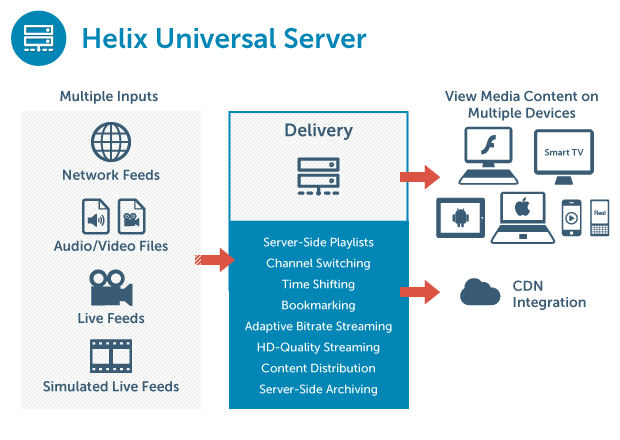
It integrates smoothly with other parts of the broadcast chain, like asset management systems that store content, scheduling systems that determine when shows air, and ad insertion technology that places commercials into live streams. This ability to plug into a wider ecosystem makes it a flexible and central part of modern media operations.
By handling the complex, resource-intensive work of video processing in the cloud, the Harmonic platform allows content creators to focus on what they do best: making great content.