Hardening Your Digital Life
Mapping Your Threats
From Corporate to Personal
Threat modelling isn't just for multinational corporations with server farms to protect. It's a practical way for anyone to think systematically about their digital security. The core idea is to move from a state of vague anxiety to one of focused awareness. Instead of worrying about every headline-grabbing hack, you can identify what's most important to you and who might want it.
In the enterprise world, security experts use frameworks like STRIDE, a mnemonic for different types of threats. We can adapt this powerful tool for personal use. It helps us ask the right questions about our digital lives.
| Threat | Question for You |
|---|---|
| Spoofing | Could someone pretend to be me online? (e.g., access my email or social media) |
| Tampering | Could someone alter my data? (e.g., change a file in my cloud storage) |
| Repudiation | Could someone do something from my account that I can't deny? (e.g., send a threatening email) |
| Information Disclosure | Could someone access my private information? (e.g., read my messages, see my photos) |
| Denial of Service | Could someone lock me out of my accounts or devices? (e.g., ransomware) |
| Elevation of Privilege | Could a low-level account breach give an attacker access to more sensitive areas? (e.g., a forum password reuse leading to email compromise) |
This isn't a checklist to obsess over. It’s a lens. Use it to start thinking about your digital world not as a single, vulnerable entity, but as a collection of assets, each with different risks.
Your Assets and Adversaries
To make threat modelling useful, you first need to know what you're protecting. Your digital assets are anything of value to you. Let's group them into three main categories:
- Financial: This is the obvious one. It includes bank accounts, credit card details, investment platforms, and anything that can be directly converted to cash.
- Creative & Professional: This is your work. It could be code, manuscripts, design portfolios, client lists, or research. The value here is the time, effort, and intellectual property invested.
- Identity & Reputation: This is you. Your email accounts are the master keys to your digital life. Your social media accounts represent your public persona. Private photos, messages, and personal documents fall into this category.
Your primary email account is likely your single most valuable digital asset. It's the hub for password resets and identity verification for almost every other service you use.
Once you know what you're protecting, consider who you're protecting it from. Not all adversaries are created equal.
Automated Bots: These are the most common threat. They are opportunistic, scanning the internet for easy targets—people using weak, reused passwords or running unpatched software. Their goal is usually widespread, low-effort financial gain or building networks for spam.
Targeted Actors: This is a more personal threat. It could be a social engineer trying to trick you into revealing information, an ex-partner seeking access to personal data, or a business rival after your work. These attacks are tailored to you and often require more than just technical defences to prevent.
Mindset Over Anxiety
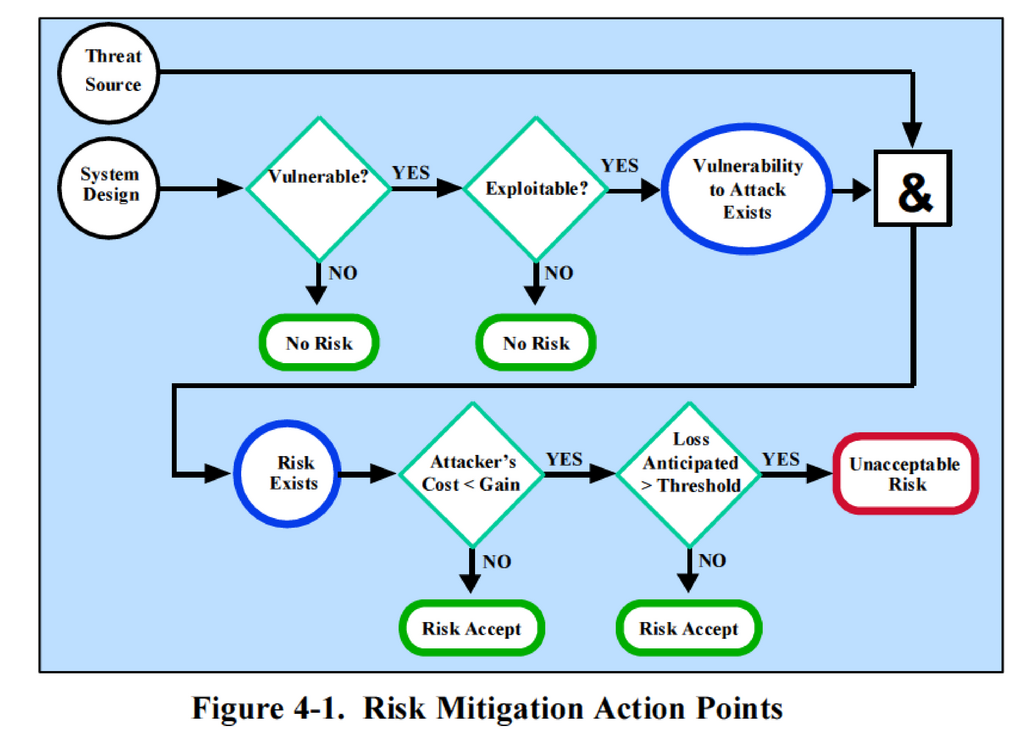
The point of this exercise is not to make you paranoid. It's the opposite. By mapping your risks, you can prioritise. You don't need Fort Knox security for every single account. A 'Security Mindset' means applying the right level of protection to the right asset.
Ask yourself: What's the impact if this asset is compromised?
- Low Impact: A password for a news site is leaked. The consequence is minimal. Maybe you get some spam.
- Medium Impact: Your social media account is taken over. This is embarrassing and damaging to your reputation, requiring significant effort to fix.
- High Impact: Your primary email or online banking is breached. This is critical. The attacker can impersonate you, access your finances, and take over your entire digital life.
This simple impact analysis lets you focus your energy. A strong, unique password and two-factor authentication are non-negotiable for high-impact assets. For low-impact ones, a password manager can handle generating unique, but perhaps less complex, passwords.
Think Like an Attacker: Knowing how hackers exploit vulnerabilities helps you better defend against them.
Security anxiety comes from feeling overwhelmed and powerless. A security mindset, built on threat modelling, gives you a clear, actionable plan. You accept that risk can't be eliminated, only managed. You know what your crown jewels are, and you protect them accordingly.
Ready to test your understanding of these concepts?
What is the primary goal of personal threat modelling?
Which of the following best represents a digital asset in the "Identity & Reputation" category?
By categorising your assets and potential adversaries, you can build a defence that is both effective and manageable.