Har Gobind Khorana
Khorana's Early Research
From Dyes to DNA
Every scientific breakthrough has a backstory. For Har Gobind Khorana, the journey to deciphering the genetic code didn't start in a biology lab, but with the precise, methodical world of organic chemistry. After earning his PhD in Liverpool, Khorana's path took him to Zurich in 1948. There, he worked under , a master of chemical synthesis.
In Prelog’s lab, Khorana honed his skills, working on the chemistry of alkaloids—complex compounds found in plants. This work had little to do with genetics. However, it gave him an unparalleled command of building intricate molecules from simple starting materials. This expertise in synthesis would soon become his greatest asset.
Building the Backbones
The real pivot came in 1952 when Khorana moved to Vancouver to work at the British Columbia Research Council. With a small lab and limited funding, he made a daring decision: to apply his organic chemistry skills to the emerging field of biochemistry. He set his sights on nucleic acids, the stuff of genes.
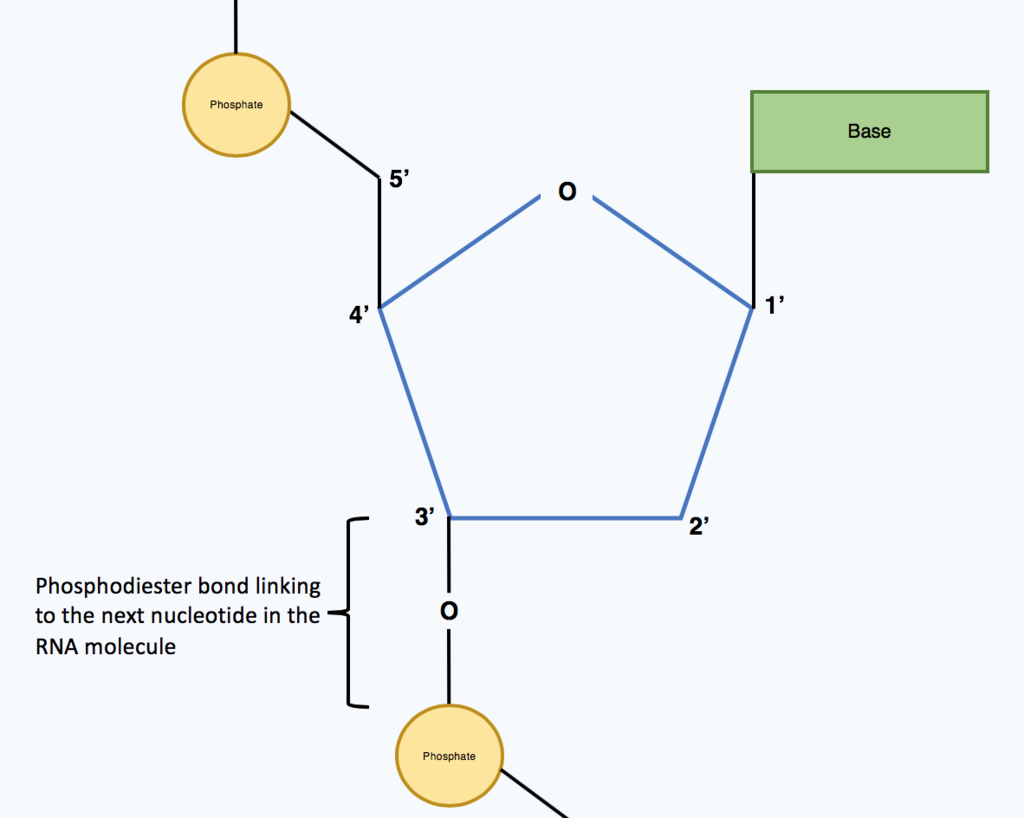
At the time, the structure of DNA had just been unveiled, but no one knew how to build it in a lab. The main challenge was finding a reliable way to link individual nucleotides—the building blocks of DNA and RNA—into long chains. The key was forming stable phosphate ester bonds. Khorana's breakthrough was the development of the carbodiimide method, a novel chemical technique that used a specific class of reagents to efficiently join a phosphate group to a sugar, forming the crucial phosphodiester bond that creates the backbone of a nucleic acid.
This wasn't just a minor improvement; it was a revolution. The carbodiimide method gave scientists precise control over nucleotide polymerization for the first time. Using this tool, Khorana successfully synthesized several small but vital biological molecules, including coenzyme A, a molecule central to metabolism. He was no longer just studying life's chemistry; he was actively building it.
A New Perspective on Biology
Khorana was an expert on the chemical synthesis of proteins and nucleic acids.
Khorana's background gave him a unique point of view. While many biologists were trying to understand life by taking it apart, Khorana approached it from the opposite direction: synthesis. He believed that if you could build a biological molecule from scratch, you could truly understand its function. This philosophy—that "chemical synthesis can be used to help solve biological problems"—was radical at the time.
His early work in Vancouver, particularly the development of robust methods for synthesizing nucleotides, laid the essential technical foundation for everything that followed. It provided the tools he would later use to construct the first artificial gene and ultimately crack the genetic code, proving that the language of life could be written, not just read.