Haptic Gloves and VR Immersion
Introduction to Haptic Technology
Feeling the Virtual World
Virtual reality is great at tricking our eyes and ears. We can see fantastical worlds and hear sounds that aren't really there. But what about our sense of touch? Without it, the virtual world feels incomplete. You can see a button, but you can't feel the satisfying click when you press it. You can swing a virtual sword, but it feels weightless in your hand. This is where haptic technology comes in.
haptics
noun
The science and technology of transmitting and understanding information through the sense of touch.
Haptics adds the physical dimension to digital experiences. It's the reason your phone buzzes when you get a notification or your game controller rumbles when your car crashes. In VR, it's the key to making interactions feel real and intuitive. By simulating touch, haptics bridges the gap between our physical selves and the digital environment, making the experience more immersive and believable.
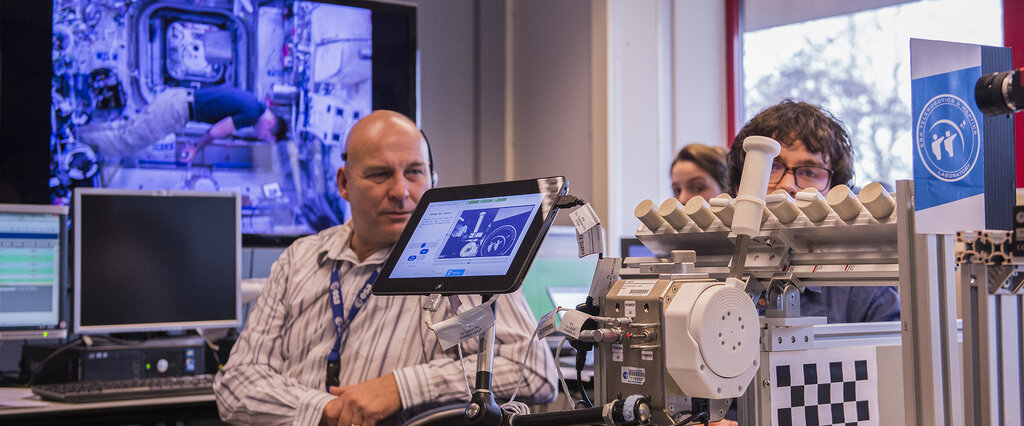
Two Kinds of Digital Touch
Haptic feedback isn't a single sensation. It's a range of feelings that can be broken down into two main categories: tactile feedback and force feedback. They work together to create a convincing illusion of touch.
Tactile feedback is about what you feel on your skin. Think about textures, vibrations, or even temperature changes. It’s the subtle sensation of rain on your virtual hands or the rough surface of a virtual brick wall.
Force feedback is about resistance and motion. It simulates weight, impact, and pushback. This is what lets you feel the tension in a virtual slingshot, the weight of a virtual rock, or the resistance of pushing a heavy virtual door. While tactile feedback tells you about the surface of an object, force feedback tells you about its substance and how it behaves in the world.
How It Works
Creating these feelings requires a conversation between you and the virtual world. This conversation is handled by two types of components: sensors and actuators.
Sensors are the listeners. They track your body's position, movements, and the amount of force you exert. When you reach out to touch a virtual object, sensors tell the system exactly where your hand is and how it's moving.
Actuators are the speakers. Once the system knows what you're doing, actuators generate the physical sensations. They are the tiny motors that vibrate to create texture, or the larger systems that push against your hand to simulate resistance.
This constant loop—sensors detecting your action, the system processing it, and actuators providing feedback—is what makes virtual touch possible.
From Flight Simulators to VR
The idea of haptics isn't new. One of the first major uses was in aviation. In the 1950s, engineers developed complex flight simulators for training pilots. These simulators used mechanical systems to provide force feedback on the controls, mimicking the feel of a real aircraft under different conditions.
Early VR research in the 1980s and '90s also explored haptics, but the hardware was bulky, expensive, and complex. Think large robotic arms that a user would have to manipulate. As technology has become smaller, cheaper, and more powerful, haptics have moved from specialized labs into consumer devices. The rumble in a game controller from the late '90s was a simple but important step, bringing a basic form of haptics into millions of homes.
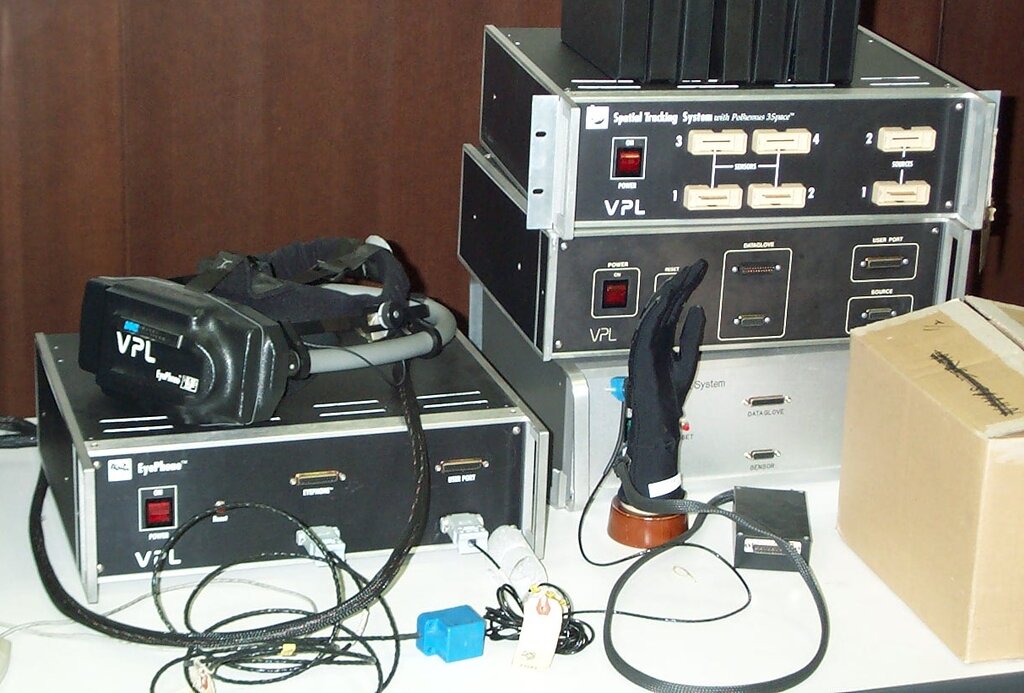
Today, the evolution continues. Modern VR controllers contain sophisticated actuators capable of producing a wide range of subtle vibrations and effects. The quest to perfectly simulate touch is a driving force in making virtual worlds feel truly real.
What is the primary role of haptic technology in virtual reality?
Feeling the weight of a virtual object or the resistance of pushing a heavy door is an example of ______ feedback.