Hans Zimmer Film Score Secrets
Hans Zimmer's Musical Foundations
From Pop to Pictures
Before he was a titan of film scoring, Hans Zimmer was a synth-pop pioneer. In the late 1970s and early 80s, he played keyboards and synthesizers for bands like Ultravox and The Buggles. He even appears in the music video for The Buggles' massive hit, "Video Killed the Radio Star"—the very first video ever played on MTV.
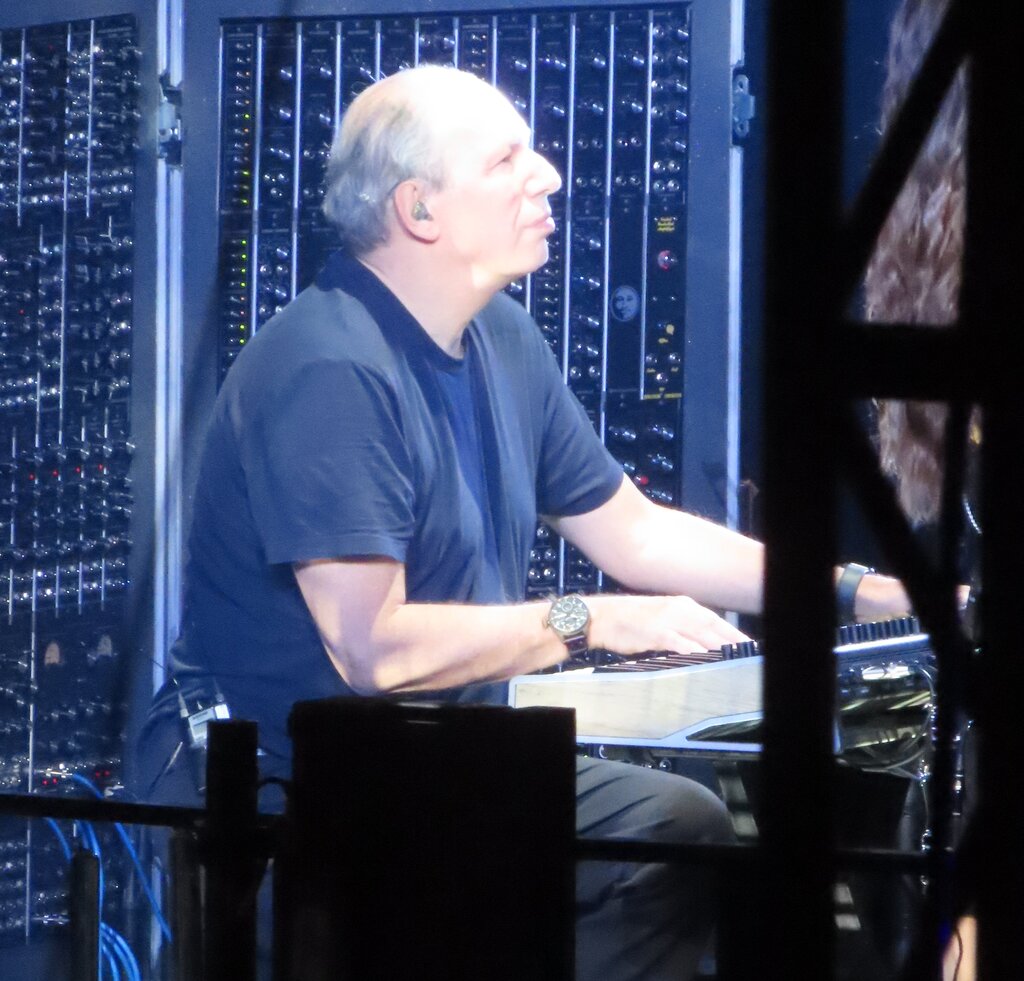
This background in pop music was unusual for a future film composer. Most came from a world of classical training and orchestral tradition. Zimmer, however, learned about hooks, rhythm, and creating an immediate emotional impact through concise, powerful melodies. He spent years crafting three-minute pop songs, not sprawling symphonies.
His big break came when he was asked to work on the score for the 1988 film Rain Man. Instead of a traditional orchestral score, Zimmer used synthesizers and steel drums to create a sound that was fresh, modern, and perfectly captured the film's road-trip atmosphere. The score won an Academy Award nomination and announced a new voice in Hollywood.
A Self-Taught Maverick
Zimmer's approach to composition is deeply rooted in the fact that he is largely self-taught. He had a few piano lessons as a child but found the formal structure stifling. His real education came from experimenting with electronics, taking apart pianos to see how they worked, and spending countless hours with synthesizers.
Instead of starting with notes on a page, Zimmer starts with sound. He builds worlds of texture and atmosphere first, then finds the melody within them.
This lack of formal training became his greatest strength. He wasn't bound by the traditional rules of orchestration and harmony. He didn't think in terms of what an orchestra was supposed to do; he thought in terms of the sound he wanted to create. This freedom led him to blend electronic sounds with live instruments in ways no one had before, creating the hybrid orchestral-electronic style he is famous for.
A World of Influences
Zimmer's musical palette is incredibly broad. His German heritage exposed him to European classical and electronic music, from Beethoven to Kraftwerk. At the same time, he was deeply influenced by rock and roll energy. This blend is often audible in his scores, which can pair a delicate string melody with a thunderous, driving beat.
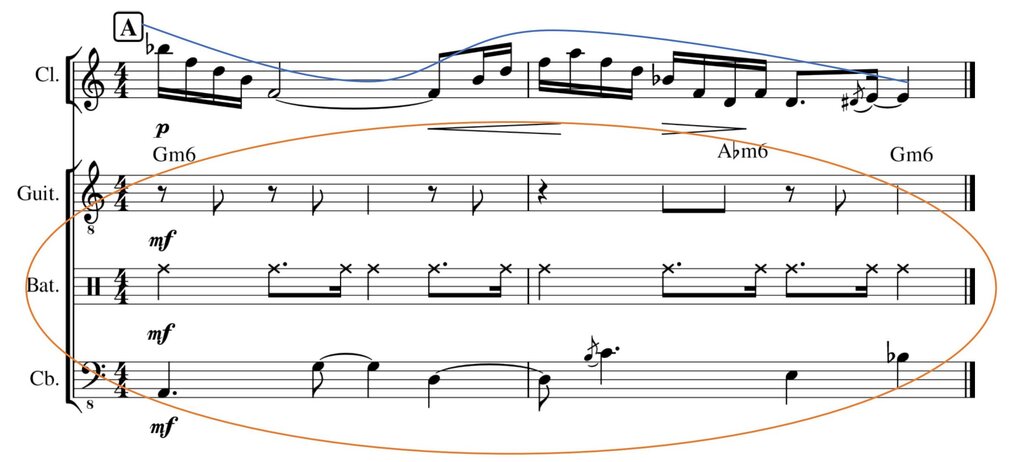
Furthermore, he has a deep appreciation for world music. For The Lion King, he collaborated with South African vocalist and composer Lebo M. to infuse the score with authentic African rhythms and chants. For Gladiator, he drew on North African and Middle Eastern musical traditions. This willingness to look beyond the Western orchestra gives his music a global, timeless quality. He doesn't just write music; he builds sonic landscapes from a vast library of global sounds.
Let's review the key elements of Zimmer's background before we test your knowledge.
Ready to see what you've learned?
Before becoming a famous film composer, Hans Zimmer was involved in what genre of music during the late 1970s and early 80s?
Hans Zimmer can be seen playing keyboards in the music video for "Video Killed the Radio Star," the first video ever played on MTV.
These early experiences—a foundation in pop, a rebellious self-taught spirit, and a world of diverse influences—are the building blocks of Hans Zimmer's revolutionary sound.