Hanging Shelves on Interior Walls
Wall Materials
What's That Wall Made Of?
Before you hang a heavy mirror or install new bookshelves, you need to know what your wall is made of. Different materials require different approaches. Pushing a simple thumbtack into the wall is a good first test. If it goes in easily, you likely have drywall. If it meets hard resistance, you're probably dealing with plaster, masonry, or concrete. Let's look at the most common types you'll find in a home.
The Modern Standard: Drywall
Most homes built since the 1950s use drywall. It’s essentially a sandwich: a layer of gypsum plaster pressed between two thick sheets of paper. These large panels, often 4x8 feet, are screwed directly onto the wooden or metal studs that frame the house. The seams between panels are then covered with joint compound (or “mud”) and tape, creating a smooth, seamless surface ready for paint.
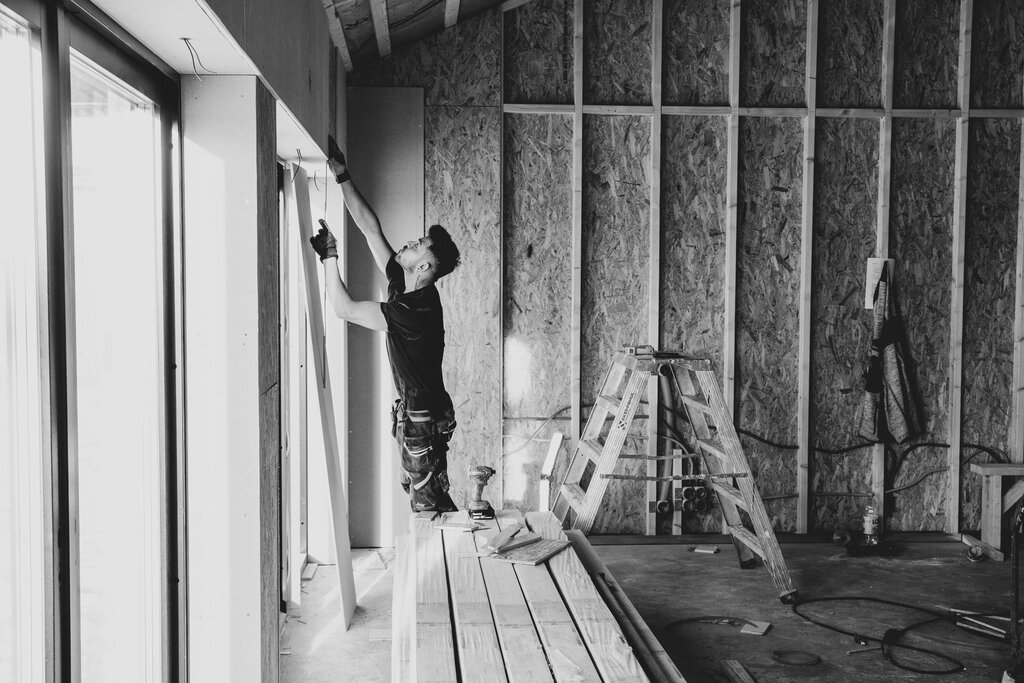
Because it's a panel system, drywall has a distinctly hollow sound when you knock on it, except where it's backed by a stud. The surface is relatively soft and can be dented or pierced without much force. It’s the most common and versatile interior wall material today.
Old-School Solid: Plaster
If your home was built before World War II, you might have plaster walls. Unlike drywall panels, plaster was applied wet. Builders would first create a backing called a lath, which was a grid of thin wooden strips or metal mesh nailed to the wall studs.
Several coats of plaster were then troweled onto the lath. The wet plaster would ooze through the gaps and harden, creating “keys” that held it firmly in place. This process resulted in a thick, durable, and continuous wall surface.
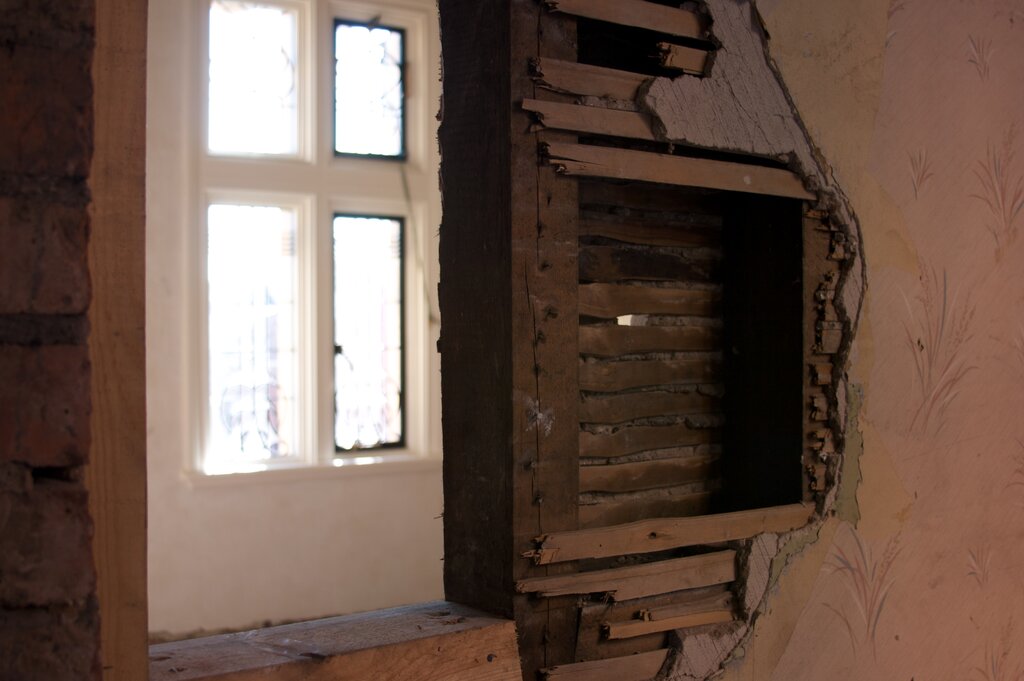
Plaster feels much harder and more solid than drywall. A knock on a plaster wall produces a dull thud, not a hollow echo. The surface might have slight waves or imperfections from the hand-troweling process. While very strong, plaster can be brittle and may crack or crumble if you try to drill into it without care.
Brick and Block
Masonry walls are built from individual units, like bricks or concrete blocks, bound together with mortar. While they usually form the exterior structure of a building, they are sometimes left exposed on the inside for a rustic or industrial look. You’ll often find them in converted lofts, basements, or as a feature wall around a fireplace.
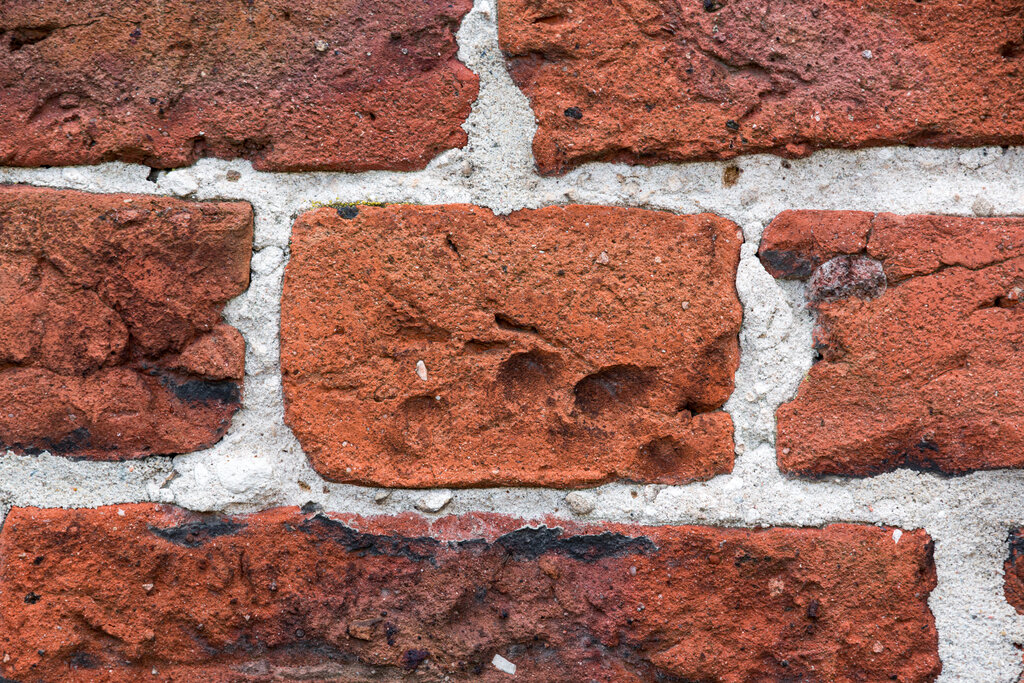
Identifying a masonry wall is straightforward. You can see the distinct pattern of the bricks or blocks and the mortar lines between them. These walls are extremely hard, dense, and provide excellent sound insulation. There’s no mistaking the rock-solid feel when you knock on one.
Industrial Strength: Concrete
Concrete walls are typically found in basements, garages, and modern buildings with an industrial aesthetic. They are either poured into forms as a solid slab or built with precast panels. Concrete is one of the strongest and most durable building materials available.
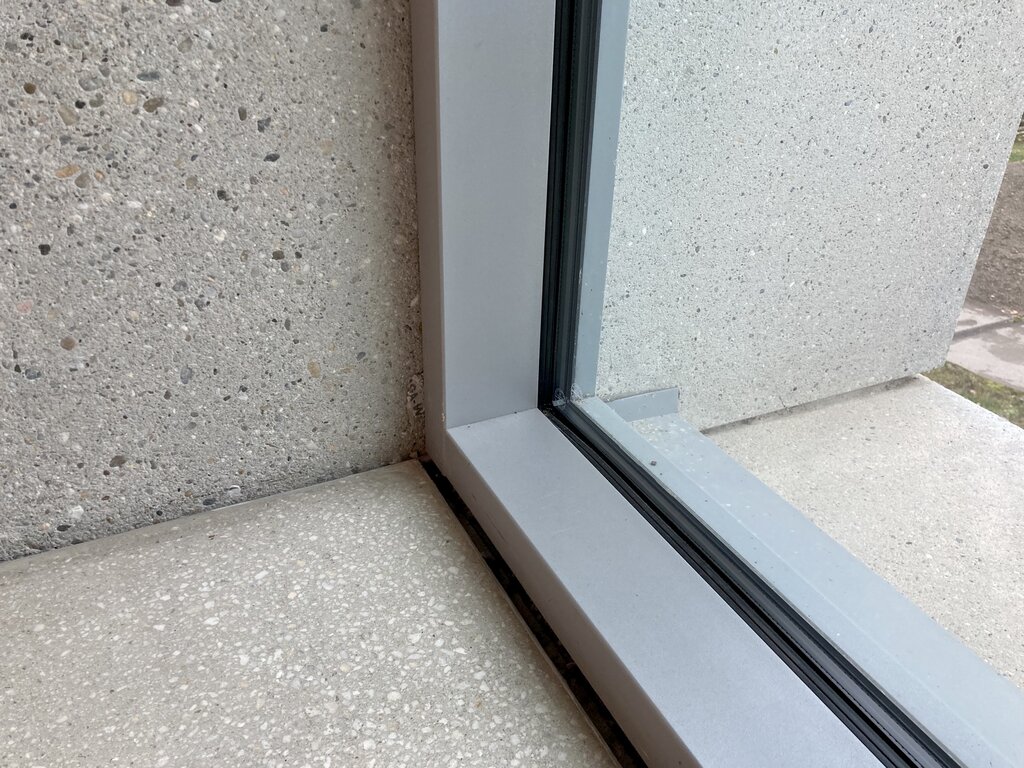
A concrete wall is unmistakable. It’s incredibly hard, dense, and often cool to the touch. It has a uniform, typically gray appearance, although it can be painted or polished. Knocking on it is like knocking on a sidewalk—it’s completely solid. Trying to push a tack into a concrete wall is impossible.
You knock on a wall and hear a distinctly hollow sound between the studs. What type of wall is it most likely?
In older homes built before World War II, what was the grid-like structure of wood or metal mesh used as a backing for plaster called?
Knowing your wall type is the first step in any project that involves mounting something. Each one has its own personality, and now you can tell them apart.