Hand Sewing and Finishing in Clothing Production
Hand Sewing Basics
Your Sewing Toolkit
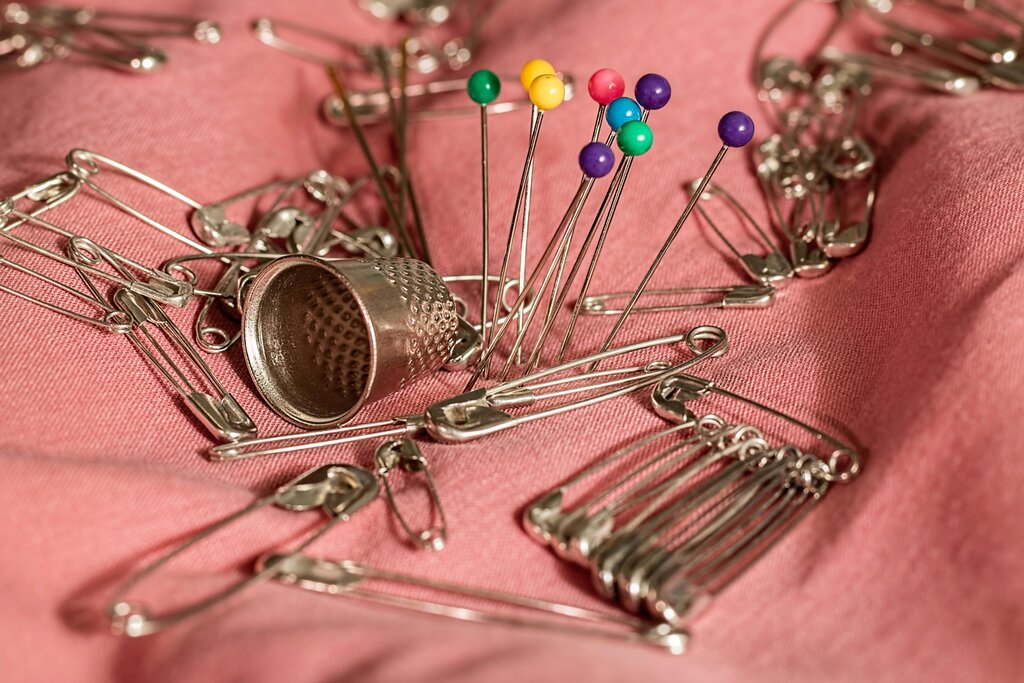
Before you make your first stitch, you'll need a few basic tools. Hand sewing doesn't require much, but the right gear makes all the difference.
Needles: These come in various sizes. A good starting point is a pack of "sharps," which are medium-length all-purpose needles. The number on the package indicates the size; a smaller number means a larger, thicker needle, while a larger number means a finer one. Choose a needle that can pierce your fabric easily without leaving a large hole.
Thread: The general rule is to match your thread to your fabric. Cotton thread works well for cotton fabric, and polyester thread is a strong, versatile choice for most synthetics and blends. Try to pick a thread color that matches your fabric, unless you want the stitches to be a decorative feature.
Thimble: This small cap protects your finger as you push the needle through the fabric. It might feel awkward at first, but using a thimble saves your finger from soreness, especially when working with thick materials.
Getting Started
With your tools ready, it's time to prepare your needle and thread. Start by cutting a length of thread. A good rule of thumb is to use a piece about the length of your forearm, from your fingertips to your elbow. This is long enough to sew a decent amount but not so long that it gets tangled.
Next, thread the needle. If you have trouble seeing the needle's eye, hold a piece of white paper behind it to create contrast. Guide one end of the thread through the eye.
Pro tip: To make threading easier, snip the end of the thread with sharp scissors for a clean edge. Some people also find it helpful to slightly moisten the tip.
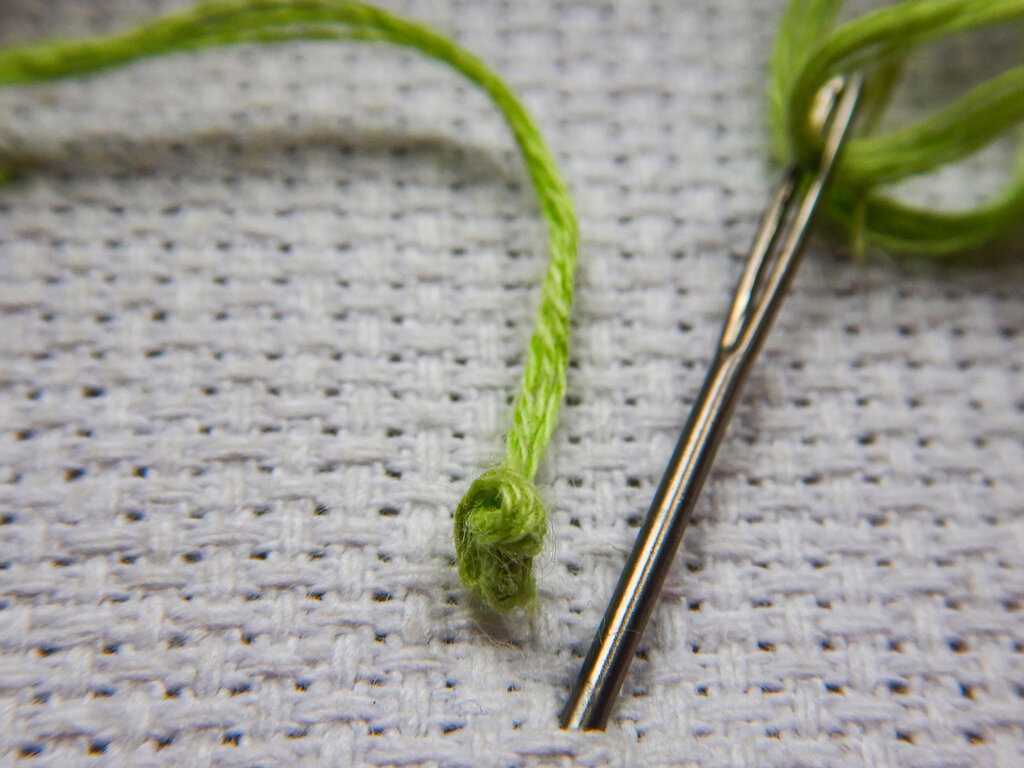
Once the needle is threaded, you'll need to tie a knot at the end of the long tail of the thread. This anchor stop the thread from pulling all the way through the fabric when you make your first stitch. A simple way to do this is to wrap the end of the thread around your index finger once or twice, roll the loop off with your thumb, and then pull the tail to tighten the resulting knot.
Three Essential Stitches
Mastering just a few basic stitches will allow you to handle most simple sewing projects and repairs. Let's walk through three of the most fundamental: the running stitch, the backstitch, and the whipstitch.
Running Stitch
noun
A simple stitch made by passing the needle in and out of the fabric at regular intervals.
The running stitch is the simplest of all stitches. To make it, you just weave the needle in and out of the fabric in a straight line. You can make several stitches on the needle before pulling it all the way through. The key is to keep your stitches and the spaces between them as even as possible for a neat appearance.
This stitch is perfect for creating temporary seams (called basting) or for gathering fabric to create ruffles.
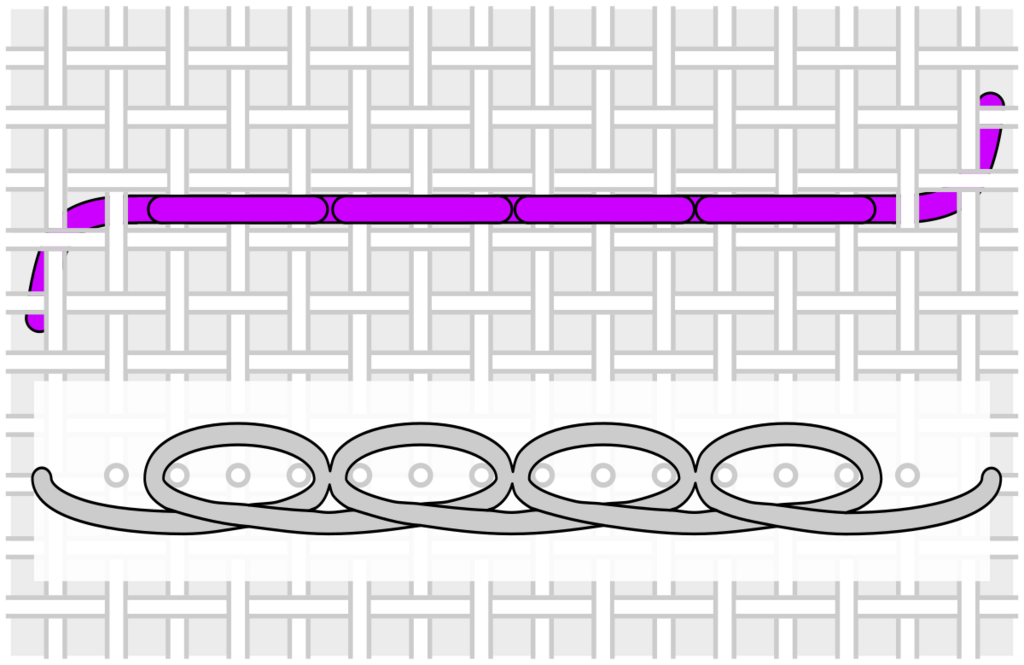
Next is the backstitch. This is a strong, reliable stitch that looks much like a machine stitch on the top side. It’s excellent for durable seams that need to hold up to stress, like on clothing or bags.
If you are sewing by hand, then the best hand stitch is the backstitch.
To create a backstitch:
- Bring the needle up through the fabric from the back at your starting point.
- Take a small stitch backward from where the thread emerged.
- Bring the needle up again a short distance in front of your first stitch.
- Then, bring the needle back down into the same hole at the end of the previous stitch.
This backward-then-forward motion creates a solid, connected line of thread on the surface.
Finally, the whipstitch is used to join two edges of fabric, especially for hemming or closing up seams on stuffed items like pillows. It creates a series of small, diagonal stitches that wrap around the edge of the fabric.
To make a whipstitch, hold the two fabric edges together. Push the needle through both layers from back to front. Then, loop the thread over the top edge and repeat the stitch a short distance away. Continue in this way, keeping your stitches small and evenly spaced.
The whipstitch is fast, easy, and effective for finishing edges and creating nearly invisible closures.
When selecting a sewing needle, what does a smaller size number (e.g., a size 1 vs. a size 9) indicate?
You are repairing a seam on a backpack strap that needs to be very strong and durable. Which stitch would be the best choice?
These three stitches form the foundation of hand sewing. With a little practice, you'll be able to tackle a wide variety of projects and repairs.