Haloalkanes and Haloarenes
Introduction to Haloalkanes and Haloarenes
Halogens Join the Party
Imagine a simple hydrocarbon, like methane () or benzene (). Now, swap one of its hydrogen atoms with a halogen atom—fluorine (F), chlorine (Cl), bromine (Br), or iodine (I). What you get is a haloalkane or a haloarene.
That's the core idea. Haloalkanes are derived from alkanes (hydrocarbons with single bonds), and haloarenes are derived from arenes (aromatic hydrocarbons like benzene). The prefix "halo" simply signals the presence of a halogen.
Chemists often use a shorthand to represent them.
For haloarenes, the shorthand is similar, but we specify that the halogen is attached to an aromatic ring.
Sorting Them Out
We can classify these compounds in a few ways. The first is straightforward: just count the halogen atoms.
| Number of Halogens | Prefix | Example Name |
|---|---|---|
| One | mono- | Monochloromethane |
| Two | di- | Dichloromethane |
| Three | tri- | Trichloromethane |
A more useful classification, however, is based on the carbon atom that's bonded to the halogen. For haloalkanes, we look at how many other carbon atoms are attached to that specific carbon. This gives us three categories: primary, secondary, and tertiary.
This distinction is crucial because the reactivity of the haloalkane heavily depends on whether it's primary, secondary, or tertiary. In haloarenes, the situation is simpler: the halogen is directly attached to a carbon atom within the aromatic ring.
Why They Matter
So, why dedicate time to these compounds? Because they are incredibly useful and show up everywhere. Their applications span medicine, agriculture, and industry.
In medicine, halogenated compounds are used as anesthetics. Halothane, for instance, was a widely used inhalation anesthetic for many years.
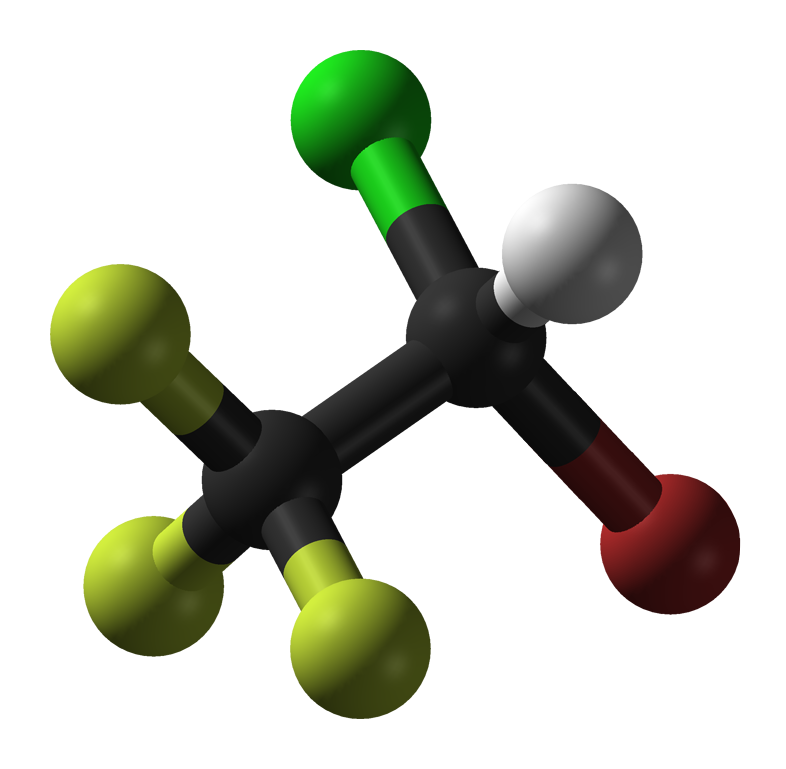
In agriculture, they've been used as powerful insecticides. The infamous DDT (dichlorodiphenyltrichloroethane) is a haloarene that was effective at killing mosquitoes and preventing malaria, though its environmental impact led to a ban in many countries.
Industrially, they are workhorses. Many are excellent solvents for nonpolar substances, which is why they're used in dry cleaning and for degreasing machinery. Others, like the chlorofluorocarbons (CFCs or "Freons"), were once essential as refrigerants and aerosol propellants before scientists discovered their harmful effect on the ozone layer.
They also serve as crucial starting materials, or precursors, for synthesizing a vast array of other organic molecules. Their unique reactivity makes them a versatile tool in the organic chemist's toolbox.
From life-saving drugs to industrial solvents, haloalkanes and haloarenes play a significant role in modern life, making them a fundamental topic in organic chemistry.
Now, let's check your understanding of these foundational concepts.
What is the primary structural difference between a haloalkane and a haloarene?
A haloalkane is classified as 'secondary' based on what feature?
Understanding these basic classifications and their importance is the first step toward mastering the chemistry of these versatile compounds.