Hallucination Archaeologist AI Analysis
Understanding AI Confabulation
When AI Makes Things Up
Artificial intelligence can write essays, generate code, and even create art. But sometimes, it confidently states things that are completely wrong. This isn't a bug in the traditional sense; it's a known behavior called confabulation, or more popularly, hallucination.
Confabulation
noun
In AI, the generation of false or nonsensical information that is presented as factual. The model isn't intentionally lying but is producing text that is statistically plausible based on its training data, even if it's not true.
Think of it like a very eager student who hasn't done all the reading but still wants to answer the teacher's question. Instead of admitting they don't know, they piece together fragments of what they do know to construct an answer that sounds convincing. The result might be coherent, but it's not accurate.
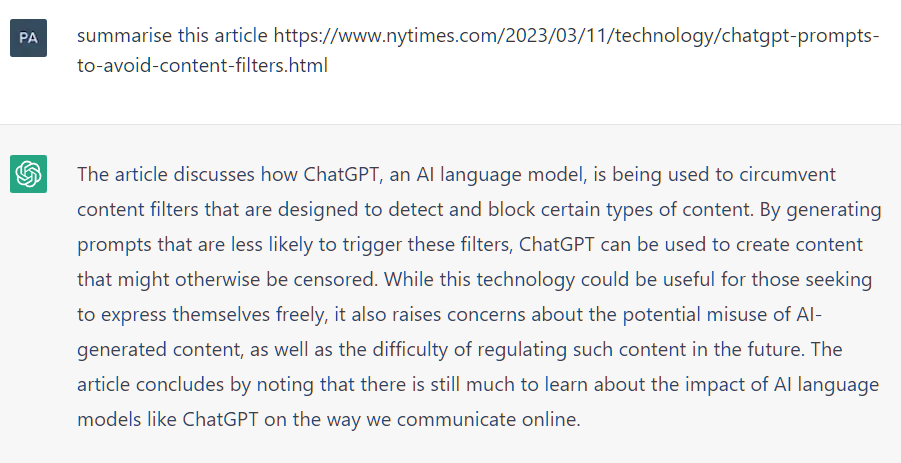
For example, you could ask an AI model to summarize a news article by giving it a link. The AI might provide a detailed, well-written summary, complete with quotes and analysis. The only problem? The link was fake, and the article never existed. The AI simply invented a plausible-sounding summary.
Why Does It Happen?
AI models, especially Large Language Models (LLMs), don't "understand" information the way humans do. They are incredibly complex pattern-matching machines. They are trained on vast amounts of text and data from the internet, and their primary goal is to predict the next most likely word in a sequence.
When a model generates a response, it's stringing together words that, based on its training, have a high probability of appearing together. This process works remarkably well for creating fluent, human-sounding text. However, the model has no internal fact-checker or concept of truth. Its goal is plausibility, not accuracy.
Confabulations occur when the patterns lead the model down a factually incorrect path. This can happen for a few reasons:
- Gaps in Training Data: If the AI is asked about a topic it hasn't been trained on extensively, it might fill in the gaps with invented details.
- Conflicting Information: The internet is full of contradictions. The AI may blend conflicting sources into a single, incorrect statement.
- Complex Prompts: Vague or overly complex questions can confuse the model, leading it to generate a response that's grammatically correct but factually wrong.
An AI's priority is to create a response that looks right based on patterns it has learned. Verifying if that response is actually true is a separate, much harder problem.
The Real-World Impact
AI confabulations might seem harmless when you're just asking a chatbot for a poem, but they have serious implications in high-stakes fields. Imagine a lawyer using an AI for legal research. If the AI invents fake legal precedents, a case could be built on a nonexistent foundation.
In medicine, an AI that confabulates a diagnosis or treatment plan could lead to patient harm. In journalism, AI-generated articles with subtle falsehoods could spread misinformation at an unprecedented scale.
However, challenges persist, particularly the occurrence of "hallucinations" in AI models, where they generate inaccurate or misleading information, undermining their reliability in legal contexts.
This is why addressing confabulation is a central challenge for AI developers and users. As we integrate AI more deeply into our lives and work, being able to trust its output is crucial. Without reliability, the utility of these powerful tools is severely limited.
Understanding this limitation is the first step toward responsible AI use. It means treating AI-generated content not as gospel, but as a first draft that requires human verification and critical thinking.

Time to review the key term from this section.
Now, let's check your understanding.
What is the best definition of AI confabulation, or hallucination?
According to the text, what is the primary goal of a Large Language Model (LLM) when it generates a response?
Confabulation highlights a key truth about modern AI: it's a powerful assistant, not an all-knowing oracle. Recognizing its potential to invent information is essential for using it safely and effectively.