Hacking Perception
Introduction to Perception
Making Sense of the World
Your brain is constantly bombarded with information. Light, sound, smells, textures—it all flows in through your senses. But you don't experience this as a chaotic jumble of raw data. Instead, you see a friend's face, hear a favorite song, and feel the warmth of the sun. This process of organizing and interpreting sensory information is called perception.
perception
noun
The process of recognizing and interpreting sensory stimuli.
Perception isn't just about passively receiving information. It's an active, creative process. Your brain takes the bits and pieces of data from your senses and constructs a meaningful whole. It's the difference between simply detecting light waves and recognizing them as a red stop sign.
From Sensation to Interpretation
The journey begins with sensation—the initial detection of a stimulus by a sensory organ. Your eyes detect light, your ears detect sound waves, and your skin detects pressure. These organs act as gateways, converting external energy into neural signals the brain can understand.
Think of your sensory organs as specialized reporters. Each one is designed to pick up a specific type of information from the environment:
- Eyes: Detect electromagnetic radiation (light).
- Ears: Detect vibrations in the air (sound).
- Nose: Detects chemical molecules in the air (smell).
- Tongue: Detects chemical molecules in food (taste).
- Skin: Detects pressure, temperature, and pain.
Once a stimulus is detected, the sensory organ converts it into an electrical signal. This is the language of the nervous system. The signal is now ready to travel to the brain for the next step: interpretation.
The Brain's Construction Crew
The electrical signals from your senses travel along dedicated neural pathways to different parts of your brain. For instance, signals from your eyes go to the visual cortex at the back of your brain, while signals from your ears go to the auditory cortex on the sides.
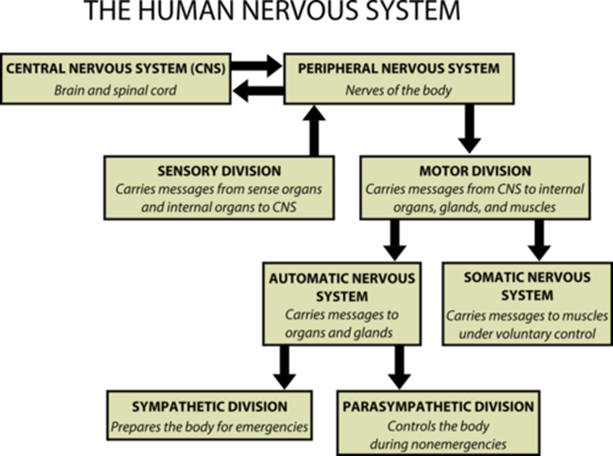
Here's where the magic happens. The brain doesn't just receive these signals; it actively works with them. It compares the new information to past experiences, considers the context, and fills in any missing gaps. It searches for patterns, organizes the data, and ultimately produces your conscious experience of the world.
This process is incredibly fast and happens outside of your awareness. Your brain constructs your perception of reality in real-time.
Perception vs. Reality
This leads to a crucial point: your perception is not a perfect, objective recording of reality. It's a subjective interpretation, a model of the world created by your brain. It's like a news report, not a raw satellite feed. The report is based on facts (sensory data), but it's edited and framed to make sense.
We don't see the world as it is, we see it as we are.
This is why two people can witness the exact same event but perceive it differently. Their brains use different past experiences and expectations to interpret the same sensory input. Your perception is your unique reality, constructed from the raw materials of sensation.