Habits for Business Launch Success
Understanding Habit Formation
The Science of Habits
A habit is a behavior that starts as a choice and then becomes a subconscious pattern. Think about brushing your teeth or driving to work. You probably don't consciously decide on every single step; you just do it. Your brain automates these regular actions to save energy. Instead of actively deliberating over every small task, it can run these familiar scripts in the background, freeing up mental resources for new challenges and complex problems.
Habit
noun
An acquired behavior pattern regularly followed until it has become almost involuntary.
This process of automation isn't just a psychological trick. It has a physical basis in our brains.
Your Brain on Autopilot
When you first perform a new action, your prefrontal cortex, the brain's center for conscious decision-making, is highly active. It's working hard to figure out the best course of action. But as you repeat the behavior in the same context for the same reward, the brain starts to hand off the work to a different region: the basal ganglia.
The basal ganglia are a group of structures deep inside the brain that play a key role in motor control, learning, and, most importantly, habit formation. As a behavior becomes a habit, the brain activity shifts from the deliberate prefrontal cortex to the automatic basal ganglia. The brain essentially encodes the sequence of actions as a single chunk of behavior. When the right trigger appears, the basal ganglia just hits 'play' on that chunk.
This neurological shortcut is why trying to consciously stop a bad habit can be so difficult. You're fighting against a deeply ingrained, energy-efficient pathway your brain prefers to use.
The Habit Loop
Psychologists and neurologists have identified a simple framework that governs every habit: the habit loop. This three-step process is the engine that drives our automatic behaviors. Understanding it is the first step to recognizing the habits in your own life.
The loop consists of three parts:
-
Cue: This is the trigger that tells your brain to go into automatic mode and which habit to use. Cues can be almost anything: a time of day, a specific location, an emotional state, the presence of certain people, or a preceding action.
-
Routine: This is the behavior itself, which can be physical, mental, or emotional. It's the action you take when prompted by the cue. This is the part of the habit we tend to focus on, like grabbing a cookie or opening a social media app.
-
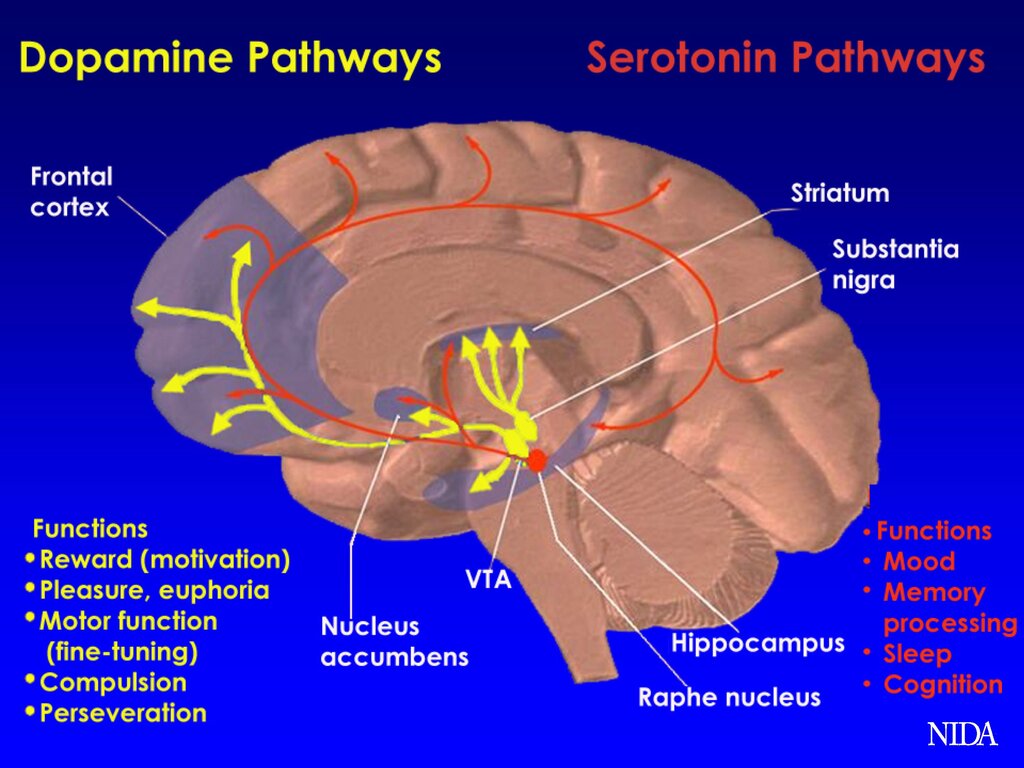
Reward: This is what helps your brain figure out if this particular loop is worth remembering for the future. The reward satisfies a craving and creates a positive feeling. The brain chemical dopamine is heavily involved here, creating a sense of pleasure that reinforces the connection between the cue and the routine.
When a cue and reward become intertwined, a powerful sense of anticipation and craving emerges. This is what locks the habit in place.
Over time, this loop becomes more and more automatic. The cue and reward become neurologically linked until a powerful sense of craving emerges whenever the cue is present. It’s this craving that powers the habit loop and makes behaviors stick.
Every habit you have, good or bad, follows this same basic pattern. By understanding these components, you gain insight into why you do what you do. This foundational knowledge is the key to analyzing and eventually shaping your own behaviors.