Habit Formation Systems
Understanding Habits
The Invisible Architecture of Your Day
Think about your morning. Did you roll out of bed, head to the bathroom, and brush your teeth? Did you make coffee or tea? You probably did these things without much conscious thought. These automatic behaviors are habits.
Habit
noun
A routine of behavior that is repeated regularly and tends to occur subconsciously.
Habits are mental shortcuts. They are actions our brain has learned to perform on autopilot to save energy. From the way you tie your shoes to the route you take to work, habits govern a surprising amount of your daily life. They are the small, repeated actions that, over time, shape who you are and what you achieve.
The Habit Loop
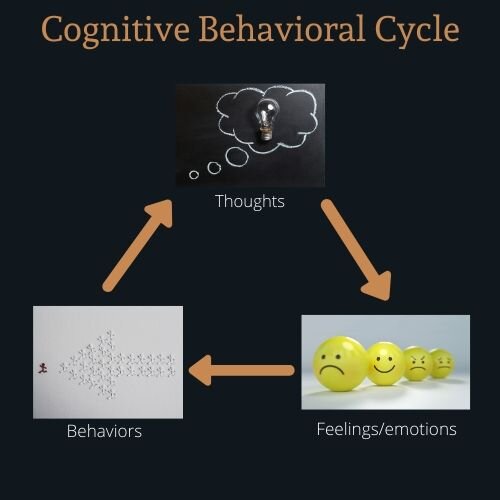
So how does a behavior become automatic? It happens through a simple neurological process called the habit loop. This three-step cycle is the engine of every habit.
1. Cue: This is the trigger that tells your brain to go into automatic mode and which habit to use. A cue could be a time of day, a location, an emotional state, or the action that just came before.
2. Routine: This is the behavior itself, whether it's physical, mental, or emotional. It's the action you take after the cue.
3. Reward: This is the payoff. The reward helps your brain figure out if this particular loop is worth remembering for the future. It provides a feeling of satisfaction or solves a problem.
For example, your phone buzzing (the cue) triggers you to check your notifications (the routine), which gives you a small hit of social connection (the reward). This loop reinforces the habit of checking your phone constantly.
How Habits Take Root
A habit isn't formed overnight. It takes root through two key ingredients: repetition and context.
Every time you repeat the habit loop, the connection between the cue, routine, and reward gets stronger in your brain. The behavior becomes faster, more efficient, and more automatic. Think of it like creating a path in a field. The first time you walk it, you're just treading on grass. But the more you walk the same path, the more defined and easier to follow it becomes.
Habits can arise through repetition.
Context is just as important. Our environment is filled with cues. The couch in your living room might be a cue to watch TV. The office kitchen might be a cue to get a coffee. The specific time, place, and circumstances surrounding a behavior play a huge role in triggering it. This is why it can be hard to maintain new habits when you travel or your routine is disrupted. The familiar cues that trigger your habits are gone.
Why Habits Matter
The main benefit of habits is efficiency. By putting common actions on autopilot, our brains free up mental energy to focus on new challenges, solve complex problems, and be creative. Imagine if you had to consciously think through every single step of getting dressed or making breakfast each day. You'd be exhausted before you even left the house.
But their impact goes deeper. Small, consistent habits compound over time, leading to significant results.
Habits Are the Compound Interest of Self-Improvement
A daily reading habit of just 15 minutes can lead to reading dozens of books a year. A habit of saving a small amount from each paycheck can grow into a substantial nest egg. Conversely, small negative habits, like eating junk food every afternoon, can lead to poor health over time.
Understanding how habits work is the first step to recognizing the invisible forces that guide your day. They are the foundation upon which a productive, healthy, and fulfilling life is built.
Let's check your understanding of these core concepts.
What are the three components of the neurological process called the habit loop?
Your phone buzzes with a notification (cue), so you pick it up and scroll through social media (routine). To make this a stronger habit loop, what element is most crucial?
By recognizing the cues, routines, and rewards in our lives, we can begin to see the underlying structure of our own behavior.