Gut Microbiota TMAO and Homocysteine in Heart Health
Gut Microbiota Basics
Your Inner Ecosystem
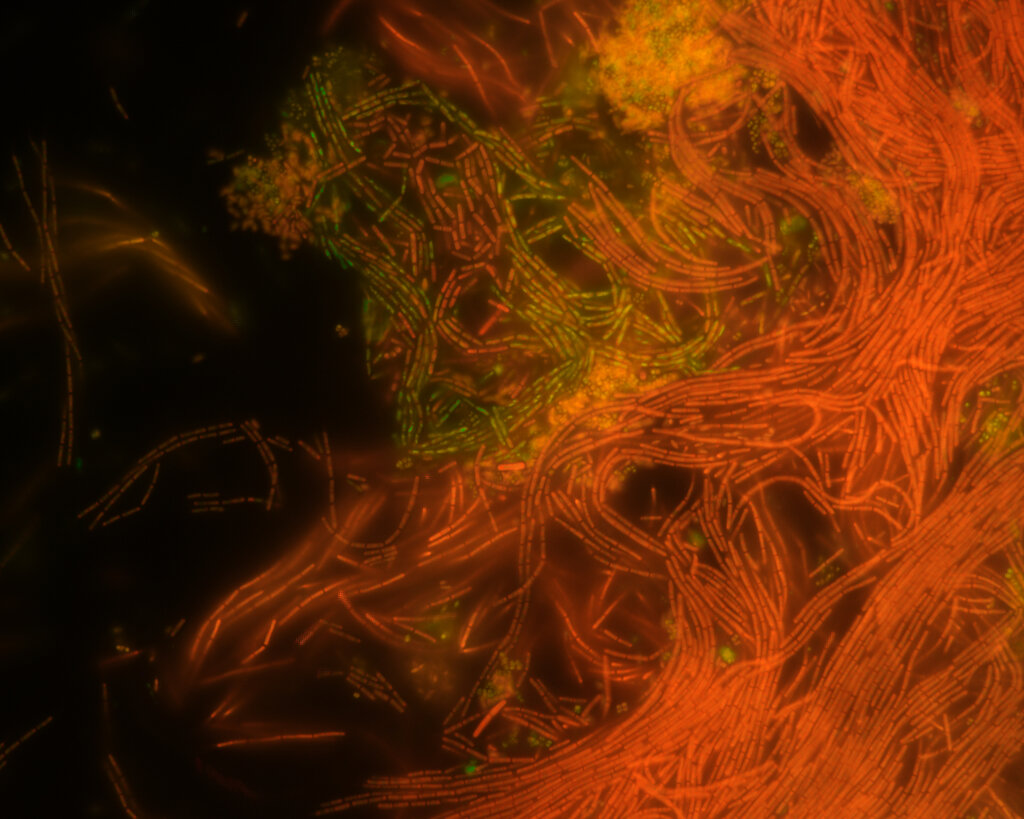
Inside your gastrointestinal tract lives a bustling, microscopic world called the gut microbiota. It's a massive community of trillions of microorganisms, including bacteria, viruses, fungi, and other tiny life forms. This ecosystem is so vast and complex that the number of microbial cells in your gut is roughly equal to the number of human cells in your entire body.
Trillions of microbes, comprising thousands of species of bacteria, fungi, viruses and parasites, live inside the human gut.
Think of it like a vibrant rainforest, teeming with thousands of different species. Bacteria are the most abundant residents, with hundreds or even thousands of different species coexisting. Just as a rainforest's health depends on the diversity of its plants and animals, the health of your gut microbiota relies on the diversity and balance of these microorganisms.
More Than Just Digestion
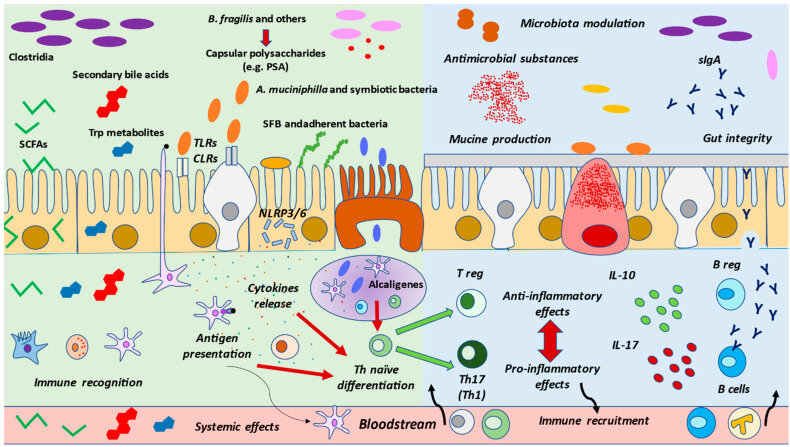
The gut microbiota does much more than just help us break down food. These microbes are metabolic powerhouses. They ferment dietary fibers that our own digestive enzymes can't handle, turning them into useful compounds like short-chain fatty acids. These compounds serve as an energy source for the cells lining our colon and play a crucial role in maintaining overall health.
By helping us extract energy and nutrients from our food and even producing essential vitamins like Vitamin K and several B vitamins, the microbiota helps our body maintain a stable internal environment, a state known as homeostasis.
homeostasis
noun
The tendency of a system, especially the physiological system of higher animals, to maintain internal stability, owing to the coordinated response of its parts to any situation or stimulus that would tend to disturb its normal condition or function.
This community is also a key player in our immune system. A large portion of our immune cells reside in the gut. From the moment we are born, our gut microbes help to “train” our immune system, teaching it to distinguish between harmful invaders and harmless substances like food or the friendly microbes themselves. This early education is vital for a properly functioning immune response throughout our lives.
A Community in Flux
Your gut microbiota is not a static entity; it's a dynamic ecosystem that changes throughout your life. Several factors can shape its composition, creating a microbial profile that is unique to you.
| Factor | Influence on Microbiota |
|---|---|
| Diet | Perhaps the biggest influence. A diet rich in diverse fibers from fruits, vegetables, and whole grains promotes a more diverse and stable microbial community. |
| Age | The microbiota changes significantly from infancy to adulthood and into old age. |
| Genetics | Your genes can influence which types of microbes are more likely to thrive in your gut. |
| Medications | Antibiotics, while life-saving, can disrupt the gut ecosystem by killing both harmful and beneficial bacteria. Other drugs can also have an impact. |
| Lifestyle | Factors like stress, sleep patterns, and physical activity can all affect the balance of your gut microbes. |
A diverse and balanced gut microbiota is generally considered a hallmark of a healthy gut.
Understanding these foundational concepts about our inner ecosystem is the first step in appreciating its profound impact on our overall health.