Guiding Businesses to Industry 4.0
Introduction to Digital Transformation
What Is Digital Transformation?
Digital transformation is the process of using digital technology to create new business processes, cultures, and customer experiences—or modify existing ones—to meet changing business and market requirements. It’s a fundamental rethinking of how an organization uses technology, people, and processes to fundamentally change business performance.
Think of it less as a tech upgrade and more as a complete business evolution. It's not just about moving from analog to digital, but about changing how you operate and deliver value to customers.
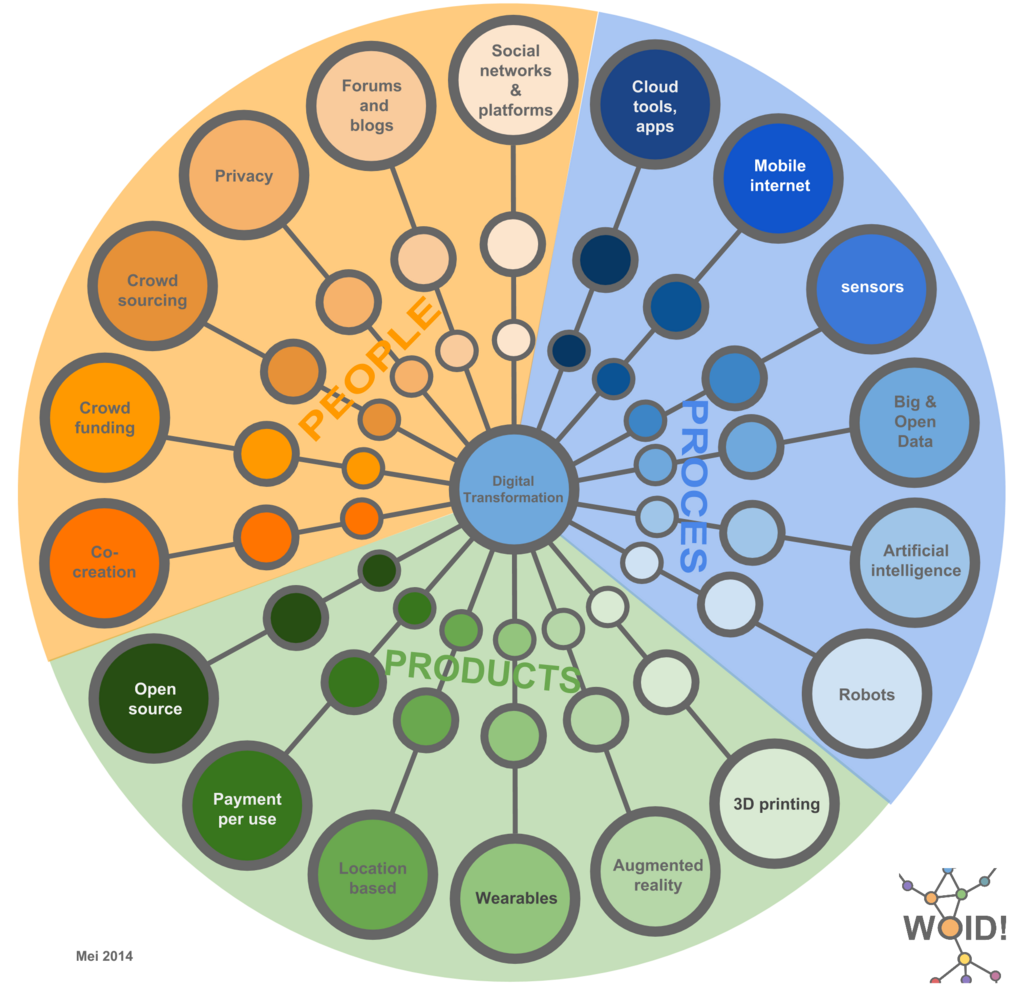
This shift is more profound than simply adopting new tools. It requires a change in leadership, a different way of thinking, and an encouragement of innovation and new business models. It also involves a shift in company culture to embrace the agility and responsiveness that digital technologies enable.
Why It Matters Now
In today's fast-paced world, standing still means falling behind. Customer expectations are constantly evolving. People now expect easy, personalized, and immediate access to products and services, similar to their experiences with companies like Netflix or Amazon. Businesses that can’t deliver this level of service risk becoming irrelevant.
Digital transformation is no longer optional—it's essential for competitive survival.
Embracing digital transformation allows companies to become more agile, efficient, and customer-centric. It opens doors to new revenue streams, enhances operational efficiency by automating tasks, and provides valuable insights through data analytics. Ultimately, it’s about ensuring a business can thrive in an increasingly digital economy.
The Key Drivers of Change
Several powerful forces are pushing organizations toward digital transformation. Understanding them helps clarify why this shift is happening now.
This transformation is driven by a confluence of factors like environmental concerns, evolving consumer preferences, digital and technological advancements, geopolitics, and a global economic landscape in flux.
Three of the biggest drivers are:
- Advancing Technology: The widespread availability of technologies like cloud computing, artificial intelligence (AI), the Internet of Things (IoT), and big data analytics provides the tools needed to reimagine business operations.
- Evolving Customer Expectations: The modern consumer is digitally savvy. They expect seamless, personalized experiences across all channels, whether they're shopping online, banking, or seeking healthcare.
- Increased Competition: Digital-native startups can enter markets and disrupt established industries with incredible speed. This puts pressure on traditional companies to innovate and adapt or risk being left behind.
| Traditional Mindset | Digital Mindset |
|---|---|
| Siloed departments | Cross-functional collaboration |
| Risk-averse culture | Embracing experimentation |
| Process-focused | Customer-centric |
| Top-down decision making | Data-driven insights |
Impact Across Industries
Digital transformation isn't limited to the tech sector; its impact is felt everywhere. Each industry is finding unique ways to leverage technology to create value.
- Retail: E-commerce platforms, personalized marketing based on browsing history, and automated warehouse logistics have revolutionized how people shop.
- Healthcare: Telemedicine allows for remote consultations, electronic health records streamline patient data management, and wearable devices monitor health in real-time.
- Manufacturing: So-called
- Finance: Mobile banking apps, AI-powered fraud detection, and blockchain technologies are making financial services more accessible, secure, and efficient.
These examples show that digital transformation is a versatile and powerful force for change, reshaping the landscape of the modern economy.
What is the primary focus of digital transformation?
True or False: Digital transformation is primarily about technology and has little to do with company culture.