Growth Equity in the Grid: Software Investment Strategy 2025
Macro Grid Dynamics
The New Power Struggle
For the past decade, the energy transition was a supply-side story. The challenge was decarbonization: building enough wind, solar, and battery capacity to replace fossil fuels. Now, the narrative has flipped. We've entered an era defined by demand, driven by an unprecedented surge from artificial intelligence and the hyperscale data centers that power it. The primary challenge is no longer just generating clean electrons, but getting them where they need to go, when they're needed.
In recent years, there has been an unprecedented increase in electricity demand driven by the so-called Artificial Intelligence (AI) revolution.
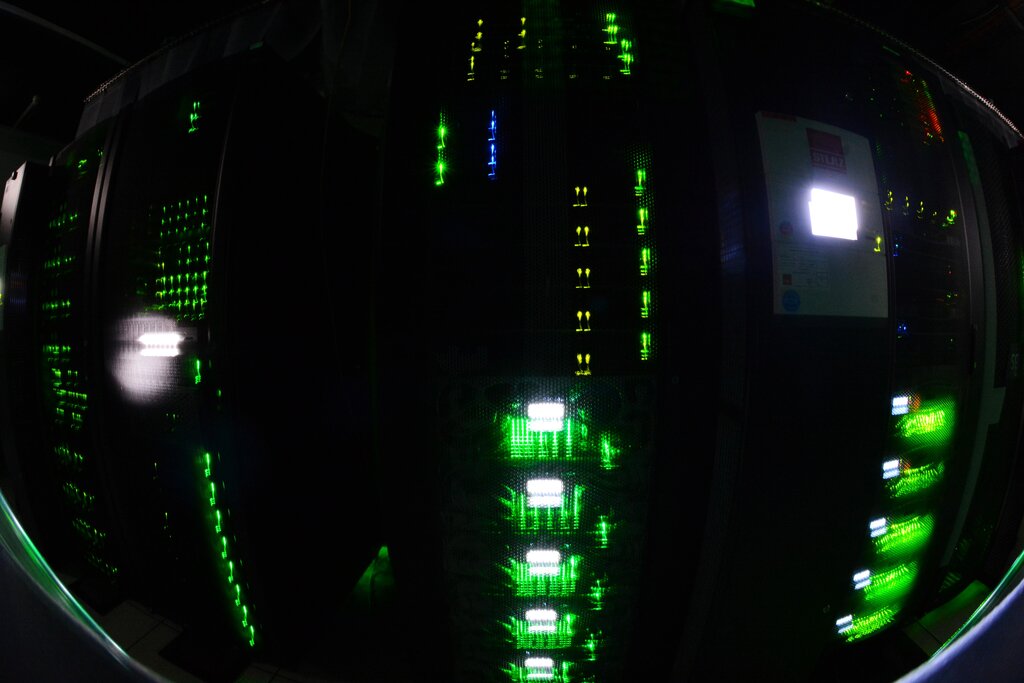
These facilities are not just another category of industrial load. Their power hunger is immense, concentrated, and relentless. Projections suggest data centers could consume up to 9% of U.S. electricity by 2030. This isn't a gradual increase the grid can easily absorb; it's a step-change in demand that is straining infrastructure to its breaking point.
Bottlenecks and Backlogs
The modern electrical grid is a marvel of 20th-century engineering, but it was designed for a world of predictable, centralized power generation. It wasn't built to handle massive, geographically concentrated loads appearing in just a few years, nor the intermittent nature of renewables. The result is a system plagued by infrastructure bottlenecks.
These bottlenecks aren't just about the physical capacity of wires and transformers. They are also bureaucratic. The process for connecting new projects, whether it's a solar farm or a data center, to the grid has become a major roadblock.
Projects now languish for years in interconnection queues, the waiting lines to get grid access. In many regions, the volume of proposed generation and storage projects in these queues dwarfs the grid's current capacity. This backlog stalls decarbonization efforts and prevents new, power-hungry industries from getting the energy they need, creating a critical drag on economic growth.
A New Asset Class
This mismatch between a 21st-century digital economy and a 20th-century grid has created a new investment thesis. For years, capital flowed into generation assets. Today, the most acute need—and the biggest opportunity—lies in bridging the gap. This has given rise to a distinct asset class: ., an investment strategy that targets the software, hardware, and services that add intelligence and flexibility to the grid.
Instead of funding another solar farm that can't connect to the grid, this capital targets companies that can, for example, optimize how and when a data center draws power, turning a simple liability into a flexible grid asset. It funds platforms that aggregate distributed energy resources like rooftop solar and EV chargers into virtual power plants. The goal is to make the existing grid smarter, more efficient, and more responsive without waiting years for new transmission lines to be built.
The fastest path to scaling the grid for AI is not only building more capacity, but unlocking flexibility in the demand that uses it.
Data centers are uniquely positioned here. By co-locating with renewable generation, developing on-site storage, or using sophisticated software to shift non-critical computing jobs to times of low grid stress, they can actively help balance the grid. This transforms their role from a passive, problematic consumer to an active, helpful partner.
The investment landscape of 2024-2025 is defined by this race to solve the grid's flexibility problem. The winners will be those who can deploy capital into the intelligent layer that sits between the legacy grid and the demands of the modern digital economy.