Growing Swiss Private Bank Assets
Swiss Private Banking Overview
The Bedrock of Global Wealth
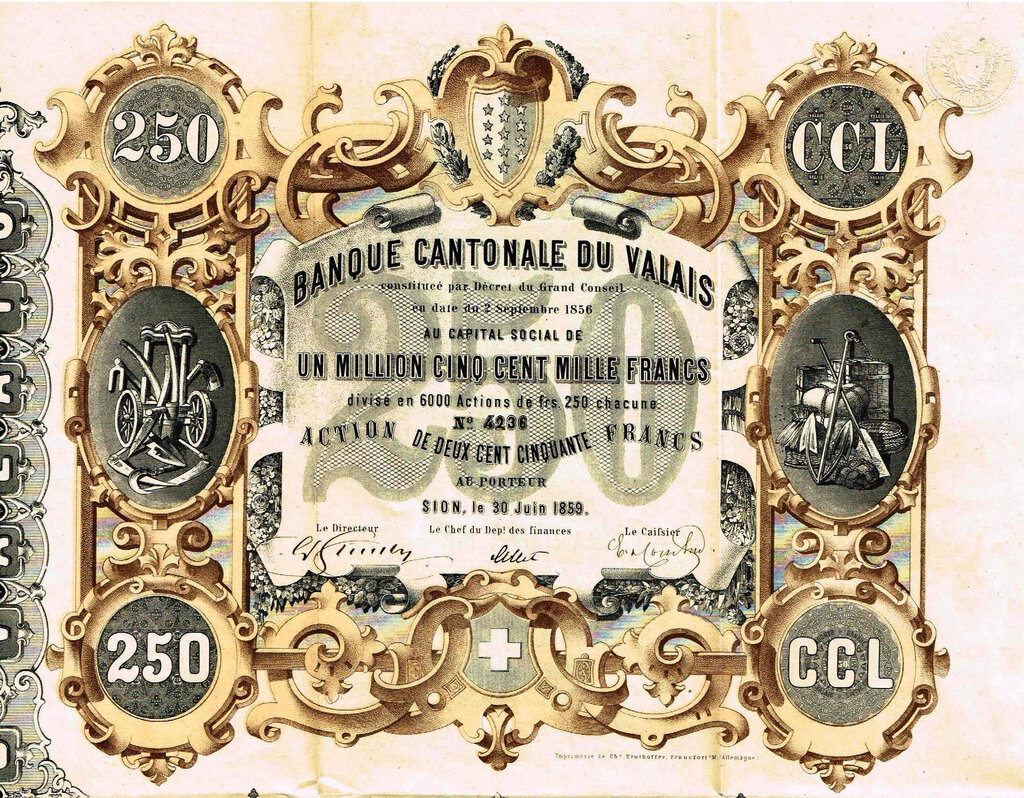
Swiss private banking wasn't born overnight. Its roots run deep, drawing from centuries of political neutrality and economic stability. While other European nations were tangled in wars and revolutions, Switzerland built a reputation as a peaceful, reliable safe haven. This stability was a magnet for wealth from across the continent.
Another key ingredient was the country's legendary banking secrecy. A 1934 law made it a criminal offense for a Swiss banker to reveal a client's identity. This wasn't just about privacy; it was a powerful protection for individuals facing political or economic turmoil in their home countries. For generations, people trusted Swiss banks to safeguard their assets quietly and professionally.
This tradition of discretion, combined with a stable currency and a central European location, created the perfect environment for private banking to flourish. It became the go-to destination for the world's wealthy to preserve their capital.
A Modern Powerhouse
Today, Switzerland remains a titan in global wealth management. It's estimated that Swiss banks manage around a quarter of all cross-border assets worldwide. This amounts to trillions of dollars held on behalf of clients from nearly every country.
The market is dominated by a few major players, but also includes a rich ecosystem of smaller, centuries-old private banks. You'll find giants like UBS, which operate globally and offer a vast range of services. Alongside them are firms like Julius Baer or the Pictet Group, which focus more exclusively on wealth management and maintain a more traditional, partnership-style approach.
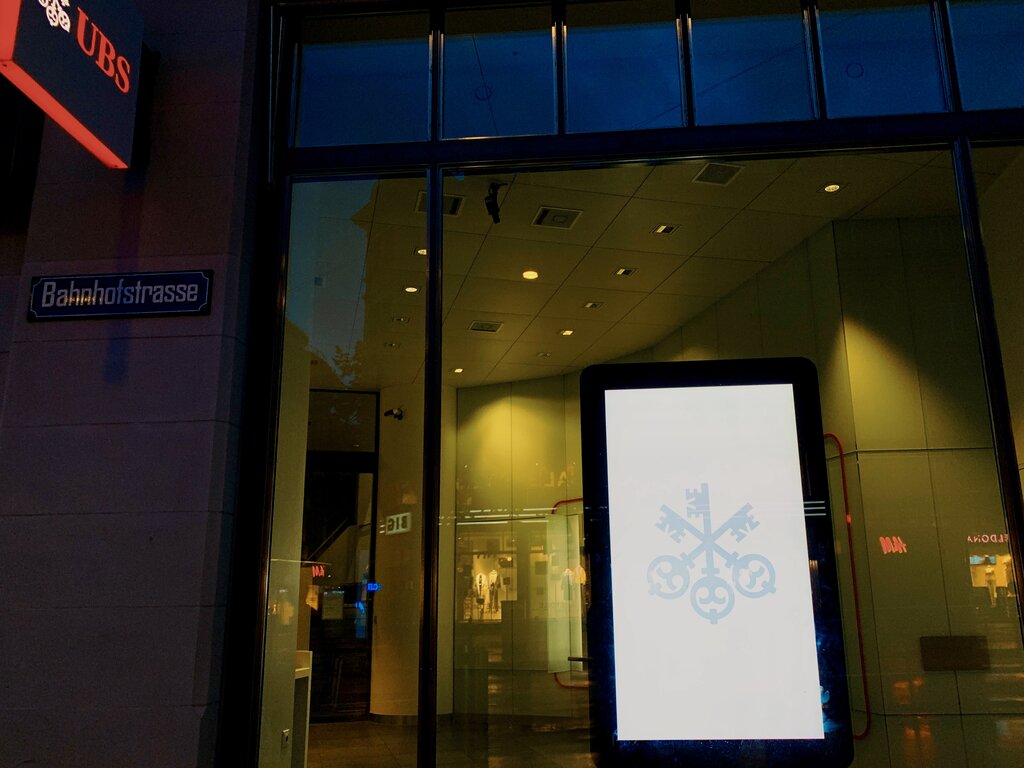
This diversity is a key strength of the Swiss system. Whether a client needs the global reach of a universal bank or the bespoke service of a boutique firm, there's a Swiss institution to fit their needs. The table below highlights some of the key players and their long-standing presence.
| Bank Name | Founded | Primary Focus |
|---|---|---|
| UBS Group AG | 1862 | Universal Banking & Wealth Management |
| Julius Baer Group | 1890 | Private Banking |
| Pictet Group | 1805 | Wealth & Asset Management |
| Lombard Odier | 1796 | Wealth & Asset Management |
The Rulebook
The world of Swiss banking has changed significantly. While discretion is still highly valued, the era of absolute secrecy is over. Under pressure from international bodies and foreign governments, Switzerland has adopted global standards for transparency to combat tax evasion and money laundering.
A key development is the Automatic Exchange of Information (AEOI) standard. Under this agreement, Swiss banks automatically report information about accounts held by foreign clients to the tax authorities in their home countries. This shift has fundamentally altered the landscape, moving the focus from secrecy to quality of service, stability, and expertise as the main reasons to bank in Switzerland.
The guiding principle has shifted from secrecy to compliance and transparency.
Overseeing this complex environment is the Swiss Financial Market Supervisory Authority, or FINMA. Think of FINMA as the financial system's watchdog. Its job is to ensure that all banks, insurance companies, and other financial institutions operate legally and safely.
FINMA's mandate is broad. It authorizes firms to operate, monitors them to ensure they comply with regulations, and takes action against any that break the rules. By ensuring the stability and integrity of the financial markets, FINMA plays a crucial role in maintaining Switzerland's reputation as a secure and reliable place to manage wealth.

Which historical factor was most crucial in establishing Switzerland as a safe haven for wealth?
What is the primary function of the Automatic Exchange of Information (AEOI) standard adopted by Switzerland?
This foundation of history, market leadership, and robust regulation is what continues to make Swiss private banking a global force.