Growing an Indian Political Satire Channel
Understanding Political Satire
The Power of a Punchline
Political satire uses humor, irony, and exaggeration to comment on politics and power. It's not just about making people laugh. The real goal is to expose foolishness, corruption, and absurdity in the political world. By packaging criticism in a joke, satire can make difficult topics more approachable and encourage people to think critically about what's happening around them.
satire
noun
The use of humor, irony, exaggeration, or ridicule to expose and criticize people's stupidity or vices, particularly in the context of contemporary politics and other topical issues.
Think of it as a mirror held up to society, but a funhouse mirror that distorts features to reveal a hidden truth. It simplifies complex political situations, making them easier to understand and critique. A well-crafted piece of satire can be more memorable and impactful than a straightforward news report.
Satire serves as a powerful tool for social critique, enabling authors to expose the absurdities and moral failings of contemporary society.
Satire in India's Story
Political commentary through humor is deeply rooted in Indian culture. For centuries, folk performers, court jesters, and poets used wit to critique rulers and social norms. This tradition adapted over time, finding a powerful new voice during the British colonial era. Newspapers and magazines began publishing cartoons and articles that cleverly poked fun at the colonial administration, boosting morale and spreading nationalist ideas.
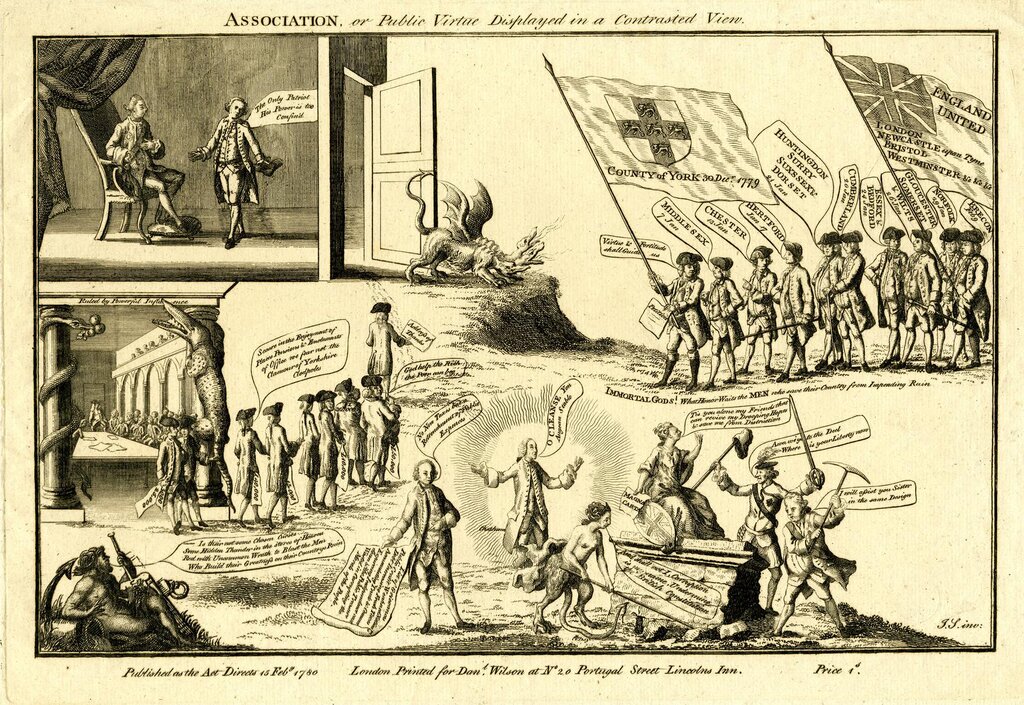
After independence, political satire flourished. Cartoonists like R.K. Laxman, with his iconic "Common Man," became household names. His daily cartoons offered a silent, witty commentary on the absurdities of Indian politics from the perspective of an ordinary citizen. Writers such as Khushwant Singh and Sharad Joshi used columns and stories to dissect the political landscape with sharp humor and insight. Their work wasn't just entertainment; it was a vital part of the national conversation.
Shaping Public Opinion
Political satire does more than just reflect public opinion; it actively shapes it. By simplifying complex policy debates into a single, powerful cartoon or a witty monologue, satirists can influence how people view politicians and events. Humor breaks down defenses, making audiences more receptive to a critical message they might otherwise ignore.
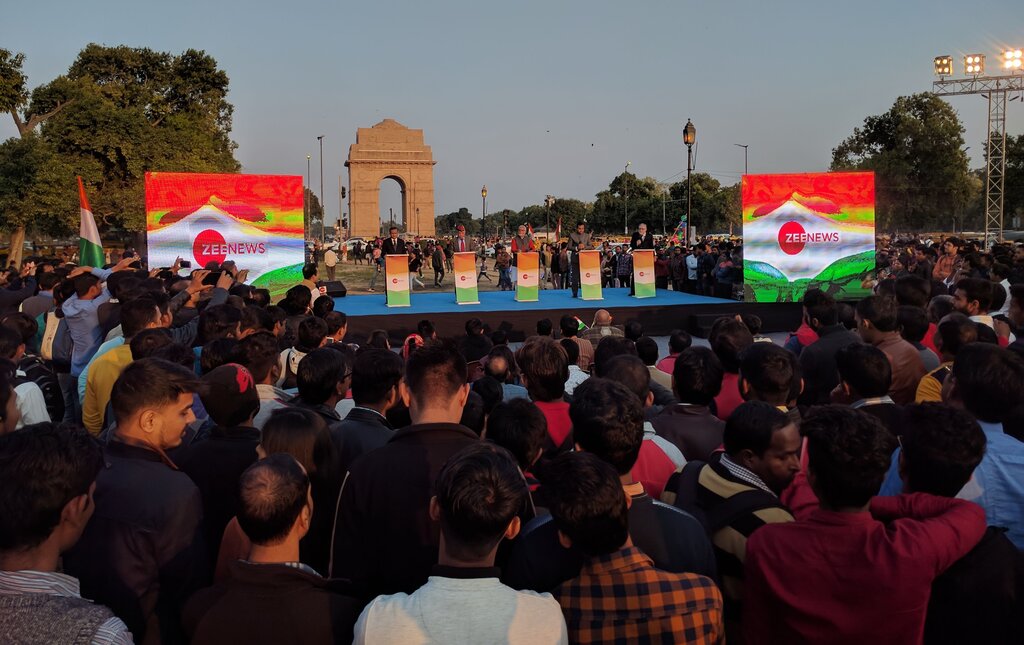
In the digital age, this influence has grown exponentially. Memes, viral videos, and stand-up comedy routines can spread a political critique to millions in a matter of hours. This new wave of satire holds leaders accountable in real-time and provides a space for citizens to participate in political discourse. It can rally people, start conversations, and ensure that those in power can't escape public scrutiny.
Satire can act as a check on power, using laughter to hold leaders accountable and give voice to the public's frustrations.
This tradition of using humor for political commentary continues to be a vibrant and essential part of India's democratic discourse.