Group Fitness Class Programming
Introduction to Group Fitness
The Power of the Group
Group fitness is an exercise session led by a certified instructor for a group of people. It’s a shared experience, where everyone moves together, driven by the same energy and music. Think of a high-energy cycling class, a calming yoga session, or a dynamic dance workout. The instructor guides the class, but the collective effort of the group creates a powerful, motivating atmosphere.
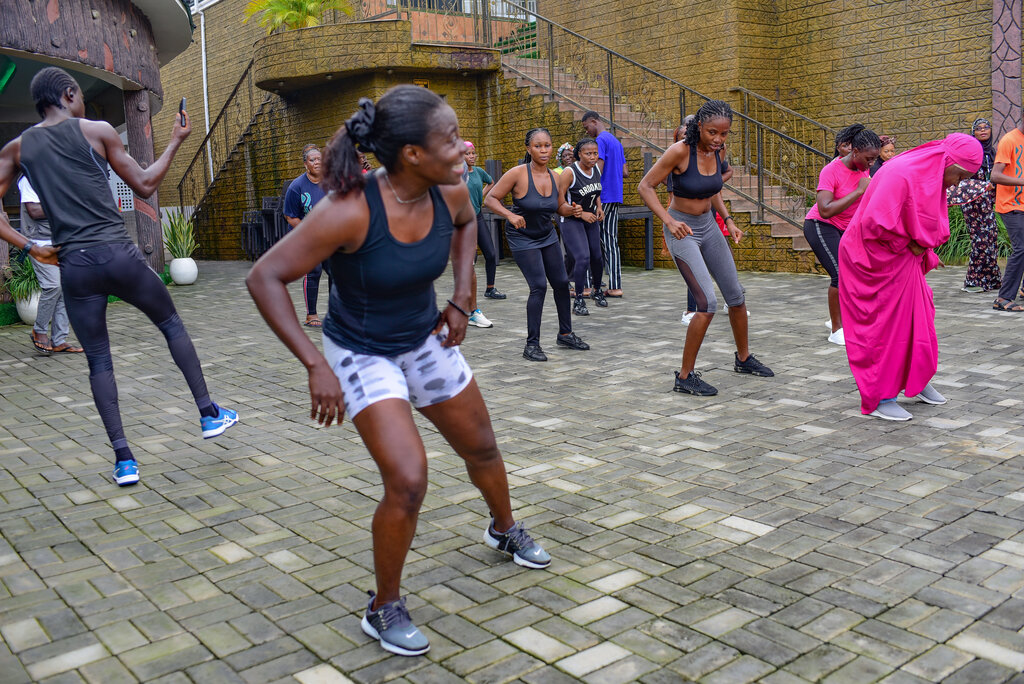
The benefits go far beyond just physical health. Of course, regular participation improves cardiovascular endurance, builds strength, and increases flexibility. But there's more to it.
Exercising in a group setting builds a sense of community. It provides social interaction and accountability. It’s often more fun than working out alone, which makes it easier to stick with a routine. When you see the person next to you pushing through a tough set, it inspires you to do the same.
The collective energy of a group can make a challenging workout feel like a celebration of what your body can do.
More Than Just a Leader
A group fitness instructor does much more than just call out exercises. Their primary role is to create a safe, effective, and enjoyable workout experience for every single person in the room. This involves several key responsibilities.
Instructor
noun
A person who teaches a particular skill or subject, responsible for guiding, motivating, and ensuring the safety of participants.
First, an instructor is a safety expert. They must have a deep understanding of human anatomy and proper exercise technique to prevent injuries. This means offering clear instructions, observing participants' form, and providing corrections when needed.
They are also motivators. A great instructor knows how to read the energy of the room and inspire people to push their limits while still respecting their bodies. They create a positive and inclusive atmosphere where everyone feels welcome, regardless of their fitness level.
Finally, they are guides. They plan the workout, but they also adapt it on the fly based on the needs of the class. Their goal is to help participants achieve their goals, whether that's improving health, reducing stress, or simply having a good time.
Yes, as a group fitness instructor it is necessary to be in good shape and have the ability to do the workout that you are teaching, but one of the most effective recovery strategies for fitness professionals is to stop actually doing the classes you teach and instead coach the participants through the workout.
Know Your Audience
A one-size-fits-all approach doesn't work in group fitness. Every class is a unique mix of individuals with different backgrounds, goals, and physical abilities. Understanding these differences is crucial for designing a class that is both safe and effective for everyone.
Participant demographics include factors like age, gender, and general health status. A class for active seniors will look very different from a high-intensity interval training (HIIT) session for college athletes. Fitness levels—beginner, intermediate, or advanced—also play a huge role. A beginner may need to focus on mastering basic movements, while an advanced participant might be ready for more complex and challenging exercises.
| Participant Level | Key Considerations for the Instructor |
|---|---|
| Beginner | Focus on fundamental movements and proper form. Offer simple modifications for high-impact exercises. Provide constant encouragement to build confidence. |
| Intermediate | Introduce more complex variations and combinations. Focus on refining technique and increasing intensity. Keep the workout engaging and challenging. |
| Advanced | Offer progressions to increase difficulty. Ensure safety during high-intensity exercises. Foster a sense of leadership and mastery. |
The best instructors learn to tailor their classes by offering modifications and progressions. A modification makes an exercise easier or safer for someone with limitations, while a progression makes it more challenging. By providing options, an instructor empowers each participant to work at a level that is appropriate for them. This creates an inclusive environment where everyone can feel successful.
What is a key element that defines a group fitness experience?
Besides physical health improvements, what is a primary benefit of regularly attending group fitness classes?