Grocery Store Operations Management
Operations Management Basics
What is Operations Management?
Operations management is the work of managing the inner workings of your business so it runs as efficiently as possible. It's about taking inputs, like products, people, and time, and turning them into outputs, like stocked shelves and happy customers.
Think of it as the engine of your store. It’s not the flashy exterior, but it’s what makes everything go.
In a grocery store, operations management covers everything from the moment a delivery truck arrives to the moment a customer leaves. It's the system for unloading pallets, the process for stocking produce, the schedule for cashiers, and the procedure for cleaning the floors. Each of these activities is a process, and operations management aims to make each process smooth, cost-effective, and reliable.
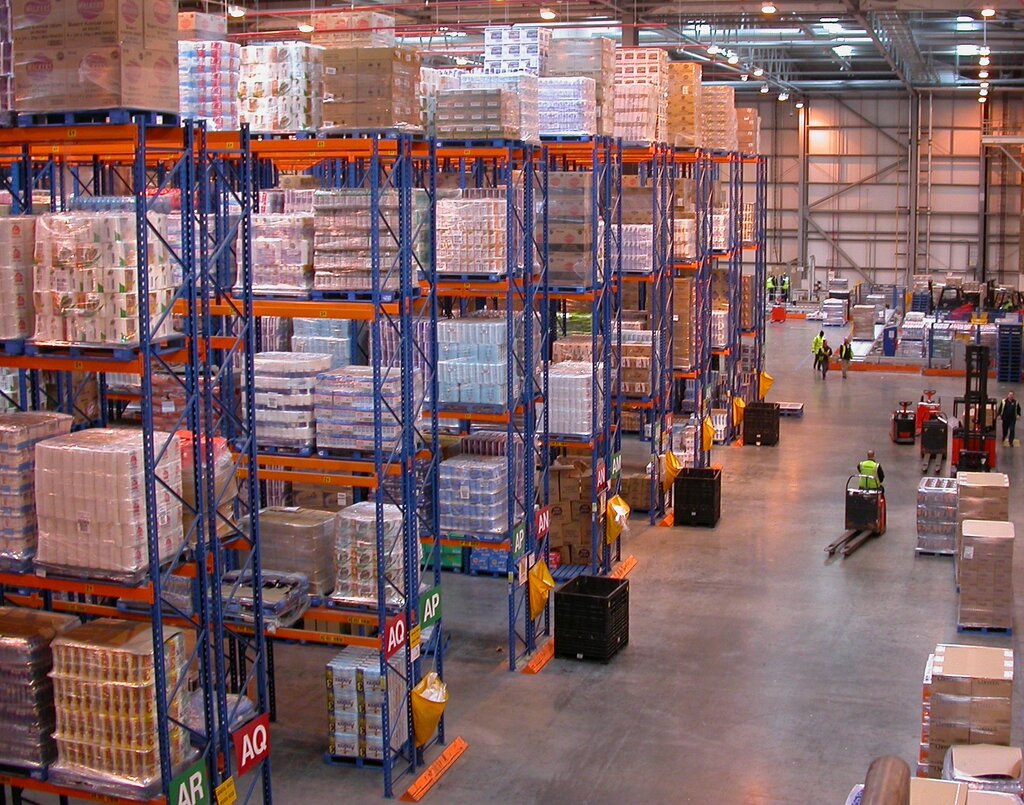
Why It Matters in Retail
Good operations are invisible to the customer. They just know that the store is clean, the items they want are in stock, and the checkout line is short. But when operations are bad, everyone notices. Empty shelves, long waits, and wilted lettuce are all symptoms of operational problems.
Efficient operations directly impact the bottom line. By reducing waste (like spoiled food), optimizing staff schedules to match customer traffic, and ensuring products are on the shelf to be sold, you increase profitability. It's about doing more with the same resources.
Operational efficiency is a cornerstone of retail business excellence, directly impacting profitability, customer satisfaction, and overall brand performance.
A store with strong operations can react faster to changes, whether it’s a sudden rush on a sale item or a delayed shipment. This agility keeps the business competitive and builds customer loyalty.
Measuring Success
To improve your operations, you first need to measure them. Key Performance Indicators, or KPIs, are specific metrics that help you track how well your store is running. They turn vague goals like "improve efficiency" into concrete targets.
| KPI | What It Measures | Why It's Important |
|---|---|---|
| Inventory Turnover | How quickly products are sold and replaced | A high turnover rate means you're selling well and not tying up money in stock. |
| Customer Wait Time | The time a customer spends in the checkout line | Shorter wait times lead to happier customers who are more likely to return. |
| Stockout Rate | The percentage of items that are out of stock | A low rate means customers can find what they came for, preventing lost sales. |
| Sales Per Square Foot | The amount of revenue generated for every square foot of sales space | This shows how efficiently you are using your store's physical space to generate sales. |
By tracking these KPIs over time, you can spot trends, identify problems, and see if the changes you're making are having a positive effect.
How to Improve Processes
Process analysis is the act of breaking down a task into its individual steps to find better ways of doing it. Let's look at a common grocery store process: restocking a shelf.
To improve this process, you would ask questions at each step. Could items be logged automatically with a scanner as they're unloaded (Step 2)? Is the stockroom organized so that popular items are closest to the door (Step 3)? Are restocking carts designed to hold multiple cases to reduce trips (Step 4)?
A simple change, like pre-loading carts with the items needed for a specific aisle, can eliminate wasted time and get products onto shelves faster. This continuous cycle of analyzing and refining is the core of operational improvement.
Let's review the key concepts we've covered.
Now, test your understanding with a few questions.
What is the primary goal of operations management in a setting like a grocery store?
A customer regularly finds long checkout lines, empty shelves for popular items, and wilted produce at a grocery store. These are most likely symptoms of what?
By focusing on these fundamentals, you can build a strong operational foundation for your grocery business, leading to greater efficiency and better performance.