Grocery E-commerce CRO
Introduction to CRO
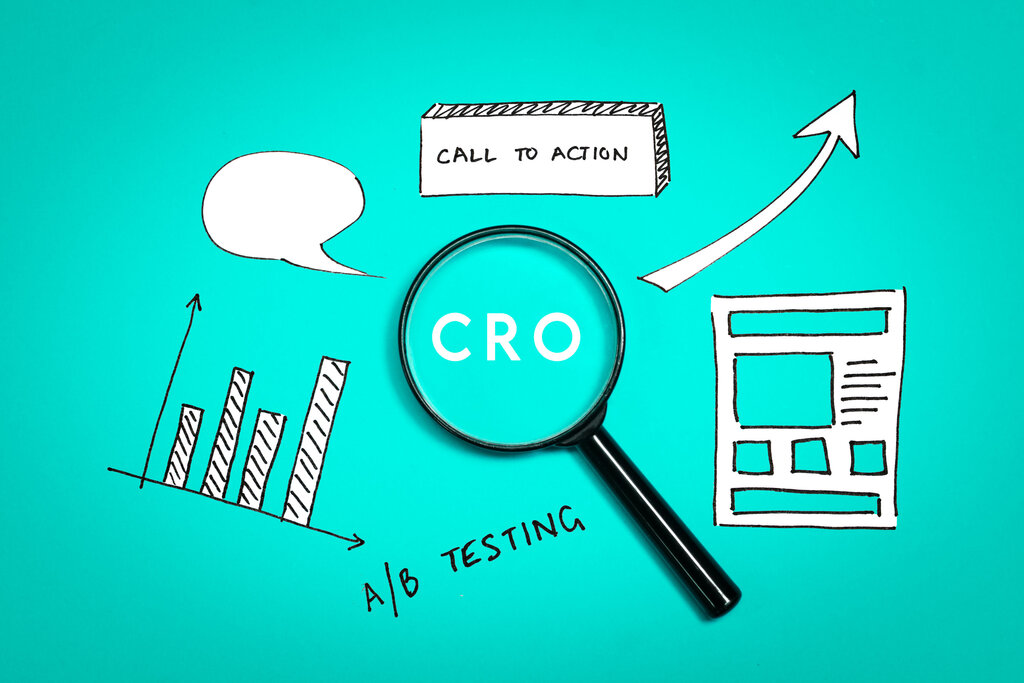
What Is Conversion Rate Optimization?
Imagine you own a physical store. Many people walk in, browse around, but only a few actually buy something. How could you encourage more visitors to make a purchase? Maybe you'd rearrange the layout, improve the lighting, or have a friendly staff member offer help. Conversion Rate Optimization, or CRO, is the digital equivalent of this process for your website or app.
CRO is the systematic process of increasing the percentage of visitors who take a desired action. This action is called a "conversion."
Conversion
noun
Any desired action a user takes on a website. This could be making a purchase, signing up for a newsletter, creating an account, or downloading a file.
Essentially, CRO is about understanding what drives, stops, and persuades your users. By analyzing how they navigate your site, you can identify areas for improvement. This might involve changing the color of a button, rewriting a headline, or simplifying a checkout process. The goal is to make it as easy and appealing as possible for visitors to become customers or leads.
Why Bother with CRO?
Many businesses focus heavily on attracting more visitors to their website through advertising, social media, or search engine optimization (SEO). While getting more traffic is great, it can be expensive. CRO offers a more cost-effective way to get more value from the visitors you already have.
Instead of just pouring more water into a leaky bucket, CRO helps you fix the leaks. By improving the user experience and removing barriers, you can turn a higher percentage of your existing traffic into paying customers. This directly increases your revenue and return on investment (ROI) without necessarily increasing your marketing spend.
CRO helps you understand your audience better. By testing what works and what doesn't, you gain valuable insights into your customers' preferences and behaviors.
Ultimately, a good CRO strategy leads to happier customers. When your site is easy to use and helps them achieve their goals, they're more likely to return and recommend you to others. It's a win-win: your business grows, and your customers have a better experience.
Calculating Your Conversion Rate
The first step in improving your conversion rate is knowing how to measure it. The calculation itself is straightforward. You divide the number of conversions (your desired actions) by the total number of visitors and then multiply by 100 to get a percentage.
For example, if an e-commerce page had 5,000 visitors in a month and 100 of them made a purchase, the conversion rate would be:
(100 conversions / 5,000 visitors) * 100% = 2%
This simple metric is a powerful indicator of your website's performance. By tracking it over time, you can measure the impact of the changes you make.
Making Confident Decisions
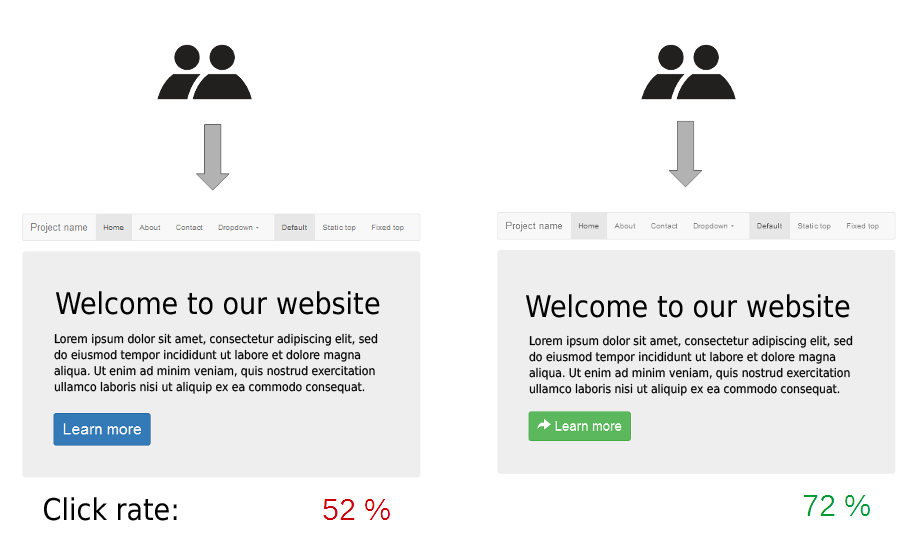
Let's say you change a button's color from blue to green and see a slight increase in conversions. Was it the color change, or just random luck? This is where statistical significance comes in.
Statistical significance is a way to determine whether your test results are reliable and not just due to chance. It tells you how confident you can be that the change you made actually caused the result you're seeing. In A/B testing, where you compare two versions of a page (an 'A' and a 'B' version), you need enough data to be sure that one version is truly better than the other.
Think of it like flipping a coin. If you flip it 10 times and get 7 heads, you might think it's a biased coin. But if you flip it 1,000 times and get 700 heads, you can be much more certain. Similarly, in CRO, you need a large enough sample size (number of visitors) to be confident that your results are not a fluke. Most testing tools will calculate statistical significance for you, often aiming for a 95% confidence level. This means there's only a 5% chance that the observed results happened by random chance.
Relying on statistically significant data ensures you're making business decisions based on evidence, not just gut feelings.
Now that you understand the basics of what CRO is and why it's important, let's test your knowledge.
What is the primary goal of Conversion Rate Optimization (CRO)?
An online store had 20,000 visitors last month. During that time, 500 visitors made a purchase. What was the store's conversion rate?
Conversion Rate Optimization is a continuous cycle of testing, learning, and improving. By focusing on making small, data-driven changes, you can create a much better experience for your users and achieve significant growth for your business.