Grip Strength Training Essentials
Grip Strength Basics
More Than a Handshake
Grip strength is the measure of how firmly you can hold onto something. It's the force you apply with your hands to pull, lift, or squeeze. While a strong handshake is one sign of it, true grip strength is involved in countless actions you perform every day.
Think of it as having three main functions: crushing (like squeezing a tennis ball), pinching (like holding a key), and supporting (like carrying a heavy suitcase).
Each type of grip relies on a coordinated effort from dozens of muscles, making it a surprisingly complex and vital physical ability.
Why Grip Matters
You use your grip strength constantly, often without realizing it. It's what allows you to open a stubborn jar, carry your groceries in from the car, or securely hold your phone. In the gym, a solid grip is essential for exercises like pull-ups, rows, and deadlifts. Without it, your hands will give out long before the target muscles do.
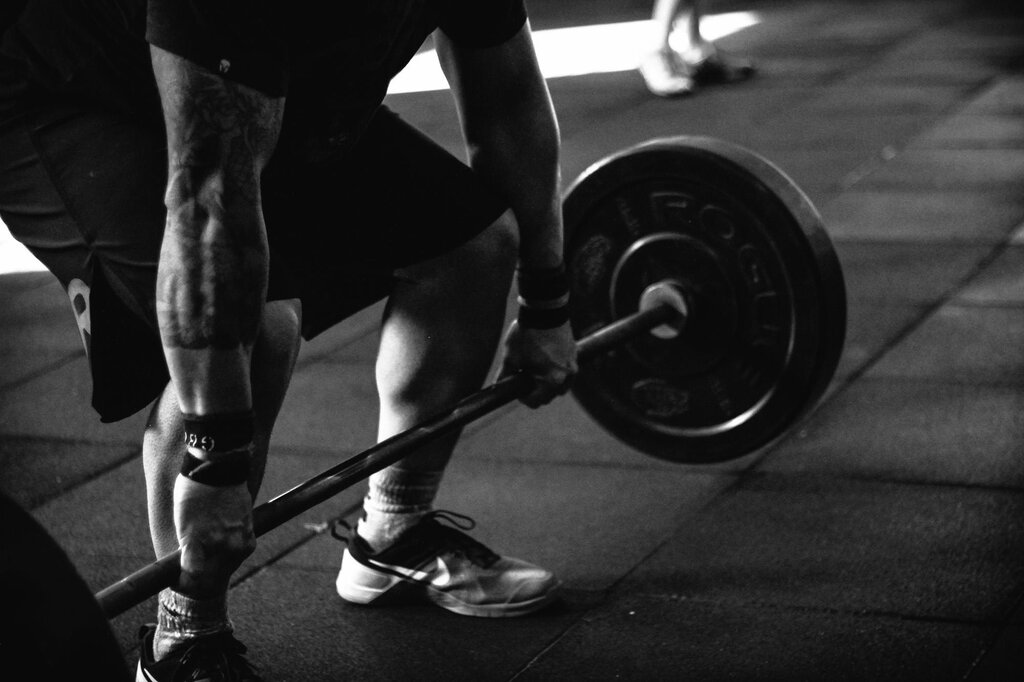
Many sports also depend on a powerful grip. Rock climbers need it to hold onto tiny ledges, baseball players need it to control the bat, and martial artists use it for grappling. Beyond performance, researchers often use grip strength as a key indicator of overall muscle health and general fitness.
Grip strength is an excellent indicator of how fit you are in your 40s.
The Muscles Behind the Squeeze
When you grip something, the muscles in your hand are only part of the story. The real powerhouses are located in your forearm. These larger, stronger muscles connect to your fingers via long tendons that run through the wrist.
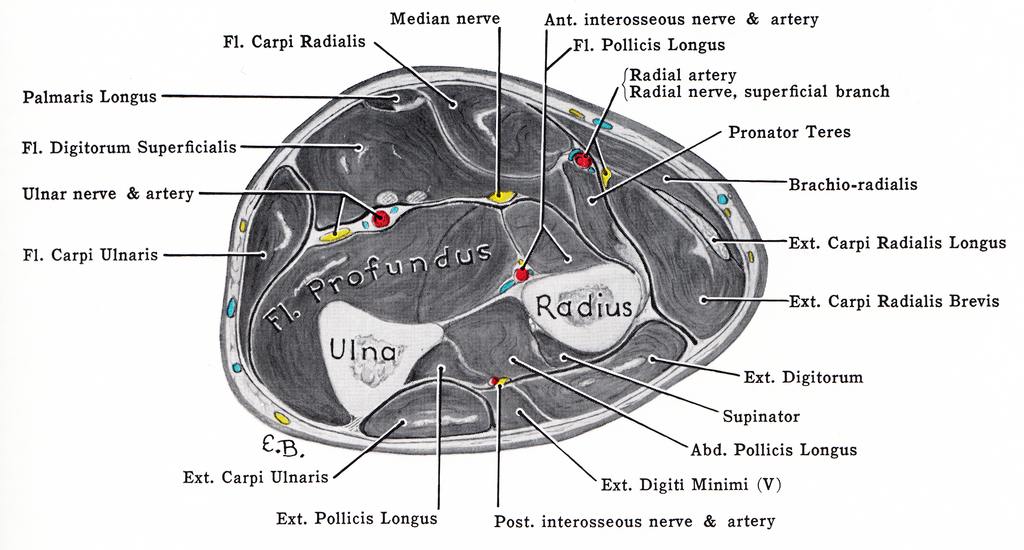
There are two main groups of forearm muscles that control your grip:
- Flexors: These muscles run along the inside of your forearm (the palm side). When they contract, they pull on the tendons that close your fingers and bend your wrist, creating the squeezing force of your grip.
- Extensors: Located on the top of your forearm, these muscles do the opposite. They open your fingers and straighten your wrist. They provide the stability needed to counterbalance the powerful flexors, allowing for controlled movement.
Smaller muscles located within the hand itself, called intrinsic muscles, also play a critical role. They are responsible for fine motor movements and the precise actions of pinching and manipulating small objects.
Now, let's test your understanding of these core concepts.
Which muscle group provides the primary power for gripping?
Grip strength is often used by researchers as an indicator of what?
Understanding this anatomy is the first step toward improving your grip. By knowing which muscles do the work, you can better target them for a stronger, more capable hold.