Griechisch Aurist Explained
Introduction to Ancient Greek Medicine
A New Way of Thinking About Sickness
Ancient Greek medicine marked a major shift in how people thought about health. Before the Greeks, sickness was often seen as a punishment from the gods or the result of evil spirits. But Greek physicians began to look for rational causes for illnesses, believing that the body and the world around it followed predictable rules. They were among the first to argue that diseases had natural, not supernatural, origins.
At the heart of their philosophy was the idea of balance. A healthy body was one in a state of equilibrium, while sickness was a sign of imbalance. This core principle guided their approach to diagnosis and treatment, which aimed to restore harmony within the body.
The Four Humors
The most famous concept from Greek medicine is the theory of the four humors. This idea, which dominated Western medical thought for over 1,500 years, proposed that the body contained four essential fluids. Each humor was linked to a specific element, quality, organ, and season.
| Humor | Element | Qualities | Organ |
|---|---|---|---|
| Blood | Air | Hot & Moist | Heart |
| Phlegm | Water | Cold & Moist | Brain |
| Yellow Bile | Fire | Hot & Dry | Liver |
| Black Bile | Earth | Cold & Dry | Spleen |
According to this theory, a person's health and even their temperament depended on the balance of these four fluids. An excess or deficiency of any one humor would lead to illness. For example, a common cold with a runny nose might be explained by an excess of cold, moist phlegm. A physician’s job was to identify the imbalance and prescribe treatments—like changes in diet, exercise, or herbal remedies—to correct it.
The Father of Medicine
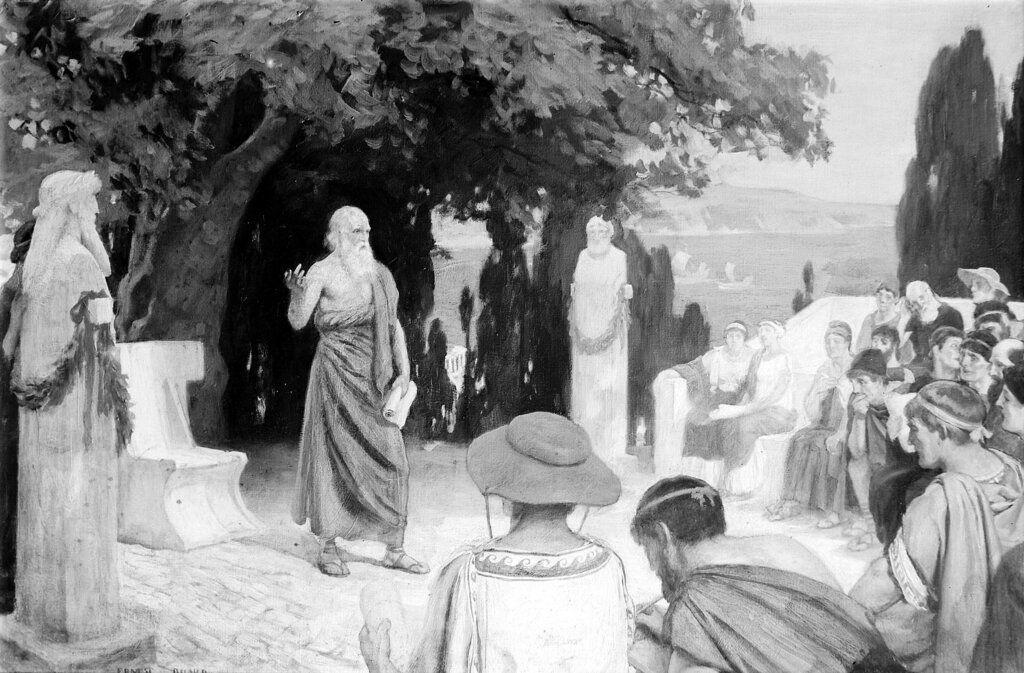
Hippocrates of Cos, who lived in the 5th century BCE, is arguably the most influential figure in ancient medicine. While many medical texts are attributed to him, his greatest contribution was a new methodology. He and his followers insisted on the careful observation and documentation of symptoms.
Instead of relying on divine explanations, Hippocratic physicians recorded detailed case histories, noting how a patient's illness progressed. This systematic approach was revolutionary. It shifted the focus from superstition to clinical practice. The famous Hippocratic Oath, a pledge of ethical conduct for doctors, also reflects this commitment to the patient's well-being and the practice of medicine with integrity.
The key was to observe everything and draw conclusions from what could be seen, not what was believed.
The Physician to the Gladiators
Centuries later, a Greek physician named Galen expanded on Hippocrates' work and became the most dominant medical authority in the Roman Empire. Living in the 2nd century CE, Galen was a prolific writer and a brilliant anatomist for his time.
His role as a physician to gladiators gave him unique opportunities to study the human body and treat severe wounds, giving him practical insights into anatomy. Since human dissection was forbidden, he performed extensive dissections on animals like apes and pigs to understand how organs functioned. Galen organized and systemized Greek medical knowledge, particularly the humoral theory, into a comprehensive framework that would go unchallenged in Europe for more than a thousand years.
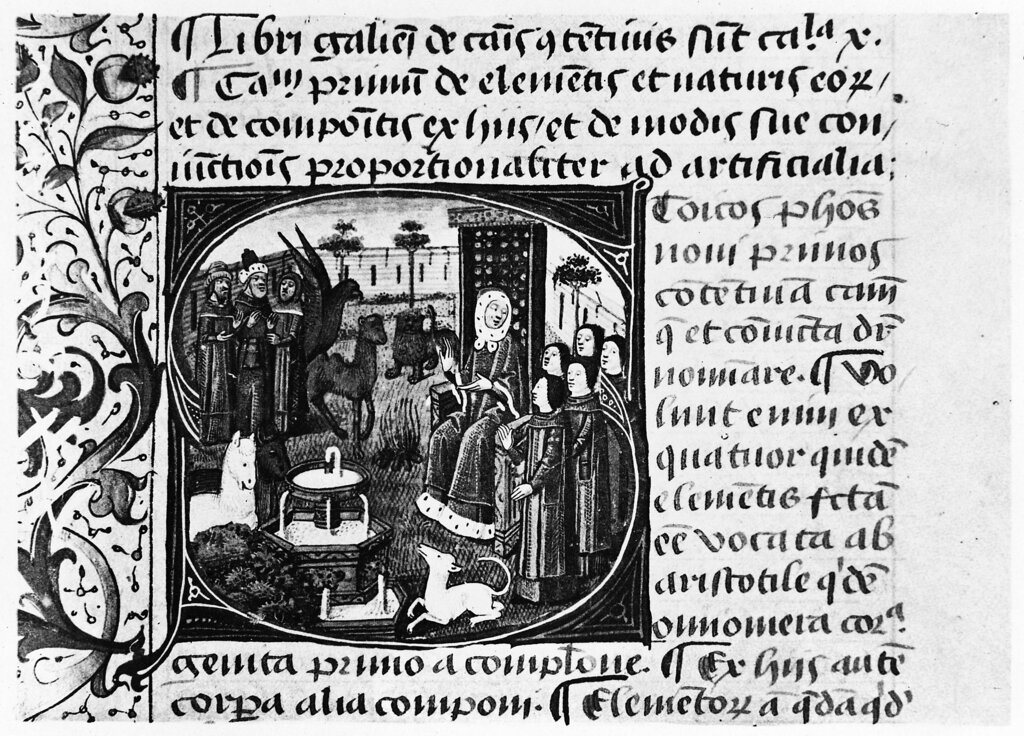
The ideas of Greek physicians like Hippocrates and Galen spread throughout the Roman Empire and beyond. Their texts were preserved and built upon by Islamic scholars during the Middle Ages, who later reintroduced this knowledge to Europe. This ancient foundation shaped the development of Western medicine, and its influence can still be seen in our vocabulary and our focus on clinical observation.
Most of Western thought started with the Greeks of the sixth and fifth centuries BCE.
Let's review the key terms from this section.
Now, check your understanding of these foundational concepts.
What was the most significant shift in medical thinking introduced by ancient Greek physicians?
According to the theory of the four humors, what was considered the primary cause of illness?
Understanding these core principles—humoral theory and the contributions of key figures—is the first step to appreciating how ancient doctors approached the complexities of the human body.