Grid Inefficiencies and Green Energy Integration
Grid Infrastructure Basics
Electricity’s Three-Part Journey
Think of the electrical grid as a massive, intricate delivery network. It has one job: to get electricity from where it's made to where it's used. This journey happens in three distinct stages: generation, transmission, and distribution.
An energy grid is a sophisticated network of power plants, transmission lines, and supporting infrastructures that deliver electricity from producers to consumers.
First, electricity is generated at a power plant. Then, it travels long distances over a high-voltage transmission system, much like goods traveling on a national highway system. Finally, it enters a local distribution network—the smaller streets and roads that bring it directly to your home or office.
From Power Plant to Your Outlet
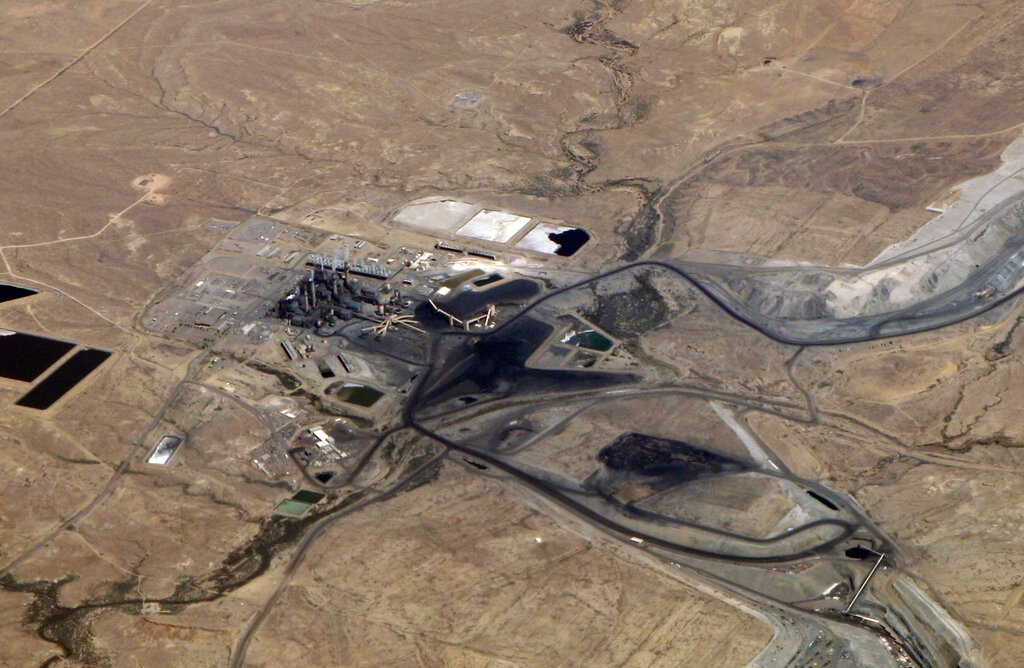
Let's follow a jolt of electricity on its path. The journey begins at a generation station. For most of the grid's history, these have been large, centralized power plants that burn fossil fuels like coal or natural gas to create electricity.
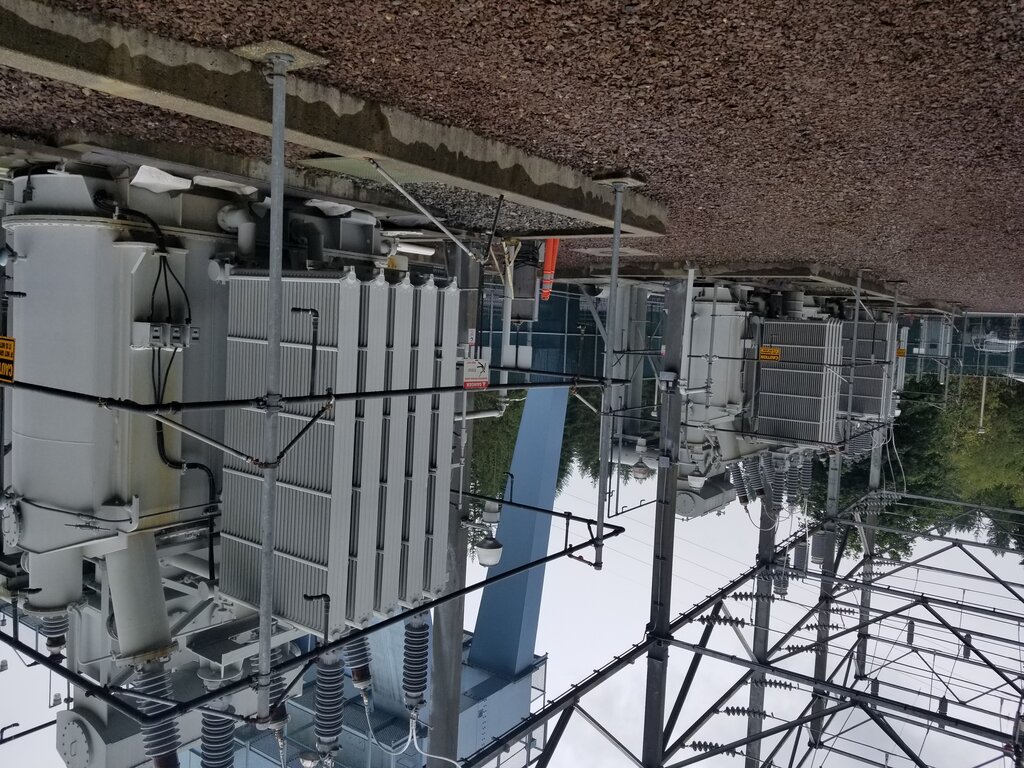
Once generated, the electricity isn't ready for a long trip. Sending it over great distances at low voltage is incredibly inefficient, like trying to push water through a tiny straw. To solve this, power plants use step-up transformers to dramatically increase the voltage. This packs the electrical energy tightly, preparing it for travel.
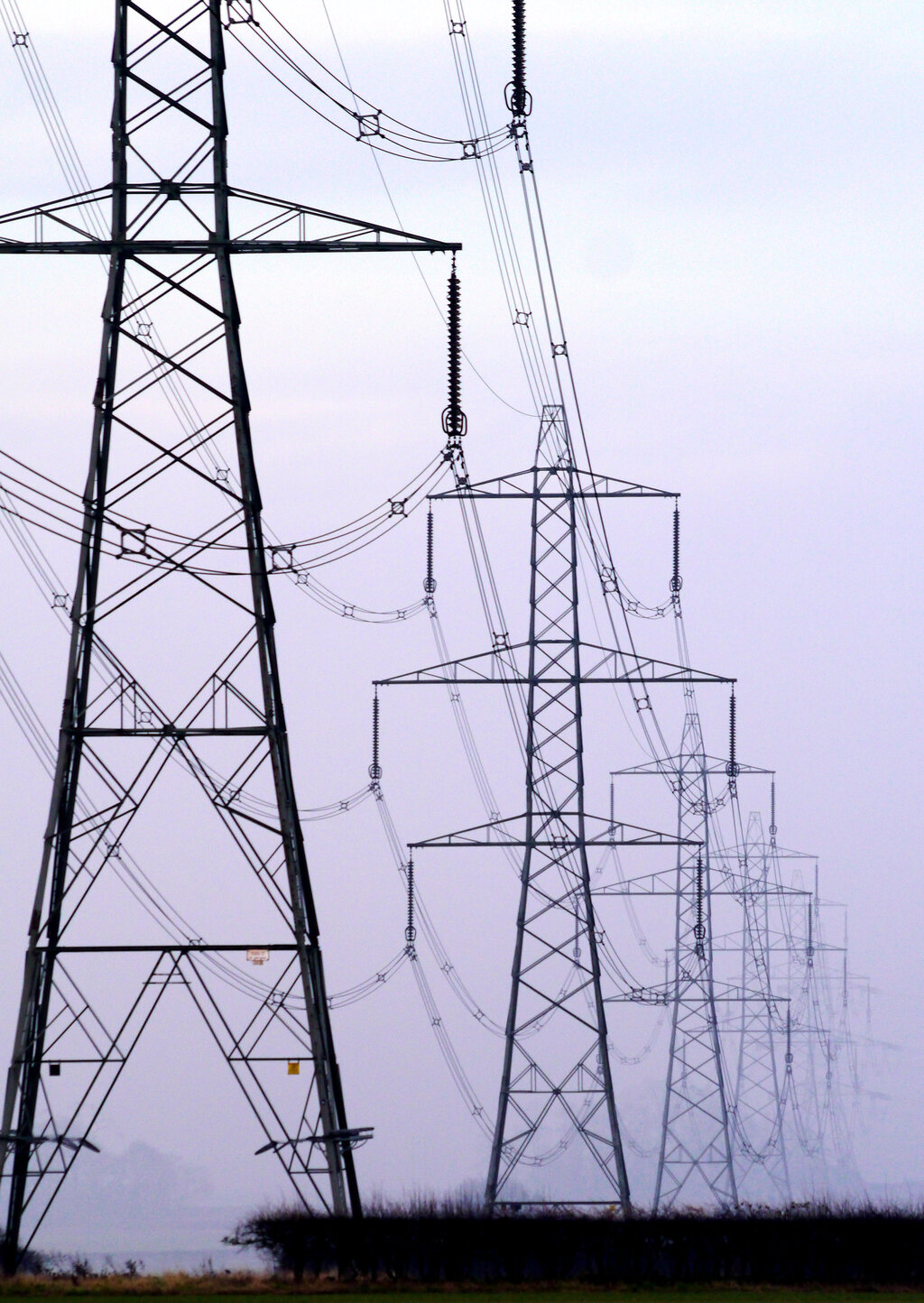
Now at a very high voltage, the electricity is ready to hit the road. It travels along transmission lines, thick cables strung across tall metal towers. These lines are the superhighways of the grid, capable of moving massive amounts of power across hundreds of miles with minimal energy loss.
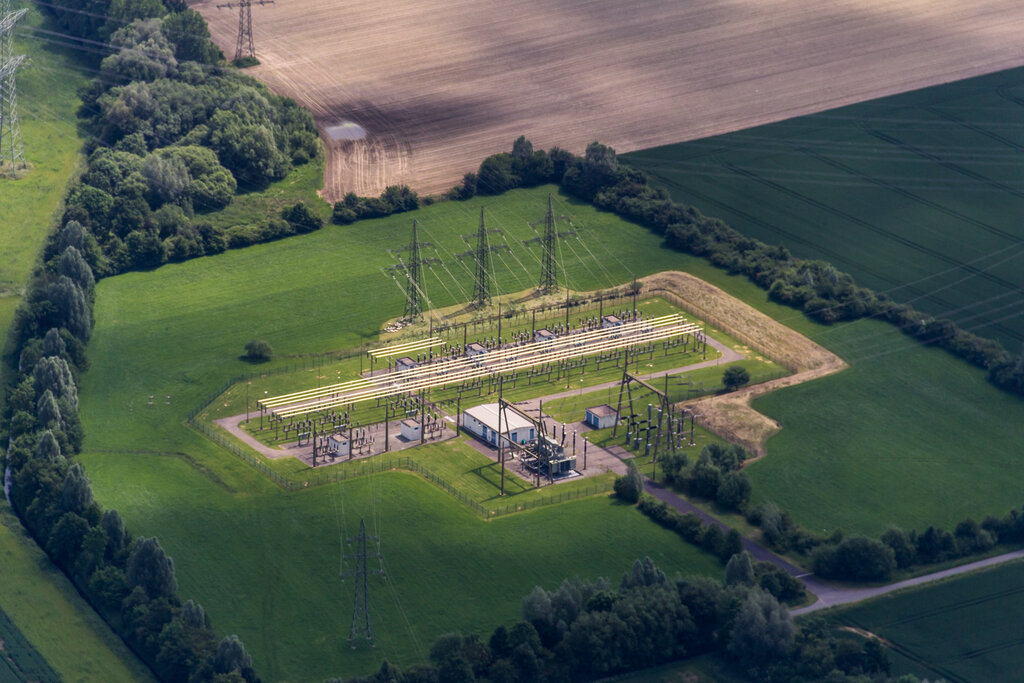
As the electricity nears its destination city or town, it enters a substation. These are the grid's intersections and off-ramps. Here, large step-down transformers do the opposite of their counterparts at the power plant: they lower the voltage to a safer, more usable level for local distribution.
The final leg of the journey is distribution. From the substation, the electricity flows through smaller, local power lines. You see these lines running along streets, either overhead on wooden poles or buried underground. Another, smaller transformer—often a grey canister on a nearby pole or a green box in a yard—steps the voltage down one last time before it enters your home, ready to power your lights and appliances.
An Old Design for a New World
This entire system was a marvel of 20th-century engineering, designed around a simple and predictable principle: one-way power flow.
Traditional grids were designed for one-way power flow from large, centralized power plants to consumers.
Large, centralized plants produce a constant, predictable amount of power, which is then pushed out to passive consumers. The grid's operators could forecast demand and simply adjust the output of these big plants to match. It was a top-down, one-way street.
This is where the problem with renewable energy sources like wind and solar begins. They aren't centralized or predictable. A solar panel on a rooftop or a wind turbine in a field generates power intermittently, whenever the sun shines or the wind blows. They introduce power into the grid at the edges, not from the center. This creates a two-way flow of electricity that the old grid wasn't designed to handle.
When a neighborhood with many solar panels produces more electricity than it uses on a sunny afternoon, that excess power needs to go somewhere. The traditional grid infrastructure struggles with this reverse flow, leading to instability and potential damage to equipment. It was built for a one-way monologue, not a dynamic, two-way conversation.
What are the three distinct stages of electricity's journey from a power plant to your home?
Why is the voltage of electricity dramatically increased before it is sent over long-distance transmission lines?
This fundamental mismatch between an old grid design and new energy sources is a major hurdle we need to overcome to build a cleaner energy future.