Grid-Forming Inverter Fault Ride-Through
Introduction to Grid-Forming Inverters
A New Kind of Power Player
At its core, an inverter has a simple job: it converts direct current (DC) electricity, like the kind produced by solar panels or stored in batteries, into alternating current (AC) electricity, which is what our homes and the power grid use. For decades, this was a straightforward task. Inverters simply listened to the steady, rhythmic beat of the traditional power grid and fed electricity into it.
But the grid is changing. As we rely more on renewable sources like solar and wind, we're phasing out the old, large power plants that created that steady beat in the first place. This creates a new challenge: without those traditional sources setting the pace, how do we keep the grid stable? The answer lies in a smarter type of device called a grid-forming inverter.
Think of a grid-forming inverter as a leader. Instead of just following the grid's rhythm, it can create its own, setting the voltage and frequency for the network it's connected to. It acts like a virtual power plant, providing the stability that giant, spinning generators once did.
Leaders vs. Followers
To understand what makes grid-forming inverters special, it helps to compare them to their more common counterparts: grid-following inverters. As the name suggests, these inverters are followers. They are designed to detect the existing AC waveform on the grid and synchronize their output to match it precisely. They are excellent at injecting power into a stable, functioning grid but are completely dependent on it. If the grid goes down, a grid-following inverter has no signal to follow and shuts off.
A grid-forming inverter, on the other hand, doesn't need an existing signal. It is the signal. It generates a stable voltage and frequency reference from scratch, effectively creating a small, self-sufficient grid. This capability is crucial in a number of scenarios, from powering a remote village to keeping a hospital's lights on during a city-wide blackout.
| Feature | Grid-Following Inverter | Grid-Forming Inverter |
|---|---|---|
| Primary Function | Injects power into an existing grid | Creates and maintains a stable grid signal |
| Analogy | A musician playing along with an orchestra | The conductor leading the orchestra |
| Grid Dependency | High (Requires a grid signal to operate) | Low (Can operate independently) |
| Role in Stability | Reactive (Responds to the grid) | Proactive (Actively stabilizes the grid) |
Why This Matters for Renewables
The transition to renewable energy isn't just about replacing fossil fuels; it's about re-engineering the very physics of the grid. Traditional power plants use massive, spinning turbines and generators. The physical momentum of these machines, called inertia, helps the grid ride through small disturbances, keeping the frequency stable.
Solar panels and batteries have no moving parts and therefore no natural inertia. As more of these resources connect to the grid, its overall inertia decreases, making it more vulnerable to fluctuations. A sudden cloud over a large solar farm or a spike in demand could cause instability.
Grid-forming inverters solve this problem by creating synthetic inertia. Using advanced controls and energy stored in batteries, they can respond to grid disturbances in milliseconds, injecting or absorbing power to keep the voltage and frequency right where they need to be. They replicate the stabilizing effect of old spinning generators without any of the emissions.
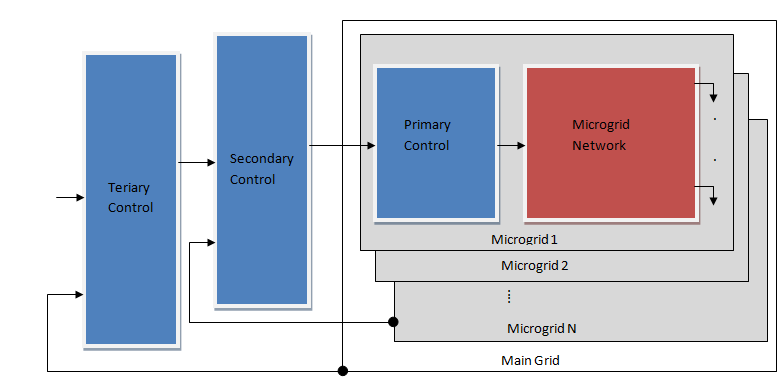
This ability is transformative. It allows for the creation of resilient microgrids that can disconnect from the main utility during an outage and continue to power critical infrastructure. It also means that a grid can, in theory, run on 100% renewable energy sources without sacrificing the stability we've always taken for granted.
Let's see what you've learned about this new grid technology.
What is the primary difference between a grid-following and a grid-forming inverter?
What problem, caused by the increasing use of renewable energy sources, do grid-forming inverters help solve?
Grid-forming inverters represent a fundamental shift in how we manage power, turning renewable energy sources from simple contributors into active stewards of grid stability.