Green Energy Systems and Integration
Grid Stability Dynamics
The Grid's Built-in Stabilizer
The electric grid is a massive, synchronized machine. For over a century, its stability has relied on a simple physical principle: the immense weight of spinning machinery. In conventional power plants—like coal, nuclear, or hydroelectric—electricity is produced by synchronous generators These are huge, rotating masses of metal spinning in perfect unison, like a troupe of synchronized dancers.
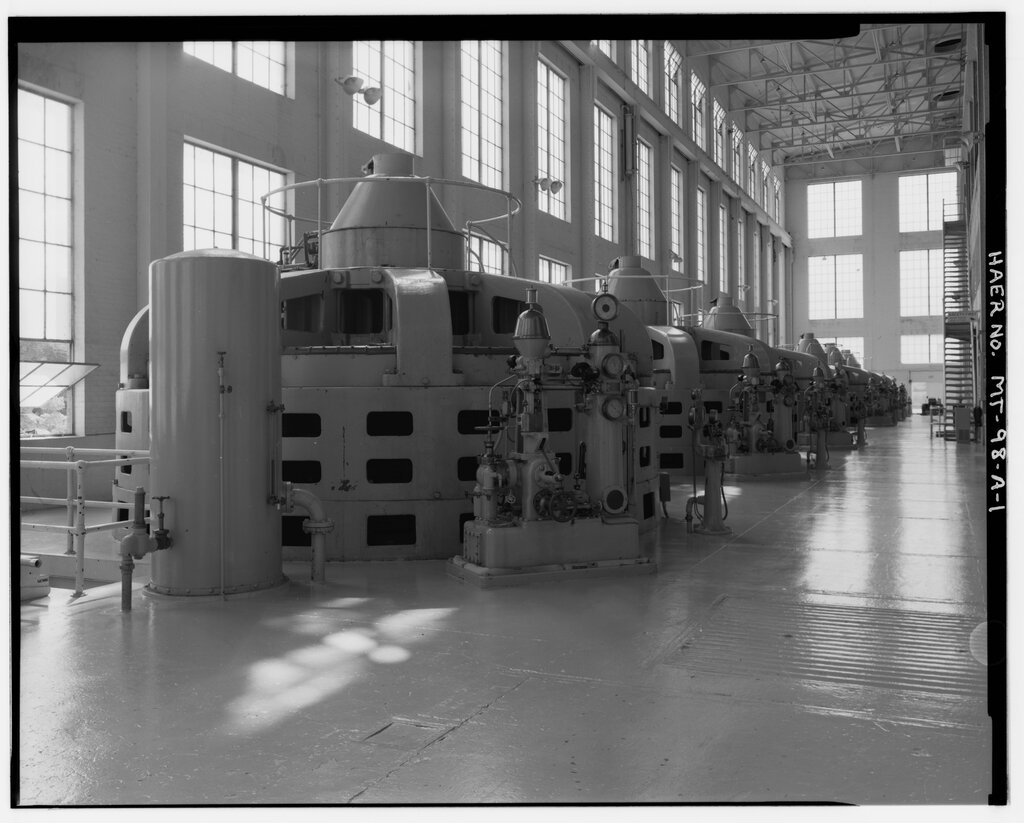
This spinning mass creates something called rotational inertia. Think of a heavy merry-go-round. Once you get it spinning, its weight and momentum make it hard to speed up or slow down. Synchronous generators act the same way for the grid. Their physical inertia provides a buffer against sudden changes in electricity supply or demand, keeping the grid's frequency stable at a precise 50 or 60 Hz. A stable frequency is a sign of a healthy grid.
Renewable sources like solar and wind are different. They are (IBRs). A solar panel produces direct current (DC) electricity. To be useful on the grid, this DC power must be converted to alternating current (AC) using a device called an inverter. These resources have no large, spinning physical parts, and therefore contribute no natural rotational inertia to the system.
When the Grid Gets Jittery
Losing rotational inertia makes the grid more fragile. Without that massive spinning buffer, the grid's frequency becomes much more sensitive to changes. Imagine swapping a heavy, sturdy merry-go-round for a lightweight plastic one. The slightest push or pull would cause its speed to change erratically. Similarly, on a grid with high IBR penetration, a sudden cloud cover reducing solar output or a large factory turning on its equipment can cause the frequency to drop quickly.
The increasing penetration of renewable energy sources has been leading to the progressive phase-out of synchronous generators, which constitute the main source of frequency stability for electric power systems.
If the frequency deviates too far from its target (usually 50 or 60 Hz), protective systems kick in and can shut down parts of the grid to prevent widespread damage, leading to blackouts. The entire system relies on maintaining this delicate balance in real time.
Another challenge is voltage control. Large synchronous generators naturally help regulate voltage on the grid by providing or absorbing what's known as It’s a bit like the foam on a beer; it doesn't quench your thirst, but it's essential for maintaining the overall quality and pressure of the system. Traditional inverters don't inherently provide this service, which can lead to voltage instability in local areas of the grid.
Smarter Electronics, Stable Grid
Engineers are not standing still. The solution to the problems created by inverters is...smarter inverters. Advanced power electronics are being designed to mimic the stabilizing properties of old-school generators.
One of the most promising technologies is the grid-forming inverter. Unlike conventional inverters that just follow the grid's lead, grid-forming inverters can actively create their own stable voltage and frequency. They use sophisticated software to simulate the physical properties of rotational inertia. They can essentially act as a virtual synchronous generator, providing the stability the grid needs without any moving parts.
For situations where there are large concentrations of IBRs, utilities can also install devices called synchronous condensers. These are essentially synchronous generators with the engine part removed. They don't produce any power; they just spin freely on the grid. Their sole purpose is to provide rotational inertia and reactive power, acting as a dedicated grid stabilizer.
Too Much of a Good Thing?
It might seem strange, but sometimes the biggest problem isn't a lack of green energy, but too much of it. On a sunny and windy Sunday afternoon when demand is low, solar and wind farms might generate more electricity than the grid can handle. This overgeneration is just as dangerous as undergeneration, as it can cause frequency and voltage to spike to damaging levels.
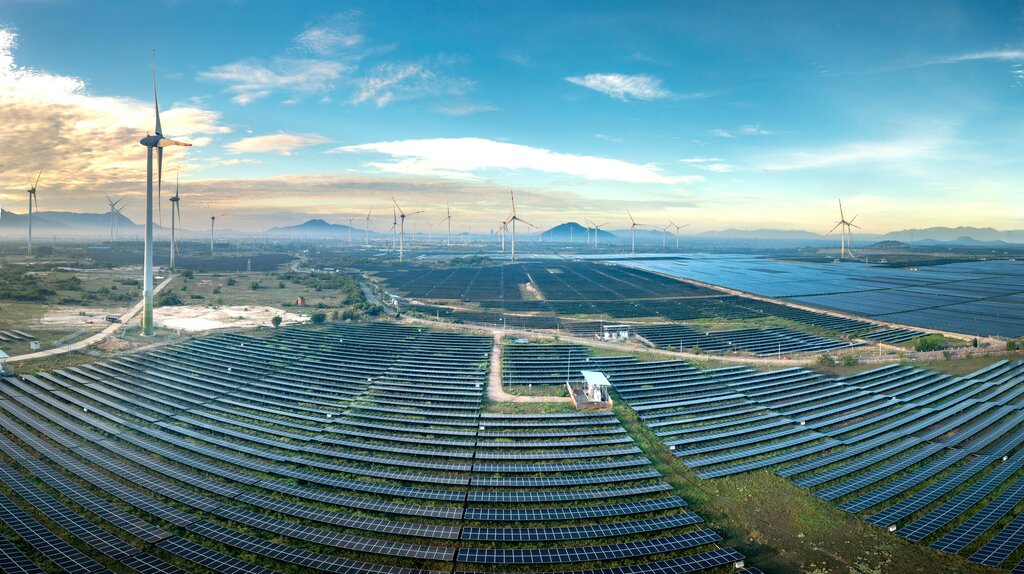
To prevent this, grid operators must sometimes resort to This means they intentionally command wind or solar farms to reduce their output—essentially wasting clean energy to keep the grid from overloading. Operators use sophisticated weather and demand forecasting models to anticipate these periods and minimize curtailment, but it remains a significant challenge. Better energy storage, like large-scale batteries, is a key solution, allowing this excess energy to be saved for later instead of being thrown away.
Building a 100% renewable grid isn't just about installing more solar panels and wind turbines. It requires a fundamental rethinking of how we maintain stability in a system that is becoming faster, more distributed, and more complex. Through smart electronics and careful management, we can build a clean energy future that is just as reliable as the one we have today.