Greek Salad Fun for Kids
Introduction to Greek Salad
The Famous Greek Salad
When you think of Greek food, a fresh, vibrant salad probably comes to mind. This iconic dish is a staple of Greek cuisine, known for its simple ingredients and incredible flavor. In Greece, it’s not actually called a “Greek salad.” Its real name tells you a lot about its origins.
village salad
The name translates to “village salad,” and that’s the perfect description. It’s a rustic dish made from fresh, seasonal vegetables you'd find in a country garden. It represents the heart of Greek hospitality and the Mediterranean diet: simple, wholesome, and delicious.
You'll find horiatiki on the table in almost every Greek home and taverna, especially during the warm summer months when the vegetables are at their peak. It’s more than just a side dish; it’s a centerpiece of the meal, meant for sharing.
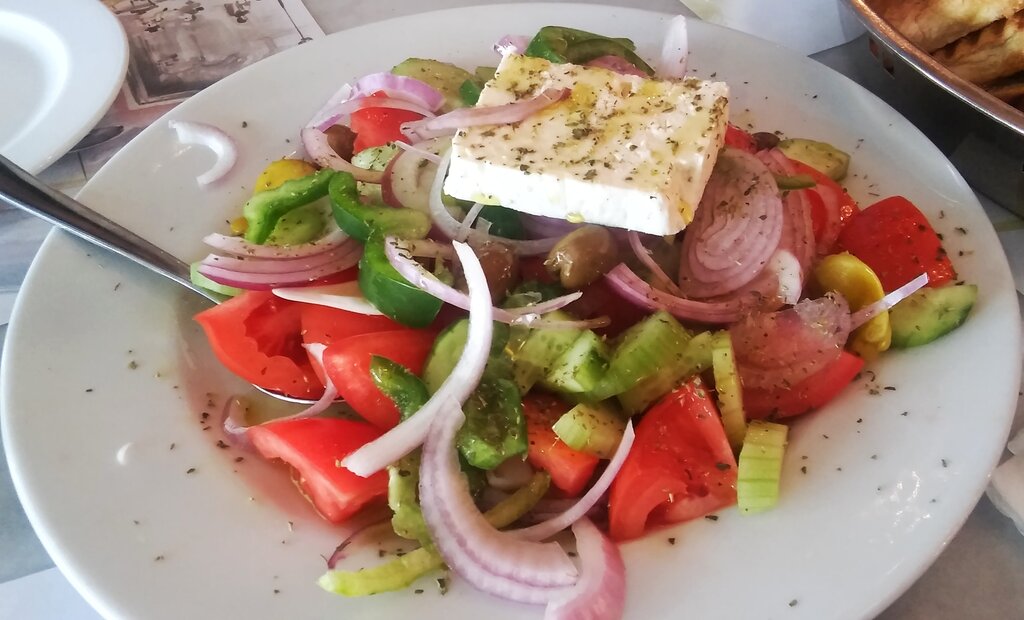
Classic Ingredients
The magic of a true Greek salad lies in its simplicity. There’s no lettuce or fancy dressing. It’s all about the quality of a few core ingredients coming together.
| Ingredient | Description |
|---|---|
| Tomatoes | Ripe, juicy, and cut into wedges. |
| Cucumbers | Crisp and refreshing, usually peeled and sliced thickly. |
| Red Onion | Sliced into thin rings for a sharp flavor. |
| Olives | Typically Kalamata olives, known for their rich taste. |
| Feta Cheese | A generous block of salty sheep's milk cheese. |
| Olive Oil | A drizzle of high-quality extra virgin olive oil. |
| Oregano | A sprinkle of dried Greek oregano over the feta. |
Sometimes you might find green bell peppers or capers included, but the list above contains the essentials. The ingredients are left in large chunks, not finely chopped, celebrating their natural textures and flavors.
Now that you know what goes into this classic dish, you're ready to start learning the Greek names for each ingredient.