Greek Myths and Legends
Introduction to Greek Mythology
What Are Myths Anyway?
Before science could explain why the sun rises or why seasons change, people came up with stories. These weren't just any stories. They were powerful tales full of gods, goddesses, and heroes that helped explain the world and how to live in it. This collection of stories is what we call mythology.
mythology
noun
A collection of myths, especially one belonging to a particular religious or cultural tradition, used to explain history, nature, or customs.
For the ancient Greeks, myths were a mix of religion, entertainment, and a science textbook. A clap of thunder wasn't just a weather event; it was the mighty god Zeus showing his anger. These stories gave meaning to a world that could often feel random and scary. They also taught lessons about right and wrong, bravery, and the dangers of pride.
Think of it this way: a myth about a hero fighting a monster wasn't just a cool action story. It was also a lesson about courage in the face of the unknown.
For example, have you ever wondered why we have winter? The Greeks had a myth for that. They told the story of Persephone, a goddess who was taken to the underworld. Her mother, Demeter, the goddess of the harvest, was so sad that she made the world cold and barren until her daughter could return. When Persephone came back for part of the year, Demeter was happy, and spring and summer arrived. This story gave a human face to the changing of the seasons.
Stories for Everyone
Long before most people could read or write, myths were passed down through oral tradition. Storytellers would travel from town to town, reciting epic poems and tales to captivated audiences. Families would share them around the fire at night. These stories were alive, changing slightly with each telling.
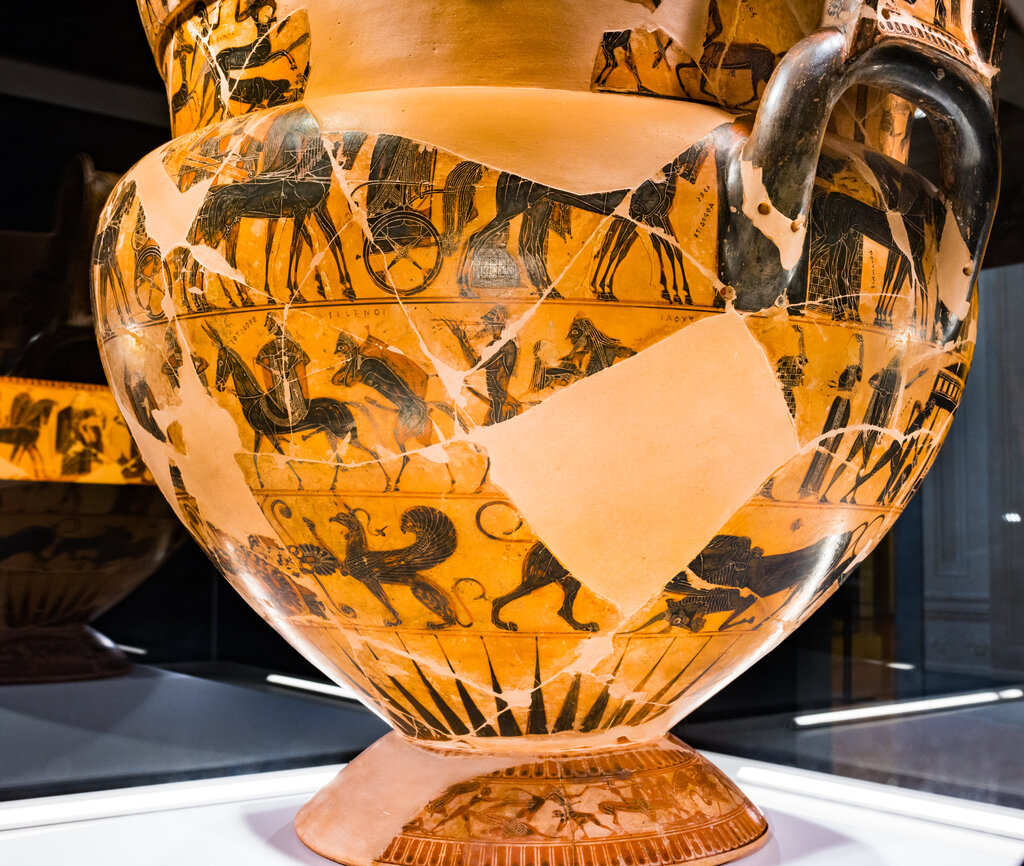
Later, these myths were captured in art and literature. Potters painted famous scenes on vases, and sculptors carved gods and heroes from marble. Great poets like Homer wrote down long, detailed versions of these stories, like the Iliad and the Odyssey. This is how many of the myths we know today were preserved, giving us a window into the ancient Greek world.
Why We Still Love These Stories
So why are we still talking about stories that are thousands of years old? Because they're still everywhere. You've probably heard of brands like Nike, named after the Greek goddess of victory. Or maybe you've read books like the Percy Jackson series, which bring the old myths into the modern world.
Even today, 2,000 years after Christianity tried to consign them to the waste bin labelled "wicked pagan fictions", the myths of the ancient Greeks live and breathe.
The themes in these myths are timeless. They deal with love, jealousy, war, and the search for meaning, things that people still experience today. They've inspired countless paintings, books, plays, and movies. These ancient tales are more than just old stories; they are part of the foundation of Western culture.
Ready to check what you've learned about the world of myths?
For the ancient Greeks, what was the primary purpose of the stories we call myths?
The story of Demeter and her daughter Persephone was created to explain which natural phenomenon?
These stories provided a framework for understanding the world, and as we'll see, they were filled with some of the most memorable characters ever imagined.