GRC Fundamentals
Introduction to GRC
The What and Why of GRC
Think of a successful organization like a well-captained ship. The captain doesn't just point the ship in a direction and hope for the best. They have a destination (goals), a set of rules for the crew (policies), a map of the seas (data), and a constant watch for storms (risks). This entire system of direction, control, and awareness is the essence of Governance, Risk Management, and Compliance, or GRC.
Governance
noun
The system of rules, practices, and processes by which an organization is directed and controlled. It's the framework that ensures accountability, fairness, and transparency in a company's relationship with all its stakeholders.
Governance is the 'G' in GRC. It’s the leadership's job to set the organization's objectives and establish the internal policies and structures to achieve them. It’s the big-picture strategy. Who has the authority to make decisions? How are those decisions communicated? How do we ensure we’re acting ethically and in line with our values? Governance provides the answers.
Risk Management
noun
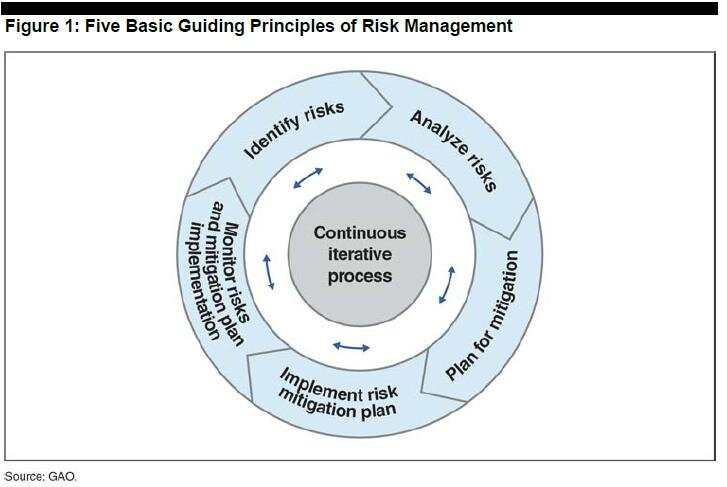
The process of identifying, assessing, and controlling threats to an organization's capital and earnings. These threats, or risks, could stem from a wide variety of sources, including financial uncertainty, legal liabilities, strategic management errors, accidents, and natural disasters.
Next comes 'R' for Risk Management. No journey is without potential problems. A storm could blow the ship off course, or a supply shortage could create issues for the crew. Risk management is the process of looking ahead to identify these potential problems, evaluating how likely they are to happen and how damaging they could be, and then deciding what to do about them. The goal isn't to eliminate all risk—that's impossible. It's to manage it intelligently.
Compliance
noun
The act of adhering to stated requirements. In a business context, this means ensuring that the organization's policies and procedures, as well as external laws and regulations, are being followed.
Finally, the 'C' stands for Compliance. Every ship has to follow the laws of the sea—maritime regulations, international treaties, and port rules. In business, this means complying with laws, industry regulations, and standards. Compliance also means following the internal rules set by governance. It’s the proof that the organization is doing what it's supposed to be doing.
A Three-Legged Stool
Governance, Risk, and Compliance aren't separate activities. They are deeply interconnected, like a three-legged stool. If one leg is weak, the whole stool becomes unstable.
Governance sets the direction and the rules. Risk management looks at what could prevent the organization from following those rules and achieving its goals. Compliance confirms that the rules and controls are being followed. It’s a continuous feedback loop.
Governance affects risk and compliance, risk affects governance and compliance, and compliance affects governance and risk.
For example, a company’s governance might state a policy to protect customer data. The risk management team would then identify potential threats, like a data breach. To mitigate that risk, they might implement security controls. The compliance team then audits those controls to ensure they are working and that the company is adhering to data privacy laws like GDPR or CCPA. The results of that audit feed back to governance, which might update the policy based on the findings.
Why It Matters Now
In the past, these three areas were often managed in separate departments. This created silos, where information wasn't shared, work was duplicated, and critical risks could be missed in the gaps.
The modern approach is to integrate GRC. An integrated strategy provides a holistic view of the organization. It helps leaders make better, more informed decisions because they see the full picture of objectives, risks, and requirements. This leads to less wasted effort, lower costs, and a more resilient organization that can adapt to change and protect its reputation.
The idea of formal business governance has been around for decades, but the integrated GRC field really took shape in the early 2000s. A series of major corporate scandals led to new regulations, forcing companies to be more transparent and accountable. At the same time, the business world was becoming more complex and digital, introducing new kinds of risks. GRC evolved as a way to manage this new reality.
Now, let's test your understanding of these core concepts.