GRC Fundamentals
Introduction to GRC
The GRC Trio
Every organization, from a small startup to a global corporation, needs a game plan. It needs rules for making decisions, a way to handle surprises, and a commitment to follow the law. This is where GRC comes in. GRC stands for Governance, Risk Management, and Compliance.
A GRC (Governance, Risk, and Compliance) framework is a structured approach that unifies an organization’s governance, risk management, and compliance practices under one system.
Think of it as an integrated strategy. Instead of treating these three areas as separate silos, GRC brings them together. This unified approach helps a company operate ethically, manage uncertainty, and act with integrity. Let's break down each piece.
Governance: The Steering Wheel
Governance is about direction and control. It's the set of rules, practices, and processes used to manage a company. It answers questions like: Who has the authority to make decisions? How do we ensure we're acting ethically? What are our goals, and how do we plan to reach them?
Governance
noun
The system of rules, practices, and processes by which a company is directed and controlled. It involves balancing the interests of a company's many stakeholders, such as shareholders, management, customers, and the community.
Effective governance provides the structure for achieving objectives. It ensures everyone is working towards the same vision and that the organization is accountable for its actions. It's the leadership's job to set the course and make sure the company stays on it.
Risk Management: Charting the Course
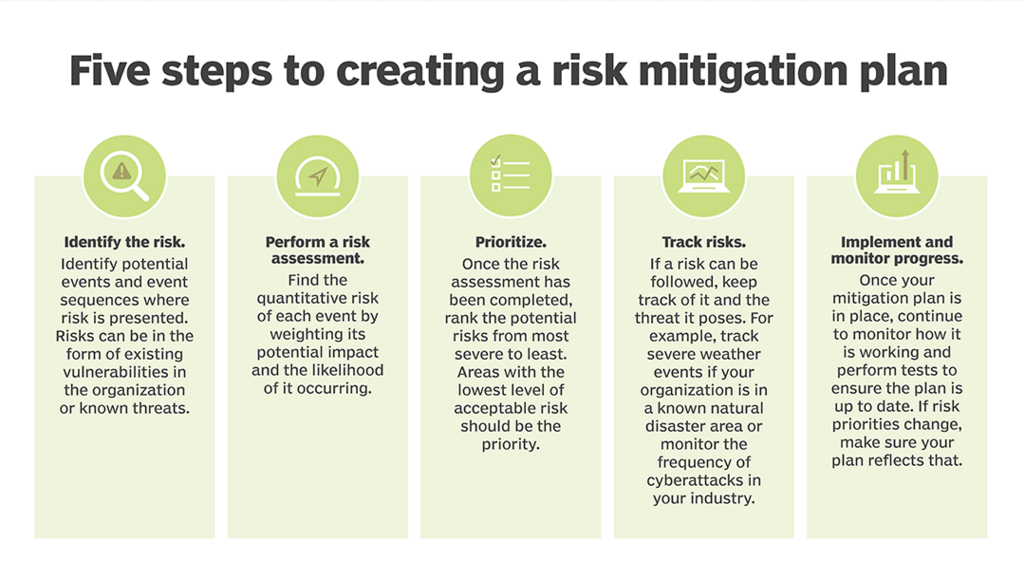
No journey is without potential obstacles. Risk management is the process of identifying, assessing, and controlling threats to an organization's capital and earnings. These threats, or risks, could stem from a wide variety of sources, including financial uncertainty, legal liabilities, technology issues, or natural disasters.
The goal of risk management isn't to eliminate all risk. It's to understand potential problems before they occur so you can make informed decisions and have a plan ready.
A good risk management process is proactive, not reactive. It involves looking ahead, anticipating potential challenges, and deciding how to handle them. This could mean avoiding a risk, reducing its potential impact, or simply accepting it.
Compliance: Following the Rules of the Road
Compliance means following the rules. Every organization is subject to laws, regulations, standards, and internal policies. The compliance function makes sure the company adheres to them. This can range from workplace safety regulations and data privacy laws to industry-specific standards.
Compliance
noun
The action or fact of complying with a wish or command, and adherence to laws, regulations, guidelines, and specifications relevant to a business process.
Failing to comply can lead to hefty fines, legal trouble, and a damaged reputation. But compliance is more than just avoiding penalties. It's about demonstrating that the organization is ethical, responsible, and trustworthy.
Stronger Together
The real power of GRC comes from integrating these three components. They are deeply interconnected and influence each other constantly.
Governance affects risk and compliance, risk affects governance and compliance, and compliance affects governance and risk.
Here's how they connect:
- Governance sets the tone. It establishes the rules and structures that guide risk management and compliance activities.
- Risk management informs governance. By identifying potential risks, it helps leaders make better strategic decisions.
- Compliance is a key risk area. Failing to comply with a regulation is a significant risk that must be managed.
- Compliance data informs risk. Information from compliance activities can highlight new risks or changes in the regulatory landscape.
When these functions work in harmony, the organization becomes more resilient and efficient. An integrated GRC approach eliminates redundant tasks, improves communication between departments, and provides leaders with a holistic view of the organization. This leads to better decision-making, reduced costs, and a stronger ethical culture.
Ready to test your understanding of these core concepts?
What does the acronym GRC stand for?
Which component of GRC is primarily concerned with setting the organization's direction, defining roles, and establishing decision-making authority?
By understanding and integrating Governance, Risk Management, and Compliance, an organization can build a strong foundation for sustainable success.