GRC Cybersecurity Fundamentals
Introduction to GRC
What is GRC?
In the world of cybersecurity, technology is only part of the puzzle. To truly protect an organization, you need a strategy. That's where GRC comes in. It stands for Governance, Risk Management, and Compliance, the three pillars that support a strong security posture.
Governance, Risk Management, and Compliance (GRC) is a comprehensive framework organizations use to ensure they operate ethically, efficiently, and in alignment with laws and regulations.
Let's break down each component.
Governance
noun
This is the 'G' in GRC. It's about setting the rules and direction for the organization. Think of it as the company's leadership defining the overall strategy, policies, and standards for how information and technology should be managed and protected. Governance answers the question: 'How do we steer the ship?'
Risk
noun
This is the 'R'. Risk management is the process of identifying, assessing, and mitigating potential threats to an organization. It's about looking into the future, anticipating what could go wrong, and putting a plan in place to deal with it. Risk management asks: 'What dangers are on the horizon, and are we prepared for them?'
Compliance
noun
Finally, the 'C' is for compliance. This involves making sure the organization is following all the relevant laws, regulations, standards, and internal policies. It’s the process of verifying that you're playing by the rules, whether they're set by a government (like GDPR) or by the company's own governance team. Compliance asks: 'Are we doing what we're supposed to be doing?'
The GRC Connection
These three components aren't independent silos. They are deeply interconnected and work together in a continuous cycle. Good governance sets the strategy, risk management identifies the obstacles to that strategy, and compliance ensures the measures taken are followed.
Imagine a company wants to allow employees to work from home.
-
Governance steps in first. Leadership creates a 'Remote Work Policy' that outlines the rules: employees must use company laptops and connect through a secure VPN.
-
Risk Management then assesses the dangers. What if an employee's home Wi-Fi is insecure? What if a laptop is stolen? To mitigate these risks, they require multi-factor authentication and enable remote data wiping on all devices.
-
Compliance follows up. The IT team regularly audits VPN logs and device configurations to ensure everyone is following the policy and that the security controls are working as intended. They generate reports to prove the company is protecting its data.
This cycle provides feedback. If the compliance audits find that many employees are not using the VPN, that information goes back to governance, which might decide to clarify the policy or invest in easier-to-use technology.
Why GRC is Crucial for Security
In cybersecurity, a GRC framework moves an organization from a reactive to a proactive state. Instead of just responding to attacks after they happen, a GRC approach helps a company build a resilient, defensible system from the ground up.
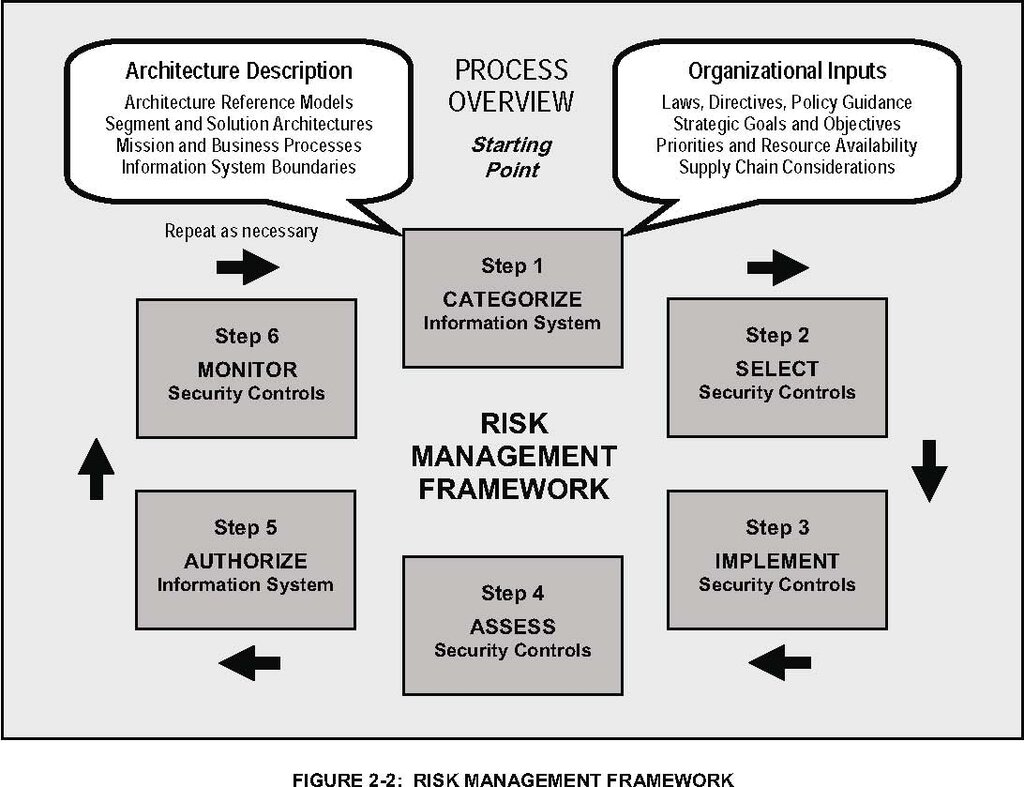
Without GRC, security efforts can be chaotic and fragmented. One department might buy the latest security software while another neglects basic password policies. There is no unified direction or way to measure success.
A GRC framework provides that structure. It ensures that security decisions align with business goals, that investments are made wisely to address the most significant risks, and that the organization can prove its security and trustworthiness to customers and regulators.
By integrating these functions, GRC helps organizations avoid silos, make better-informed decisions, and operate more effectively in a complex regulatory and threat landscape.
Now let's check your understanding of these core concepts.
In the context of cybersecurity, what does the 'G' in GRC stand for?
A company's leadership team writes a new policy that mandates all employees must use multi-factor authentication (MFA) to access company email. Which pillar of GRC does this action primarily represent?
GRC provides the essential structure for an effective cybersecurity program. By establishing clear governance, understanding and managing risks, and ensuring compliance, organizations can build a durable defense against modern threats.