GRC Cybersecurity Essentials
Introduction to GRC
The GRC Trio
In cybersecurity, protecting an organization is about more than just firewalls and antivirus software. It requires a structured approach to decision-making. That's where Governance, Risk Management, and Compliance (GRC) come in. Think of GRC as a framework that helps a company align its IT goals with its business objectives, all while managing risks and meeting legal requirements.
GRC is a system or a set of processes designed to help an organization make better goals and strategies, address a business's uncertainties, and meet compliance requirements.
These three pillars don't work in isolation. They are interconnected and create a strong, unified defense. Let's break down each component.
Governance The Rulebook
Governance is the foundation. It involves creating the policies, standards, and processes that guide an organization's security efforts. It’s the leadership team defining the rules of the game. Who is responsible for what? What are the strategic goals for security? How will success be measured?
Good governance ensures that security activities are aligned with the business's mission and support its goals, rather than hindering them. It provides a clear structure for decision-making and accountability, so everyone knows their role in protecting the organization's assets.
Governance
noun
The system of rules, practices, and processes by which an organization directs and controls its cybersecurity posture.
Governance ensures everyone plays by the same security rules, from the top down.
Risk Management The Game Plan
Once the rules are set, the next step is to figure out what could go wrong. That's risk management. It’s the process of identifying, assessing, and responding to potential threats and vulnerabilities. You can't protect against every possible threat, so risk management helps you prioritize.
This involves asking questions like:
- What are our most valuable digital assets?
- What threats could compromise them?
- How likely are these threats to occur, and what would the impact be?
Based on the answers, the organization develops a strategy. This could mean avoiding a risk, accepting it, reducing its impact, or transferring it to another party, like through insurance.
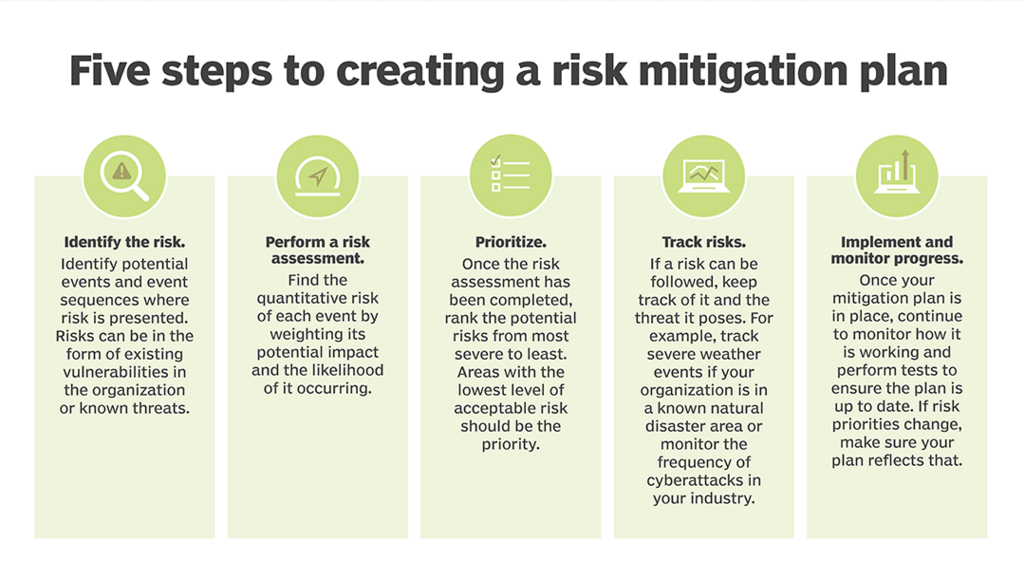
This isn't a one-time task. The digital landscape is always changing, so risk management must be a continuous cycle of identifying new threats and adjusting the game plan accordingly.
Compliance The Audit
Compliance means following the rules, whether they are set by governments, industry bodies, or the organization's own policies. It’s the proof that you’re doing what you’re supposed to do.
These rules can be broad, like the General Data Protection Regulation (GDPR) in Europe, or specific to an industry, like the Health Insurance Portability and Accountability Act (HIPAA) for healthcare in the U.S. Compliance involves understanding these requirements, implementing controls to meet them, and providing evidence through audits and reports.
While governance sets internal rules, compliance is about adhering to external ones.
Failing to comply can lead to hefty fines, legal trouble, and a damaged reputation. But compliance isn't just about avoiding penalties. Following established security frameworks often leads to a stronger, more resilient security posture.
How They Work Together
GRC is a cycle, not a checklist. Each component feeds into the others.
- Governance sets the strategy and policies.
- Risk Management identifies the specific threats and vulnerabilities that could prevent the organization from following that strategy.
- Compliance ensures the chosen controls and actions meet legal and regulatory standards.
Information flows between them. For instance, a new compliance regulation (Compliance) might require a change in policy (Governance), which in turn creates a new set of items to manage (Risk Management). A major new threat (Risk Management) might require new security rules (Governance) to ensure the company stays protected (Compliance).
By integrating these three disciplines, organizations can make smarter, more informed security decisions, protect themselves more effectively, and build trust with their customers and partners.
What is the primary goal of implementing a Governance, Risk Management, and Compliance (GRC) framework in an organization?
The 'Governance' component of GRC is primarily concerned with establishing ______.
This integrated approach is fundamental to building a mature and effective cybersecurity program.