GRC Business Continuity Operational Resilience Synergy
Foundations of GRC
The Three Pillars of GRC
Every organization, from a small startup to a global corporation, needs a game plan. They need rules for how to operate, a strategy for dealing with the unexpected, and a way to ensure they're following the law. This is where Governance, Risk Management, and Compliance—or GRC—comes in. It's not three separate activities, but one integrated approach to running an organization effectively and ethically.
Governance, Risk Management, and Compliance (GRC) is a comprehensive framework organizations use to ensure they operate ethically, efficiently, and in alignment with laws and regulations.
Governance: Setting the Rules
Governance is the 'G' in GRC. Think of it as the organization's rulebook and decision-making structure. It's the system of rules, practices, and processes used to direct and control a company. This includes everything from the corporate charter and bylaws to the roles of the board of directors and management.
The main goal of governance is to ensure accountability, fairness, and transparency. It answers the questions: Who has the authority to make decisions? How are stakeholders' interests, like those of investors, employees, and customers, taken into account? Good governance aligns the company's actions with its strategic goals and ethical values.
This structure ensures that operations are managed effectively and that the organization is steered in the right direction to meet its objectives.
Risk Management: Navigating Uncertainty
Risk Management is the 'R'. No organization operates in a vacuum; there are always uncertainties that could impact its ability to succeed. These can be financial risks, like a market downturn, operational risks, like a supply chain disruption, or strategic risks, like a new competitor entering the market.
Risk management is the process of identifying, assessing, and controlling these threats. The goal isn't to eliminate all risk—that's impossible. Instead, it's about making informed decisions to minimize negative impacts and even seize opportunities that arise from uncertainty. It’s about being prepared.
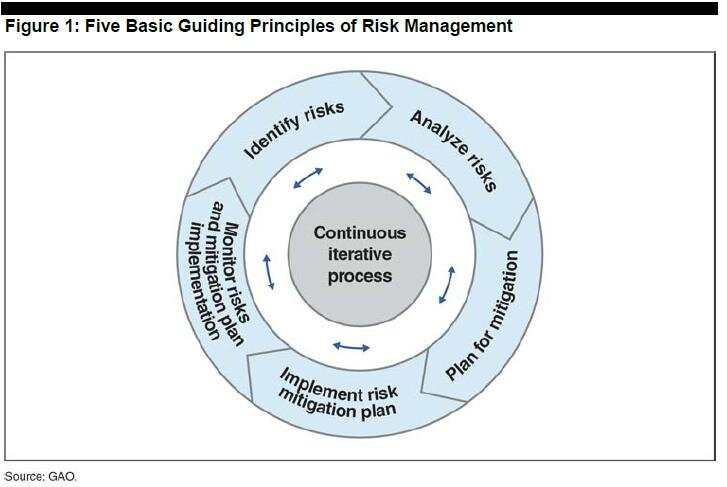
By systematically analyzing risks, an organization can prioritize its resources to protect itself against the most significant threats, ensuring it remains resilient and stable.
Compliance: Playing by the Rules
Compliance is the 'C' in GRC. It means conforming to a rule, such as a specification, policy, standard, or law. Every industry has its own set of regulations. For example, hospitals must comply with patient privacy laws, and public companies must follow financial reporting rules.
The objective of compliance is straightforward: to ensure the organization abides by all applicable external laws and internal policies. Failing to do so can result in hefty fines, legal trouble, and serious damage to a company's reputation. Compliance isn't just about avoiding penalties; it's about demonstrating integrity and building trust with customers, regulators, and the public.
A strong compliance program helps embed ethical conduct into the fabric of the organization.
How GRC Works Together
The true power of GRC lies in its integrated approach. These three pillars don't operate in silos; they are deeply interconnected and influence one another.
- Governance sets the goals and the framework for how to achieve them.
- Risk Management assesses the potential roadblocks and obstacles that could prevent the organization from reaching those goals.
- Compliance ensures that the journey to achieve those goals is done in accordance with all relevant laws and regulations.
Think of it like planning a road trip. Governance is deciding on the destination and the route. Risk management is checking the weather forecast for storms and making sure the car has a spare tire. Compliance is following the speed limit and traffic laws along the way.
When these three elements are aligned, an organization can operate more efficiently and make better, more informed decisions. This unified approach reduces redundancy, improves communication across departments, and provides a holistic view of the organization's health.
The ultimate impact of a strong GRC framework is improved organizational performance. By managing risks effectively, operating ethically, and making strategic decisions with a clear line of sight, companies can build resilience, protect their reputation, and create sustainable value over the long term.