Graphic Design to UX Design Career Switch
Introduction to UX Design
What Is UX Design?
User Experience (UX) design is the process of making a product or service useful, easy, and enjoyable to use. It’s not just about how something looks, but how it feels and how it works for the person using it. Think of it like the architecture of a building. A graphic designer might focus on the color of the walls and the style of the furniture, but a UX designer is the architect who plans the layout of the rooms, making sure you can move easily from the kitchen to the living room and that the light switches are exactly where you'd expect them to be.
The goal of UX is to create a seamless and intuitive experience that meets the user's specific needs. It's about understanding the user’s journey from start to finish and removing any friction along the way.
Good UX is invisible. When a product works just the way you expect, you don't even notice the design. You just accomplish your goal.
Graphic Design vs. UX Design
While both graphic design and UX design involve creativity and a deep understanding of aesthetics, their core objectives are different. Graphic design is primarily focused on visual communication and creating a specific look and feel. UX design is broader, focusing on the user's overall interaction with a product.
Here’s a breakdown of the key differences:
| Graphic Design | UX Design | |
|---|---|---|
| Primary Goal | To communicate a message visually and evoke emotion. | To solve a user's problem and make a product easy to use. |
| Focus | Aesthetics, branding, visual identity. | Usability, functionality, user psychology. |
| Process | Often linear: concept, design, final asset. | Iterative: research, ideate, prototype, test, repeat. |
| Deliverables | Logos, illustrations, marketing materials, style guides. | Wireframes, prototypes, user flow diagrams, research findings. |
A graphic designer creates a beautiful button. A UX designer figures out where that button should go and what should happen when you click it.
Core Principles of UX
Effective UX design isn't random; it's guided by a set of core principles that ensure the final product is both functional and delightful for the user. Three of the most fundamental principles are user-centered design, usability, and consistency.
One of the key responsibilities of a designer during any design process is to be an advocate for the user.
User-Centered Design This is the bedrock of UX. It means placing the user at the heart of every design decision. Instead of assuming what users want, UX designers conduct research to understand their behaviors, needs, and motivations. This involves creating user personas, mapping out their journeys, and gathering feedback directly from them. Every choice, from the layout of a screen to the wording of a label, is made with the user's perspective in mind.
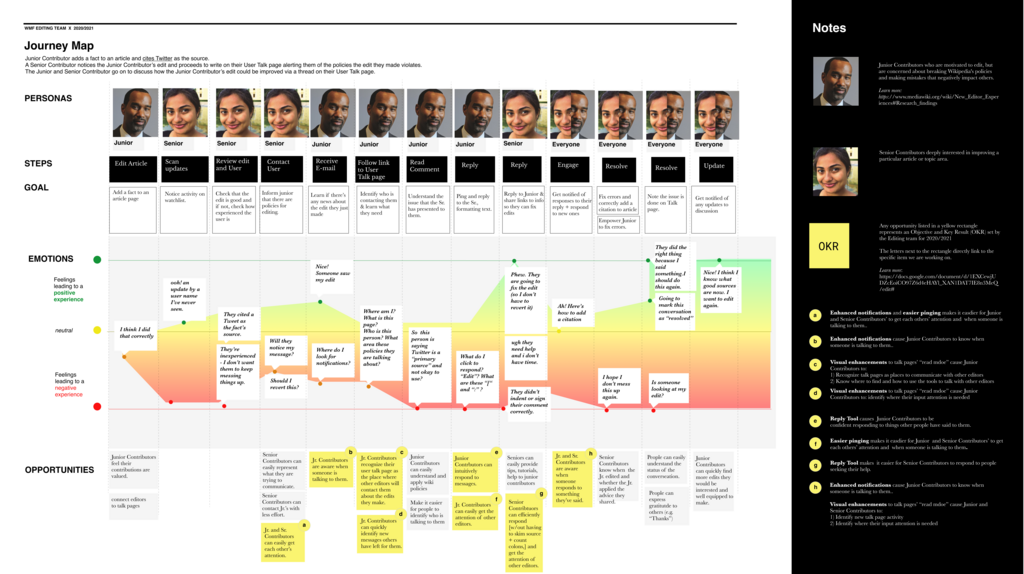
Usability If a product isn't usable, even the most beautiful design is worthless. Usability is about making sure a product is easy to learn and efficient to use.
Usability
noun
The ease with which a user can interact with a product or service to achieve a specific goal.
A usable product feels intuitive. Users don't have to stop and think about how to perform a task; the path forward is clear and logical. This reduces frustration and helps users accomplish their goals quickly.
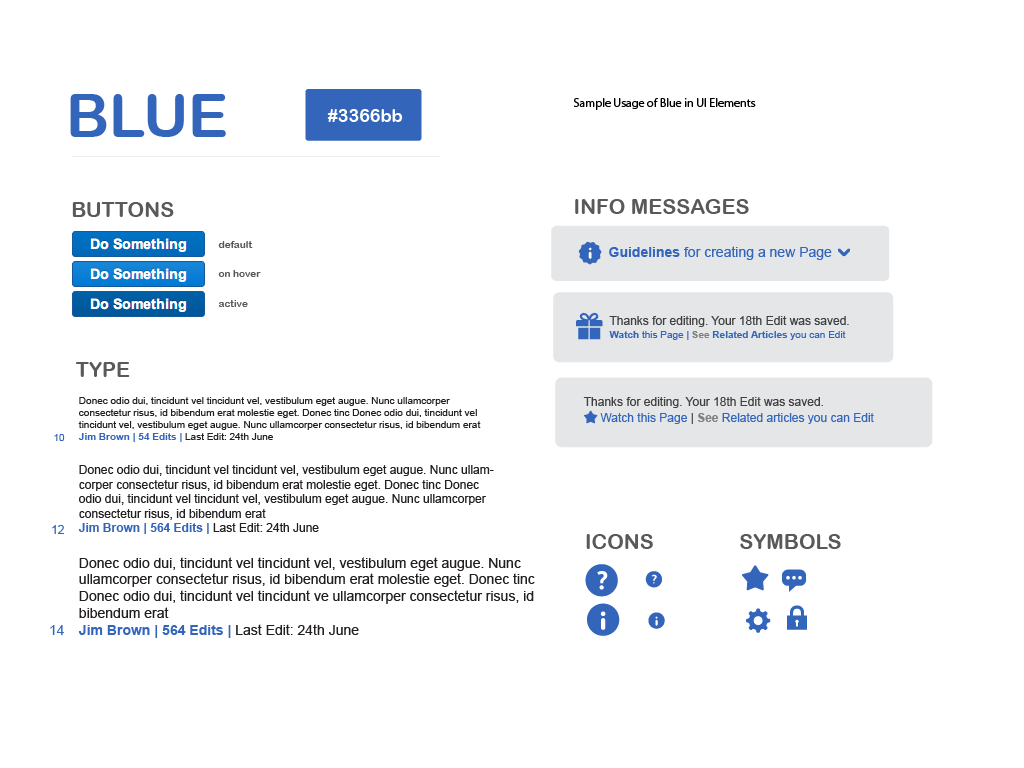
Consistency Consistency creates a sense of familiarity and predictability. When similar elements look and behave in similar ways throughout a product, users can learn the interface much faster. This applies to everything from colors and fonts to button styles and navigation menus. A consistent design language means users can transfer their knowledge from one part of the product to another without confusion.
Now that you've got the basics down, let's test your knowledge.
Which of the following best describes the primary goal of User Experience (UX) design?
A graphic designer might focus on creating a beautiful button, while a UX designer would focus on...
Understanding these foundational concepts is the first step in thinking like a UX designer.