Graphic Design to UX Design Career Switch
User-Centered Design Principles
Putting Users First
User-centered design (UCD) is a design philosophy. It places the person who will use a product at the center of the entire process. Instead of building something and hoping people like it, UCD starts with understanding the user's needs, goals, and limitations. Everything that follows—from the first sketch to the final product—is based on that understanding.
The goal is to create products that are not just functional, but also intuitive, efficient, and enjoyable to use. It's about solving the right problem for the right person.
The Core Principles
User-centered design is guided by a few key principles. Embracing them helps ensure the final product truly serves its users.
First, you must have a deep understanding of your users and their context. Who are they? What are they trying to accomplish? What challenges do they face? This means moving beyond assumptions and gathering real insights about their behaviors and needs. It's about building empathy and seeing the world from their perspective.
One of the key responsibilities of a designer during any design process is to be an advocate for the user.
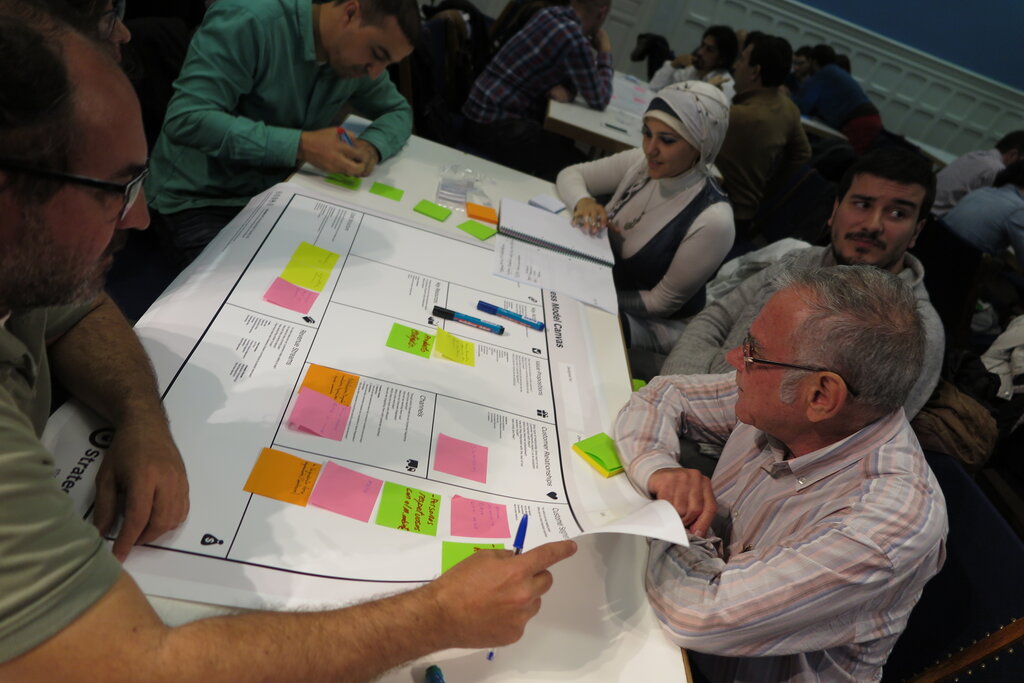
Second, users must be involved throughout the design and development process. This isn't a one-time interview at the beginning. It's an ongoing conversation. Users can provide feedback on early ideas, test prototypes, and help designers spot problems they might have missed. This continuous collaboration ensures the project stays on track and aligned with user expectations.
When you put these principles together, you get products that feel like they were made just for you. They solve your problems without creating new ones, making tasks simpler and more pleasant.
Design, Test, Repeat
The third core principle is iteration. The first design is never the final design. User-centered design is a cyclical process of refining ideas based on real-world feedback.
The process generally looks like this:
- Design: Create a potential solution to the user's problem. This could be anything from a simple sketch to a detailed digital mockup.
- Prototype: Build a testable version of the design. A prototype lets users interact with the idea, even if it's not fully functional.
- Test: Put the prototype in front of actual users and observe how they use it. Do they understand it? Can they complete their tasks? Where do they get stuck?
- Refine: Use the feedback and observations from testing to improve the design. Then, the cycle begins again.
This loop repeats until the design effectively meets the user's needs in an intuitive way. Each cycle brings the product closer to a solution that works.
By following these principles—understanding the user, involving them in the process, and iterating on designs—teams can create products that people not only can use, but want to use. This approach reduces the risk of building the wrong thing, saving time and resources while leading to a much more successful outcome.
What is the primary philosophy of User-Centered Design (UCD)?
In the iterative cycle of UCD, what is the primary purpose of the 'Prototype' stage?