Graphic Design Principles and Application
Grid Systems
The Anatomy of a Grid
A grid is the invisible skeleton that holds a design together. It’s a framework of intersecting lines that guides the placement of text, images, and other elements on a page or screen. While there are many types of grids, they all share a few fundamental components.
Columns are the vertical sections that hold your content. The width of your columns is a foundational decision in any grid.
Gutters are the spaces between columns. They create breathing room and prevent content in adjacent columns from running together.
Margins are the negative space around the edges of the page or screen. They frame your content and separate it from the environment.
Flowlines are horizontal lines that create stopping points or alignments for content. They help guide the eye across the page and can be used to create consistent starting and ending points for elements.
Types of Grids
Not all grids are created equal. The type of grid you choose depends on the complexity of your content and the medium you're designing for. The two most common types are column and modular grids.
Column Grid
noun
A grid that divides a page into a specified number of vertical fields. Content can span one or more columns.
Column grids are the workhorses of web and publication design. They are defined by the number of columns they contain, often 12 for web design because 12 is divisible by 2, 3, 4, and 6, offering great flexibility. An element can span any number of these columns, allowing for a wide variety of layouts.
A modular grid takes this a step further. It's what you get when you add horizontal rows to a column grid. This creates a grid of individual cells, or modules.
Modular grids are ideal for complex projects like newspapers, forms, or image galleries, where content needs to be organized both vertically and horizontally.
Working with a modular grid means placing content into these modules. An element might fill a single module or span several modules horizontally and vertically, creating a systematic and highly organized feel.
Rhythm and Alignment
Good structure isn't just about horizontal placement. Vertical alignment is just as crucial for creating a comfortable reading experience. This is where baseline grids come in.
A baseline grid is a dense set of evenly spaced horizontal lines that text can align to. Think of it like the lines on a piece of notebook paper. By ensuring the baseline of every line of text snaps to this grid, you create a consistent vertical rhythm throughout your design. This makes the text easier to read and gives the entire composition a subtle, harmonious order.
A baseline grid is the foundation for consistent typographic rhythm on a page.
The spacing of the baseline grid is typically set to match the leading (line-height) of your body text. This ensures that all text, from headings to captions, aligns perfectly, creating a clean and professional look.
Breaking the Grid
Once you understand the rules of a grid, you can learn how to break them effectively. Breaking the grid is an intentional choice to have an element ignore the underlying structure. An image might bleed across a gutter, or a headline might be placed at an unusual angle.
Why do this? To create emphasis and visual interest. An element that breaks the grid immediately draws the eye. It acts as a focal point and can inject energy into an otherwise rigid layout. The key is to do it sparingly. If everything breaks the grid, the result is chaos, not emphasis. The power of breaking the grid comes from its contrast with the established order.
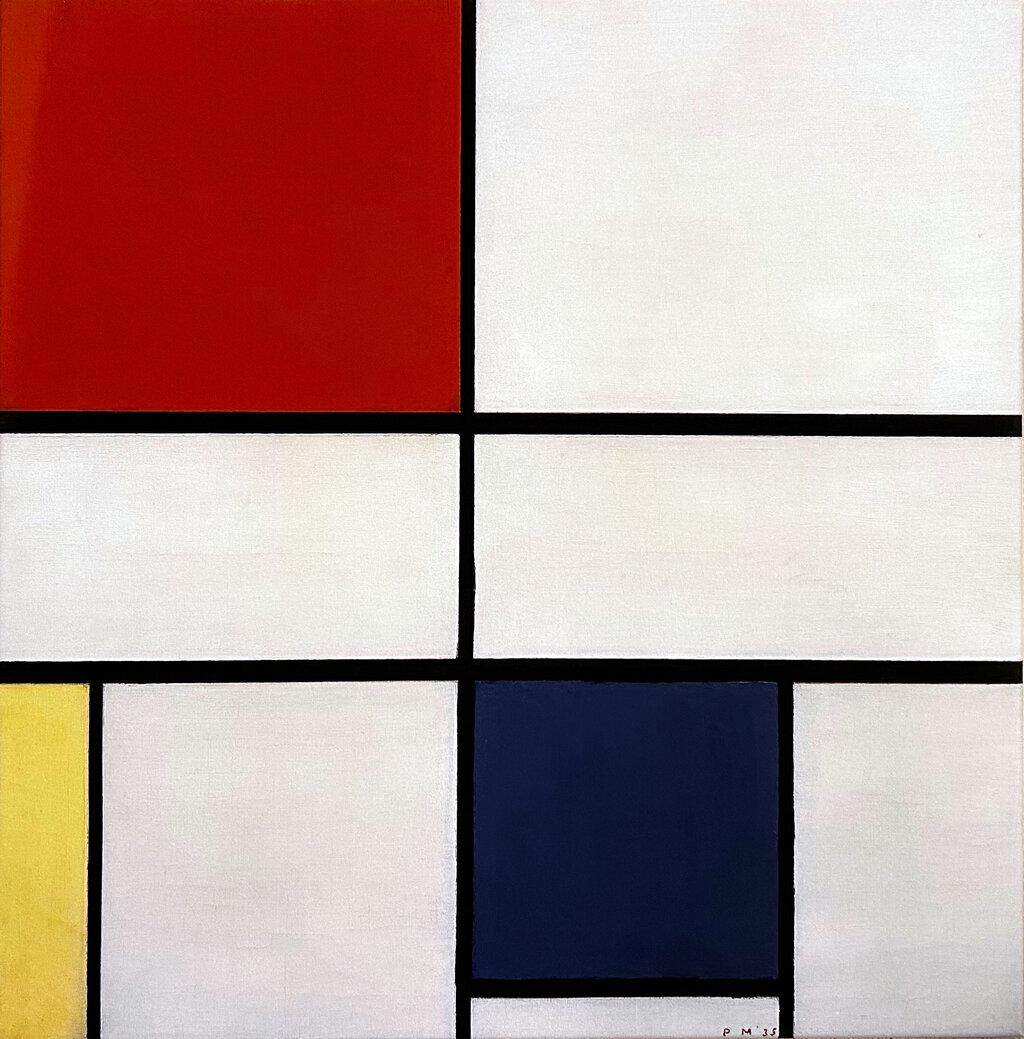
By mastering grid systems, you move from simply arranging elements to engineering a visual system. A well-designed grid provides order, clarity, and a professional foundation for any design. It guides the viewer, creates consistency, and provides the structure you need to be truly creative.
In a grid system, what is the term for the space between columns that provides breathing room for content?
Why is a 12-column grid a particularly popular choice for web design?