Graphic Design Fundamentals
Introduction to Graphic Design
What Is Graphic Design?
At its core, graphic design is visual communication. It’s the art of using text, images, and other visual elements to convey a message or solve a problem. Think about the apps on your phone, the cover of your favorite book, or the logo on a coffee cup. A graphic designer made conscious choices about every color, font, and layout to make you feel a certain way or take a specific action.
Graphic design is more than just making things look pretty.
The ultimate goal is to communicate clearly and effectively. A beautiful design that confuses its audience has failed. A simple, clear design that gets its message across is a success. This blend of art and strategy is what makes graphic design so powerful.
A Brief History
While the term "graphic design" is a 20th-century invention, the practice is as old as human communication. Early cave paintings, Egyptian hieroglyphs, and medieval illustrated manuscripts were all forms of visual storytelling.
The invention of the printing press in the 15th century was a major turning point. Suddenly, text and images could be mass-produced, leading to the creation of books, posters, and newspapers. This was the birth of mass communication, and it laid the groundwork for modern graphic design.
| Era | Key Development | Impact on Design |
|---|---|---|
| ~1440 | Printing Press | Mass production of text and images. |
| 1880s | Linotype Machine | Faster typesetting, fueling print media. |
| 1920s | Bauhaus Movement | Merged fine art with practical design. |
| 1950s | International Style | Clean, grid-based layouts (Swiss Style). |
| 1980s | Desktop Publishing | Computers made design accessible to all. |
| 1990s-Now | The Internet | Shift to web design, UI, and digital media. |
Each technological leap changed the tools designers used and the problems they solved, from arranging metal type by hand to designing interactive experiences for screens.
Design in the Real World
Graphic design is everywhere, shaping our experiences with brands, products, and information. It's a vast field with many specializations.
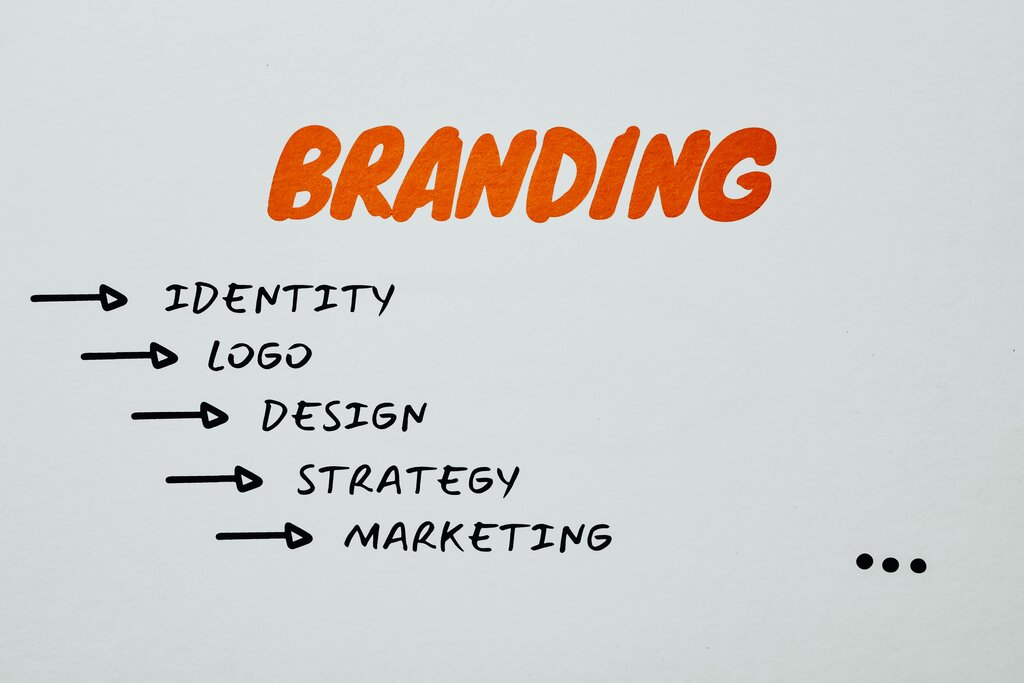
Here are just a few areas where graphic design plays a crucial role:
-
Branding & Identity: This involves creating a company's visual identity, including logos, color palettes, and typography. The goal is to create a consistent and memorable brand experience.
-
Marketing & Advertising: From social media graphics to billboards and brochures, designers create visuals that persuade, inform, and sell products or services.
-
Web & UI Design: User Interface (UI) designers focus on the look and layout of websites and apps. They ensure the interface is attractive, clear, and easy to navigate.
-
Packaging Design: The design of a product's packaging can be the deciding factor for a consumer in a store. It needs to be eye-catching, informative, and reflect the brand's personality.
-
Publication Design: This includes laying out magazines, newspapers, and books. It's all about creating a smooth and engaging reading experience.
Every industry needs visual communication, which means every industry needs graphic designers.
Now that you have a sense of what graphic design is and where it came from, let's test your understanding.
What is the primary goal of graphic design?
Which invention was a major turning point for graphic design, enabling the mass production of text and images?
Understanding these foundations is the first step. Next, we'll explore the core principles that guide every great design.